


In a revelation that underscores the Trump administration’s efforts to shape the narrative around the ongoing Iran war, Defense Secretary Pete Hegseth and political appointees at the Pentagon pushed for the two crew members of a downed F-15 fighter jet to participate in a highly publicized 60 Minutes interview about their dramatic rescue operation from Iran in April 2026.
The interview, which aired on Sunday, featured one of the airmen known only by the codename “Bravo” discussing his harrowing experience after being shot down over Iranian territory. According to multiple sources familiar with the matter, both crew members initially expressed reservations about participating in the segment, with one even raising concerns about potentially being ordered to take part.
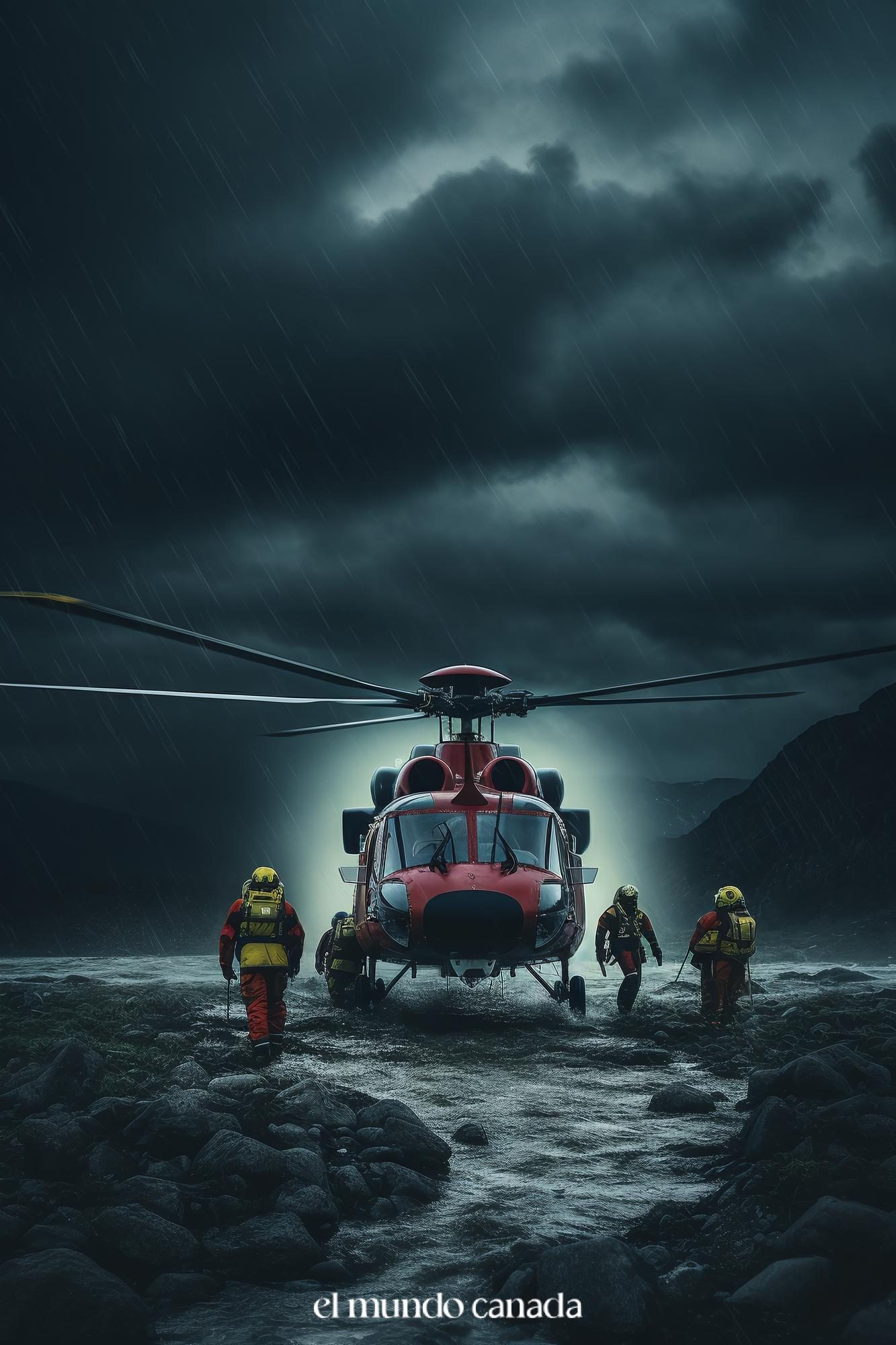
The rescue operation itself was nothing short of extraordinary. According to reports, one crew member evaded capture by encroaching Iranian forces for more than a day before being rescued. The wreckage of the downed F-15 was photographed by the Islamic Revolutionary Guard Corps on April 5, 2026, providing visual evidence of the incident that has since become central to discussions about the Iran conflict.
Pentagon Pressure and Media Controversy
Sources familiar with the production of the episode revealed that political appointees in Hegseth’s office were adamant that both crew members sit for interviews. However, after the two survivors voiced their concerns, Hegseth took an unusual step by meeting privately with them and asking whether they wanted to participate rather than forcing their cooperation.
The result was a compromise: “Bravo” agreed to sit for an on-camera interview and discuss his experience, while “Alpha” declined to take part in the 60 Minutes report. The Pentagon has not publicly identified either crew member, and their identities remain protected.
Chief Pentagon spokesperson Sean Parnell vehemently denied any wrongdoing in a statement responding to the reporting.
“This entire story is a complete lie. The decision to participate in the interview was each pilot’s alone — because it is their story.”
Parnell added that the Department of Defense took great care to ensure operational security, sources, and methods were protected throughout the interview process.
Hegseth’s Unusually Hands-On Approach
What makes this situation particularly notable is Hegseth’s level of personal involvement in the media planning process. According to sources, the Defense Secretary engaged in the planning process for the 60 Minutes interview far more than is typical for someone in his position.
This hands-on approach reflects the broader challenge facing the administration as the Iran war has become increasingly unpopular. The conflict has put significant pressure on Hegseth to demonstrate victories and successes to the American public. For those following how Trump administration policies affect international relations, this media strategy represents a significant shift in how military operations are communicated.
Military officials were also reportedly wary of revealing classified details of the rescue effort during the interview, adding another layer of tension to the production process. The balance between public relations and operational security has been a constant challenge throughout the Iran conflict.
Intense Media Competition for the Exclusive
The competition among major news outlets to secure interviews with the rescued pilots was fierce. Many organizations, including CNN, were eager to speak with the airmen earlier this year. At CBS, producer Keith Sharman, a 25-year veteran of 60 Minutes, reached out to longtime U.S. military contacts on the very day of the rescue to begin pursuing an interview.
The lobbying effort extended to the highest levels of CBS News. Editor in Chief Bari Weiss told journalists in her newsroom that booking the crew members was among the network’s “top priorities.” She personally lobbied Hegseth to give CBS exclusive access and also reached out to other Trump administration officials.
Hegseth and members of his staff were very enthusiastic about broadcasting a dramatic retelling of the incident with both crew members, according to three sources familiar with the production. However, the process took several months to complete.
CBS Internal Challenges and Production Delays
The path to airing the interview was complicated by internal turmoil at CBS. Producer Keith Sharman and correspondent Norah O’Donnell, who ultimately secured the interview, originally pitched the story for the previous season of 60 Minutes, which ended in May.
However, CBS became consumed by significant internal strife during this period. Bari Weiss forced out several 60 Minutes correspondents and producers and installed a new executive producer, Nick Bilton. This transition prompted weeks of critical news coverage about the network’s internal changes.
With Weiss and Bilton under pressure to prove that the new iteration of 60 Minutes would still deliver exclusive and impactful reports, the Iran rescue story took on even greater significance for the network. The segment represented an opportunity to demonstrate the program’s continued relevance and access to major stories.
Broader Implications for the Iran Conflict
This episode reveals important insights about how the Trump administration is managing public perception of the Iran war. The conflict’s growing unpopularity has created urgency around stories that showcase American military heroism and successful operations.
The rescue of the F-15 crew members represents exactly the kind of narrative the administration seeks to amplify: American service members demonstrating courage under fire and being brought home safely through dramatic military operations. For Canadians monitoring developments in the Middle East, understanding how the U.S. communicates about this conflict provides crucial context for evaluating regional stability.
The fact that one pilot evaded capture by Iranian forces for more than a day before being rescued adds a survival element to the story that resonates with audiences. Such accounts of individual heroism often prove more compelling to the public than broader strategic discussions about the war’s progress or objectives.
The Iran war continues to affect global trade dynamics and international relations, making stories about its conduct increasingly relevant to audiences beyond U.S. borders. Canadians with family members serving in allied forces or those concerned about regional stability have particular interest in understanding how the conflict is unfolding.
The next season of 60 Minutes will likely continue to feature coverage of the Iran conflict, and the administration’s willingness to engage directly with major media outlets suggests that such exclusive interviews may become more common as officials seek to shape public understanding of the war’s progress.
Why did the Pentagon push for the 60 Minutes interview?
The Pentagon and political appointees in Defense Secretary Hegseth’s office wanted to broadcast a dramatic retelling of the F-15 rescue operation as the Iran war has become increasingly unpopular, putting pressure on the administration to demonstrate successes.
Did both pilots participate in the interview?
No. After Hegseth met privately with both crew members and asked whether they wanted to participate, one pilot (“Bravo”) agreed to sit for an on-camera interview, while the other (“Alpha”) declined to participate in the 60 Minutes report.
How long did one pilot evade capture in Iran?
According to reports, one crew member evaded capture by encroaching Iranian forces for more than a day before being successfully rescued by U.S. military personnel.
When was the F-15 shot down over Iran?
The F-15 fighter jet was shot down over Iran in April 2026. Wreckage was photographed by the Islamic Revolutionary Guard Corps on April 5, 2026.
📘 Follow El Mundo Canada on our social networks: Facebook | Twitter | Instagram
The 60 Minutes interview with pilot “Bravo” aired on Sunday, providing viewers with the first detailed public account of the rescue operation. As the Iran conflict continues, additional media coverage of military operations and their outcomes is expected throughout the fall 2026 television season.
