


On September 12, 2026, new details emerged about how Defense Secretary Pete Hegseth and political appointees at the Pentagon actively pushed for the two crew members of an F-15 fighter jet shot down over Iran in April to participate in a highly publicized 60 Minutes interview about their dramatic rescue. The revelation raises questions about how the Trump administration is managing the narrative around the increasingly unpopular Iran conflict.
Iran Rescue Operation Details
The incident dates back to April 5, 2026, when an American F-15 was shot down over Iranian territory. Both crew members survived the crash, though one of them evaded capture by Iranian Revolutionary Guard forces for more than a day before being rescued.
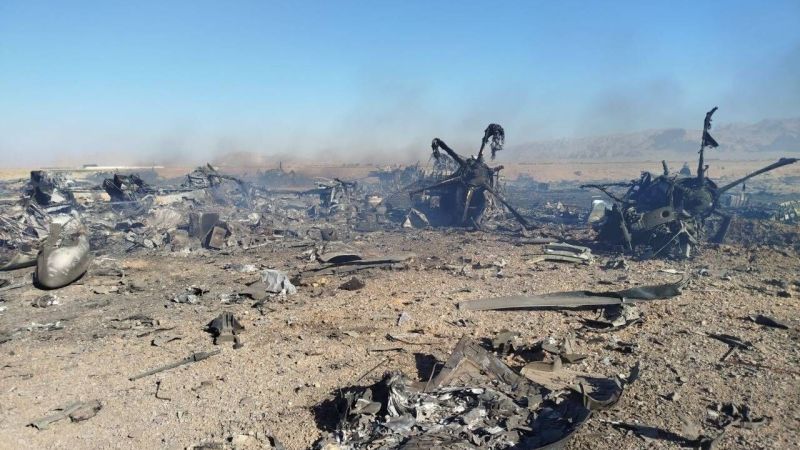
The rescue operation has been described as one of the most dramatic military extractions in recent years. Images of the wreckage released by the Islamic Revolutionary Guard Corps showed the destroyed fighter jet on Iranian soil, underscoring the high stakes of the operation.
Multiple sources familiar with the matter told reporters that both airmen initially expressed reservations about participating in the media interview. One crew member even raised concerns about potentially being ordered to take part in the segment.
Hegseth’s Direct Involvement in Media Strategy
What makes this situation particularly notable is the level of personal involvement from Secretary Hegseth himself. Sources indicate that political appointees in Hegseth’s office were adamant that both crew members sit for interviews with CBS News.
However, after the two survivors voiced their concerns, Hegseth reportedly met privately with them. During this meeting, he asked whether they wanted to participate rather than forcing their cooperation. This approach ultimately led to a split decision among the crew.
The pilot identified only as “Bravo” agreed to sit for an on-camera interview and discuss his experience. Meanwhile, his fellow crew member, referred to as “Alpha,” declined to participate in the 60 Minutes report. The Pentagon has not publicly identified either individual.
Pentagon Response to Controversy
Chief Pentagon spokesperson Sean Parnell forcefully denied the characterization of events when asked about the reporting.
“This entire story is a complete lie. The decision to participate in the interview was each pilot’s alone — because it is their story. As noted, one pilot decided to participate and one did not. Additionally, the Department took great care to ensure operational security, sources, and methods were protected. To suggest otherwise is to denigrate every member of our military who participated in and supported the interview.”
Military officials were also reportedly wary of revealing classified details of the rescue effort during any media appearance. This tension between the desire for positive publicity and operational security concerns appears to have complicated the production process.
Media Competition for Exclusive Access
The competition among major news outlets to secure interviews with the rescued pilots was intense. Multiple organizations, including CNN, pursued the story aggressively from the moment news of the rescue broke.
At CBS, veteran producer Keith Sharman, who has worked at 60 Minutes for 25 years, reached out to longtime US military contacts on the very day of the rescue to begin pursuing an interview. The effort quickly escalated to the highest levels of the network.
CBS News editor in chief Bari Weiss told journalists in her newsroom that booking the crew members was among the network’s “top priorities.” She personally lobbied Secretary Hegseth to give CBS exclusive access, according to three sources at the network. Weiss also reached out to other Trump administration officials as part of this effort.
CBS Internal Challenges Delayed Production
Despite the enthusiasm on both sides, the process of producing the segment took several months. Correspondent Norah O’Donnell, who ultimately secured the interview, and producer Sharman originally pitched the story for the previous season of 60 Minutes, which ended in May.
However, CBS was then consumed by significant internal strife. Weiss forced out several longtime 60 Minutes correspondents and producers and installed a new executive producer, Nick Bilton. This transition prompted weeks of critical news coverage focused on the changes at the legendary news program.
With both Weiss and Bilton under pressure to prove that the new iteration of 60 Minutes would still deliver exclusive and impactful reports, the Iran rescue story became even more valuable to the network’s leadership.
Implications for Iran War Narrative
The episode underscores how Hegseth’s office is working actively to craft the narrative around the Iran conflict, which sources describe as becoming increasingly unpopular. This has put pressure on the Defense Secretary to claim victory and demonstrate American military success.
The level of hands-on involvement from Hegseth himself is described as unusual for a Defense Secretary. Engaging directly in the planning process for a television interview goes far beyond what is typical for someone in his position.
For Canadians watching American foreign policy developments, understanding how the US government manages public perception of military operations provides important context for evaluating news coverage of the conflict.
What This Means for Observers
The Iran war has implications that extend beyond American borders. Canada’s Latin community, many of whom have family connections throughout the Americas, may have relatives serving in various military capacities or living in regions affected by Middle Eastern conflicts.
Understanding the media dynamics surrounding military operations helps news consumers evaluate the information they receive. When government officials actively push for specific coverage, it raises questions about the completeness and objectivity of the resulting reports.
The fact that one pilot chose to participate while the other declined demonstrates that military personnel maintained some agency in this situation, despite the pressure from political appointees.
Frequently Asked Questions
When was the F-15 shot down over Iran?
The F-15 fighter jet was shot down over Iran on April 5, 2026. Both crew members survived, with one evading capture for more than a day before being rescued.
Did the Pentagon force the pilots to participate in the 60 Minutes interview?
According to sources, Secretary Hegseth met privately with the crew members and asked whether they wanted to participate rather than forcing their cooperation. One pilot agreed to the interview while the other declined.
Why did the 60 Minutes segment take several months to produce?
The production was delayed in part due to internal changes at CBS, where editor in chief Bari Weiss forced out several 60 Minutes correspondents and producers and installed a new executive producer.
The 60 Minutes report featuring the interview with the pilot known as “Bravo” is scheduled to air on Sunday, September 13, 2026. Viewers interested in the full account of the rescue operation can tune in to CBS for the exclusive interview that took months of negotiation and internal Pentagon discussions to produce.
📘 Follow El Mundo Canada on our social networks: Facebook | Twitter | Instagram
