


On September 14, 2026, Iran’s Islamic Revolutionary Guard Corps announced it destroyed an advanced American MQ-1 drone over the Strait of Hormuz, marking the latest escalation in the seven-month conflict between Tehran and Washington. The incident comes as diplomatic efforts to stabilize the critical waterway have stalled, with a key meeting between Gulf nations and Iran postponed indefinitely.
Iran Destroys American Drone Over Strategic Waterway
The Iranian military confirmed that its “new advanced aerospace defence system” intercepted and destroyed the MQ-1 drone, manufactured by American defense company General Atomics. The drone has historically been operated primarily by the U.S. Air Force and the CIA.
Iranian authorities did not provide further details about the drone’s mission at the time of interception. This incident follows a series of Iranian operations against U.S. unmanned naval systems in the Gulf region.
The conflict, now in its seventh month, has shown few signs of abating. Tensions remain high as both nations continue to trade warnings and conduct military strikes without any meaningful path toward de-escalation.
Trump Threatens to Seize Iranian Oil Like Venezuela Deal
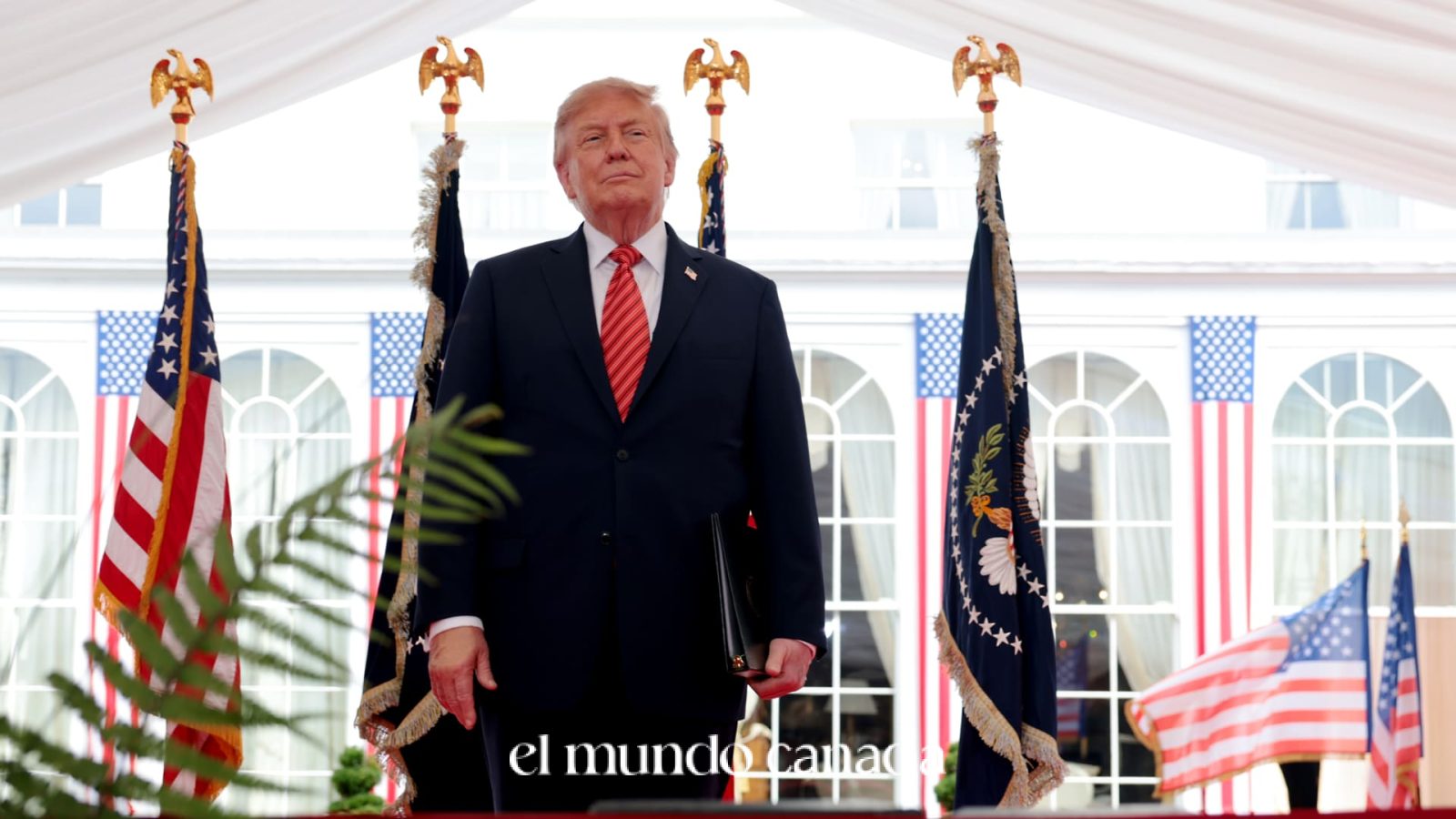
Speaking at the Irish Open golf championship in Ireland on September 13, 2026, President Donald Trump suggested the United States could take control of Iran’s oil resources. He drew a direct comparison to the recent arrangement Washington struck with Venezuela.
“We’ll ultimately get out (of the war), unless we decide to stay and keep the oil like Venezuela.”
Trump claimed that U.S. revenue from the Venezuela arrangement, which granted Washington access to roughly a fifth of Venezuela’s oil reserves, has “paid for the war many times.” The president’s comments signal a potential long-term American presence in the region tied to energy resources.
The Venezuela Oil Deal Sets Controversial Precedent
Under the agreement reached in August 2026, Venezuela ceded majority U.S. control of more than 65 billion barrels of oil reserves. This figure represents more than double America’s own domestic reserves, making it a historically significant energy acquisition.
In exchange, Venezuela received $209 billion to its state treasury. Secretary of State Marco Rubio stated the deal would also bring close to $100 billion in private investment to reinvigorate Venezuela’s struggling economy.
Trump’s suggestion that a similar arrangement could be applied to Iran raises serious questions about the administration’s ultimate objectives in the ongoing conflict. Energy analysts are watching closely to see how this rhetoric translates into actual policy.
Gulf-Iran Hormuz Talks Postponed Indefinitely
A critical meeting scheduled in Oman between Gulf countries and Iran to discuss possible agreements on the Strait of Hormuz has been postponed. Omani Foreign Minister Badr Albusaidi announced the delay on social media on September 13, 2026, citing the need for “consensus” among participating nations.
Officials from Iran and Gulf nations had been expected to meet on September 14 and sign an agreement establishing an Iran-Oman shipping route through the Strait of Hormuz. However, no direct talks between the U.S. and Iran were ongoing at the time of the postponement.
The Strait of Hormuz remains one of the world’s most critical waterways for global oil and gas flows. Its stability directly affects energy prices worldwide, including fuel costs for Canadian consumers and businesses.
Naval Blockade Keeps Global Energy Prices Elevated
The Strait of Hormuz has been subjected to an Iranian and later U.S. naval blockade since the war broke out in February 2026. This ongoing maritime standoff has kept global energy prices elevated for months, affecting economies around the world.
A June 2026 accord between Washington and Tehran faltered due to disagreements over the strategic artery. The breakdown in negotiations has prolonged uncertainty in global oil markets.
Adding complexity to the situation, a blistering offensive in recent days by Yemen’s Houthi rebels has given the Tehran-allied group leverage over a second critical waterway, the Bab el-Mandeb strait. This development threatens to further disrupt global shipping routes.
Ongoing Military Operations in the Gulf
Ships deemed non-compliant with blockade rules are regularly targeted by Iranian strikes. Meanwhile, the United States periodically bombs the Iranian coastline to contest Tehran’s control of the waterway.
The cycle of attacks and counterattacks has created a volatile environment for international shipping. Commercial vessels face increasing risks navigating through the region, driving up insurance costs and shipping rates globally.
For Canadians, these developments translate into continued pressure on fuel prices and potential disruptions to imported goods that rely on Middle Eastern shipping routes.
Trump Predicts War Could End After Midterm Elections
President Trump expressed optimism that the seven-month Iran conflict could end before the close of 2026. He suggested resolution might come after the November midterm elections in the United States.
Trump insisted that gasoline prices would “drop like a rock” once the conflict concludes. He also claimed that Tehran has been “calling constantly” for peace talks, though Iran has previously dismissed such assertions.
The president emphasized he would only accept the “right deal,” signaling that negotiations, if they occur, could be protracted. His comments about potential oil seizure suggest economic considerations will play a central role in any peace agreement.
What This Means for Canada’s Latin Community
The ongoing Iran-US conflict has direct implications for Canadians, particularly those with family connections to energy-producing Latin American nations like Venezuela. The Venezuela oil deal referenced by Trump has already reshaped that country’s economic landscape.
Rising global energy prices affect everyday costs in Canada, from heating bills to transportation expenses. Latin American communities across Canada should monitor these developments, as they could influence both local economic conditions and family situations in home countries.
Canadian businesses with ties to international trade may also face supply chain challenges as shipping routes through the Strait of Hormuz and Bab el-Mandeb remain contested.
Why is the Strait of Hormuz so important for global oil prices?
The Strait of Hormuz is a vital waterway for global oil and gas flows. Since February 2026, it has been subjected to naval blockades by both Iran and the United States, keeping global energy prices elevated and affecting fuel costs worldwide.
What was the Venezuela oil deal Trump referenced?
Under an agreement reached in August 2026, Venezuela ceded majority U.S. control of more than 65 billion barrels of oil reserves in exchange for $209 billion to Venezuela’s state treasury, plus close to $100 billion in expected private investment.
When could the Iran-US conflict end?
President Trump stated he expects the seven-month Iran war to end in 2026, possibly after the November midterm elections. He claimed gasoline prices would drop significantly once a resolution is reached.
The postponed Oman meeting between Gulf nations and Iran had been scheduled for September 14, 2026. No new date has been announced, and observers expect diplomatic efforts to remain stalled until participating nations reach the consensus that Omani Foreign Minister Albusaidi cited as necessary for progress.
📘 Follow El Mundo Canada on our social networks: Facebook | Twitter | Instagram
