


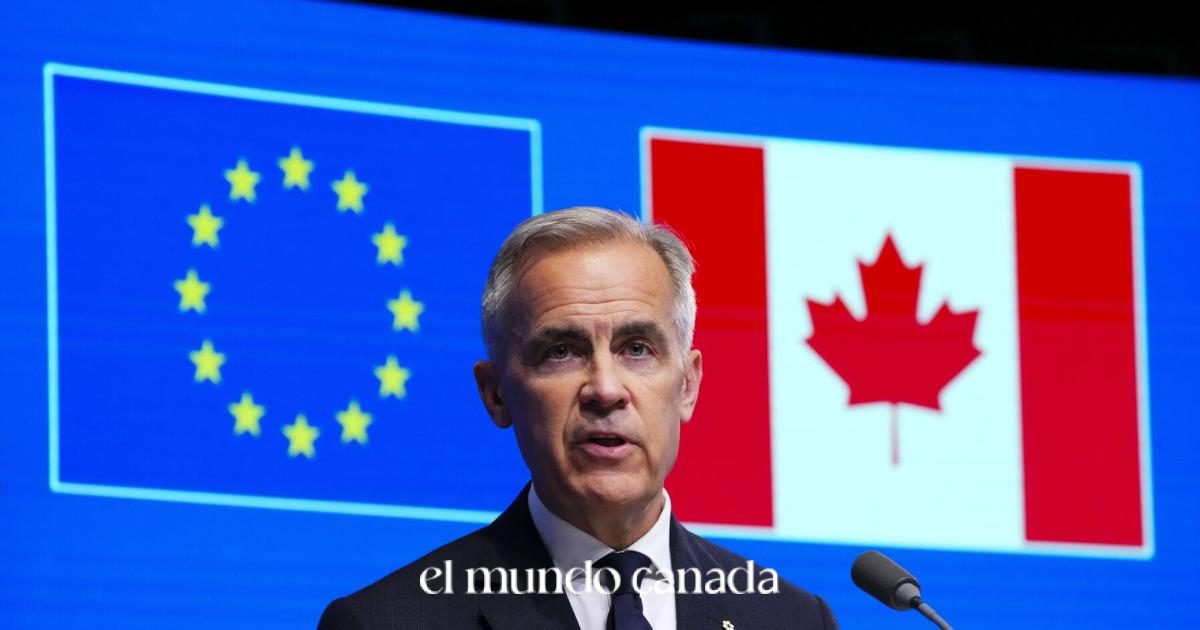
Prime Minister Mark Carney announced on September 15, 2026, that the federal government will allow private investment in the operation of Canada’s four largest airports, including Toronto Pearson, the country’s busiest hub. This landmark decision marks a significant departure from the decades-long arrangement where non-profit organizations managed these critical transportation facilities, signaling what Carney described as a “fundamental shift” in how Canada attracts investment capital.
The announcement came during a wide-ranging address at a two-day investment summit in Toronto, where the Prime Minister outlined his government’s vision for boosting infrastructure spending and economic growth. The plan encompasses airports in Toronto, Calgary, Vancouver, and Montreal, with the government retaining ownership of the underlying land and assets while selling long-term concessions to private firms.
What Airport Privatization Means for Travelers
Under the new airport privatization framework, the Canadian government will maintain ownership of airport land and core assets while bringing in private capital and expertise to manage operations. Prime Minister Carney emphasized his intention to “unlock their true value” by introducing new investment and operational knowledge into these major transportation hubs.
The government plans to use proceeds from selling these airport concessions to fund critical infrastructure projects across the country. These include investments in regional airports, local transportation infrastructure, and a new “broadband backbone” for internet connections across Canada and to Asia and Europe.
Carney promised improvements to the passenger experience and noted that Canada can learn from airport privatization experiences in other countries.
“We’re getting the benefit of being late to this, if you will, because we’ve seen transactions that don’t work well, that don’t take all those stakeholders into account, and others that do.”
The $36 Billion Tax Deduction Plan
Alongside the airport privatization announcement, Carney unveiled a significant new fiscal policy. Companies will be able to access faster tax deductions for a broader range of investments in infrastructure, research, and other ventures. This initiative carries an expected cost to the federal government of $36 billion over five years.
This tax incentive program represents a major commitment to stimulating private sector investment in Canada’s economy. The combination of airport privatization and accelerated tax deductions forms the core of the government’s strategy to attract both domestic and international capital. For those following Canada’s broader economic landscape and bond yields, these policy shifts represent significant market developments.
Major institutional investors have already shown interest in the airport investment opportunity. The Canada Pension Plan Investment Board expressed early support for the idea of opening Canadian airports to private investment, suggesting strong demand from large-scale financial players.
Opposition and Labor Concerns Mount
The airport privatization plan has drawn sharp criticism from opposition parties and labor organizations. NDP Leader Avi Lewis called the move a “terrible idea” that would lead to higher costs and job losses for Canadian workers.
“Private equity moguls and fund managers love it! Once they’re in, they own a piece of a natural monopoly and they print money for decades. This is a mistake we do not need to make.”
Unionized labor groups have also voiced objections to the plan, concerned about potential impacts on airport workers and service quality. The Canadian Labour Congress has been monitoring the situation closely as details of the privatization framework emerge.
Read more: Alberta Rainbow Crosswalk: Human Rights Hearing
Jon Shell, chair of Social Capital Partners, offered a cautionary perspective on the privatization plan. He suggested it makes more sense for the government to simply borrow money to finance infrastructure projects rather than sell stakes in major Canadian airports.
“If handled wrong it could be the thing that reverses the trust people have in (Carney) today.”
Lessons from International Airport Privatization
Shell pointed specifically to Australia, where critics of airport privatization cite higher fees for travelers and airlines. He warned against any move that could allow investors to drive up prices to boost their profits, potentially harming Canadian consumers.
Some experts have questioned why Canada would change its current arrangement for major airports, which has been in place since the early 1990s. Under the existing system, non-profit organizations reinvest proceeds raised from operations directly into the facilities themselves, creating a self-sustaining improvement cycle.
The debate over airport privatization touches on broader questions about public infrastructure management and the role of private capital in essential services. Canada’s four largest airports serve as critical economic engines for their respective regions, handling millions of passengers annually and supporting extensive employment networks.
What This Means for the Latin Community in Canada
For Latin American communities across Canada, airport privatization could have significant implications for travel costs and connectivity to Latin America. Toronto Pearson, Vancouver International, Calgary International, and Montreal-Trudeau airports serve as primary gateways for flights to Mexico, Central America, South America, and the Caribbean.
The potential for higher airport fees could translate into increased ticket prices for routes connecting Canada to Latin American destinations. Families maintaining connections with relatives abroad and business travelers operating across borders could face elevated travel expenses if private operators prioritize profit margins.
However, Carney’s promise to improve the passenger experience and invest in new broadband infrastructure connecting Canada to international markets could also benefit communities that rely on strong telecommunications links for business and personal connections across the Americas.
The investment summit announcement also signals the government’s broader economic direction, with implications for employment, business investment, and infrastructure development that affect communities nationwide.
Will airport privatization increase ticket prices?
Critics point to Australia’s experience with airport privatization, where higher fees have been reported. Jon Shell of Social Capital Partners warned that private investors could drive up prices to boost profits. The government has not provided specific guarantees about fare controls.
Which airports are affected by this privatization plan?
The federal government’s plan covers Canada’s four largest airports: Toronto Pearson International Airport, Vancouver International Airport, Calgary International Airport, and Montreal-Trudeau International Airport.
What happens to airport workers under privatization?
NDP Leader Avi Lewis and unionized labor groups have expressed concerns about potential job losses under private management. The government has not yet detailed specific worker protections in the privatization framework.
How will the $36 billion tax program work?
Companies will receive faster tax deductions for investments in infrastructure, research, and other ventures. The program is expected to cost the federal government $36 billion over five years and aims to stimulate private sector investment.
When will airport privatization take effect?
The federal government announced it intends to sell long-term concessions to private firms but has not specified an exact timeline for implementation. Prime Minister Carney indicated he wants to hear from investors about how to grow these airports.
📘 Follow El Mundo Canada on our social networks: Facebook | Twitter | Instagram
The Canada Investment Summit in Toronto continues through September 14, 2026, where additional details about the airport privatization framework and infrastructure investment plans are expected to be discussed with Canadian business leaders and international investors.
Follow El Mundo Canadá on social media for the latest updates on Canadian politics and policies affecting the Latin community: Facebook: El Mundo Canadá | Instagram: @elmundocanada | X: @elmundocanada
