


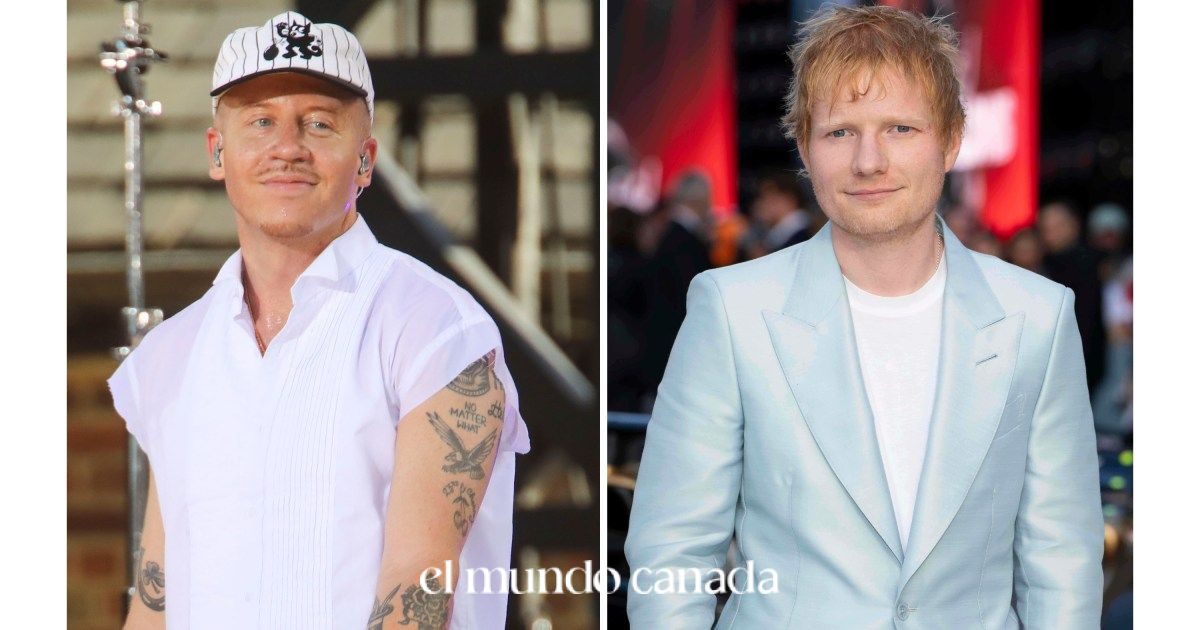
All supporting acts for Ed Sheeran’s upcoming US Loop Tour have withdrawn from the concert series in solidarity with rapper Macklemore, who was dropped from the tour for expressing pro-Palestine views during a performance. The mass exodus includes prominent names like Finneas, Aaron Rowe, Beoga, and Lukas Graham, marking one of the most significant artist boycotts in recent concert tour history.
The controversy erupted after Macklemore, whose real name is Ben Haggerty, said “Free Palestine” and made other pro-Palestine comments during a performance at MetLife Stadium in New Jersey earlier this month. His removal from the tour came partly under pressure from Robert Kraft, the billionaire owner of Gillette Stadium in Foxborough, Massachusetts.
Sheeran Responds to Controversy
On Tuesday, Ed Sheeran addressed the situation publicly, placing blame on the tour’s US promoter for the decision to remove Macklemore. The English pop star attempted to distance himself from the controversial move while acknowledging the complex dynamics at play.
“I was informed that this stance was based on how Macklemore conveyed part of this message during his performance, rather than on everything that was said. I spoke with the venues at length all week to try and build a bridge.”
Despite Sheeran’s attempts at mediation, the damage was already done. Within hours of his announcement, multiple artists who were scheduled to perform as supporting acts made their own declarations, choosing solidarity with Macklemore over their lucrative tour positions.
Finneas Withdraws From Tour
Finneas O’Connell, the acclaimed US singer-songwriter and brother of multi-Grammy and Academy Award-winning pop singer Billie Eilish, was among the first to announce his withdrawal. He had been scheduled to open for Sheeran in several American cities during the tour.
The siblings have previously spoken about their Irish family roots and have been outspoken supporters of Palestine. Finneas made his position clear on Instagram on Tuesday, stating that artistic expression on humanitarian issues should not be suppressed.
“Artists must not be silenced when they speak up for the oppressed. I stand with Palestine and its people.”
His decision represents a significant financial sacrifice, as opening for a stadium tour of Sheeran’s magnitude typically generates substantial revenue and exposure for supporting acts. The move signals a growing willingness among artists to prioritize political principles over commercial opportunities.
Irish Artists Cite Historical Parallels
Several Irish artists have withdrawn from the tour, explicitly citing their country’s historical experience of suffering under occupation as the reason for their opposition to Israel’s occupation of Palestinian territories. This connection between Irish history and the Palestinian struggle has resonated deeply within Ireland’s artistic community.
Aaron Rowe, an Irish singer who performed as part of Sheeran’s Australian leg of the tour earlier this year and was scheduled for 10 more dates in the US, announced his withdrawal despite his personal connection to the headliner.
“I don’t take the decision lightly. Ed has been a friend to me and has changed my life, I could never thank him enough for this. But as Irish people, we know all too well about genocide, forced famine and violent occupation. I cannot stand by and allow billionaires to use their position of power to silence the rightful voices of those who speak up against Israeli genocide and who highlight the savage murder of children. I would lose all respect for myself to carry on as normal.”
His statement directly addressed the role of wealthy venue owners in pressuring artistic decisions, highlighting concerns about corporate influence over free expression in the entertainment industry. The reference to Ireland’s own history of famine and occupation under British rule has sparked wider discussions about historical solidarity movements.
Read more: US Celebrities Support Canada: 8 Stars Speak Out
Beoga Quits Despite Close Ties
Beoga, a traditional Irish band that serves as Sheeran’s backing band, made perhaps the most consequential departure. Their withdrawal affects the musical foundation of the performances themselves, not just the opening acts. On Tuesday, the group announced on Instagram that they would quit the US leg of the tour.
The band stated they were leaving “following the silencing of Macklemore by zionist lobbies.” They acknowledged the unexpected trajectory their career had taken, noting they never anticipated playing in stadiums of such magnitude when they started as a traditional Irish band.
Lukas Graham, the Danish pop band known for hits like “7 Years,” also announced their withdrawal from the tour. Their departure adds an international dimension to the protest, showing that concern over the issue extends beyond Irish and American artists.
Tour Faces Uncertain Future
The US Loop Tour is scheduled to begin on September 19 in Philadelphia, with Sheeran set to kick off his North American tour at Lincoln Financial Field on Saturday. With all supporting acts now withdrawn, organizers face the significant challenge of restructuring the entire tour lineup with just days to spare.
The situation highlights the growing intersection of entertainment and political activism, particularly regarding the Israeli-Palestinian conflict. Artists increasingly face pressure from both pro-Israel and pro-Palestine supporters, with venues and promoters caught in the middle of these competing interests.
The role of Robert Kraft, whose ownership of Gillette Stadium reportedly influenced the decision to remove Macklemore, has drawn scrutiny. His position as a pro-Israel billionaire venue owner raises questions about the power dynamics between artists, venues, and political interests in the modern concert industry.
For fans who purchased tickets expecting to see the full lineup of performers, the mass withdrawal creates uncertainty about the concert experience they will receive. Whether Sheeran will find replacement acts or proceed with a modified show format remains unclear.
The controversy also resonates with audiences following how US celebrities have taken public stances on international issues, reflecting a broader trend of artists using their platforms for political expression regardless of commercial consequences.
Why was Macklemore dropped from Ed Sheeran’s tour?
Macklemore was removed from the US Loop Tour after saying “Free Palestine” and making other pro-Palestine comments during a performance at MetLife Stadium in New Jersey. The decision came partly under pressure from Robert Kraft, the billionaire owner of Gillette Stadium.
Which artists have quit Ed Sheeran’s tour?
All supporting acts have withdrawn, including Finneas (US singer-songwriter), Aaron Rowe (Irish singer), Beoga (Irish band and Sheeran’s backing band), and Lukas Graham (Danish pop band). They announced their decisions on Tuesday via social media.
When does Ed Sheeran’s US Loop Tour begin?
The tour is scheduled to begin on September 19 in Philadelphia at Lincoln Financial Field. Despite the withdrawal of all supporting acts, Sheeran is expected to proceed with the tour dates.
Why are Irish artists particularly involved in this protest?
Irish artists have cited their country’s historical experience of suffering under occupation, including genocide, forced famine, and violent occupation, as reasons for their solidarity with Palestine and opposition to Israel’s occupation of Palestinian territories.
What did Ed Sheeran say about Macklemore being dropped?
Sheeran blamed the tour’s US promoter for the decision and stated he attempted to mediate with venues. He said he was informed the decision was based on how Macklemore conveyed his message during the performance rather than the content of what was said.
📘 Follow El Mundo Canada on our social networks: Facebook | Twitter | Instagram
The Ed Sheeran US Loop Tour is set to commence at Lincoln Financial Field in Philadelphia on Saturday, September 19, 2026, where fans will discover firsthand how the production adapts to the unprecedented departure of its entire supporting cast.
