


The U.S. House of Representatives cleared a sweeping Russia sanctions bill on September 16, 2026, granting President Donald Trump authority to impose tariffs of up to 100% on countries purchasing Russian oil. This significant development places China and India directly in the crosshairs of potential American trade retaliation, with major implications for global energy markets and international diplomacy.
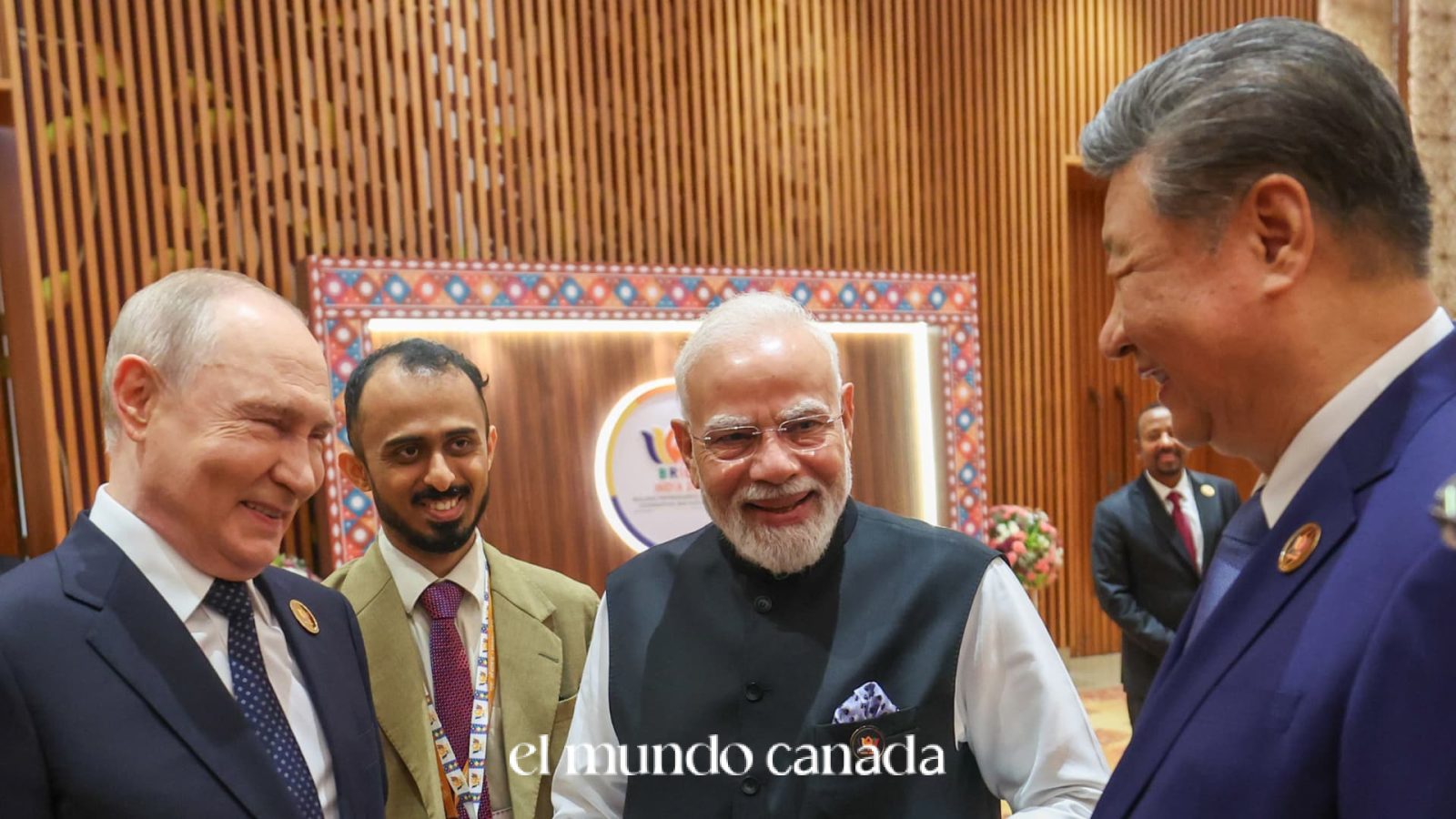
The legislation comes just days after the BRICS Summit in New Delhi, where Russian President Vladimir Putin met with leaders from China, India, and other Global South nations. During that gathering held on September 12, 2026, participants condemned unilateral economic sanctions and secondary sanctions without explicitly naming the United States.
China and India’s Russian Oil Dependence
According to the Center for Research on Energy and Clean Air (CREA), China purchased half of Russia’s crude exports as of the end of August 2026. India followed as the second-largest buyer, accounting for 37% of Russian crude exports. Turkey and the European Union each purchased approximately 5% of Russian oil exports during the same period.
The Trump tariff authority represents a powerful new tool in Washington’s economic arsenal. Both Asian giants have significantly increased their purchases of discounted Russian crude since the Ukraine war began in 2022. The ongoing Iran crisis has further squeezed global energy supplies, making Russian oil even more attractive to major importers.
Following the Hormuz crisis, the combined share of Russian oil imports by India and China increased to one-third from one-fifth of total Russian exports, according to energy intelligence firm Kpler. This dramatic shift underscores how dependent these nations have become on Russian energy supplies.
Replacement Challenges for Major Buyers
Energy analysts warn that finding alternative supplies would prove extremely difficult for both countries. Under current market conditions, replacing 3.5 million barrels per day of Russian seaborne supply would be extraordinarily challenging for China and India combined.
“It would be extremely challenging for both countries to replace 3.5 million barrels per day of Russian seaborne supply, in addition to the roughly 600,000 bpd China imports via pipeline.”
China imports an additional 600,000 barrels per day of Russian oil through pipelines, further complicating any potential transition away from Russian energy sources. These infrastructure connections represent long-term investments that cannot easily be redirected.
Strategic Leverage for Washington
Experts suggest that neither India nor China is expected to voluntarily reduce Russian oil purchases. However, the new tariff authority provides Washington with significant diplomatic leverage when dealing with both New Delhi and Beijing on various trade and security matters.
“President Trump will sign this law and hold its tariff authority in reserve as an instrument of leverage.”
The timing of this legislation carries significant political weight. According to Desai, nearly a dozen House Republicans privately urged leadership to strip the tariff provisions from the bill, fearing that resulting price increases could hurt the party ahead of midterm elections.
Ongoing Trade Negotiations Context
India is currently negotiating a comprehensive trade deal with the United States. New Delhi has been pressing Washington for preferential tariff rates compared to its competitors, making the new sanctions authority a potential complicating factor in these discussions.
Meanwhile, Chinese President Xi Jinping is scheduled to meet with President Trump later this month. Analysts suggest Washington is unlikely to raise tensions before this crucial summit by immediately implementing the new tariff authority.
All five top purchasers of Russian energy will be closely monitoring developments regarding this legislation.
“The new statutory authority could give Trump the power to strike hard and quickly at any time for any reason.”
China’s Expected Response to Potential Tariffs
China specialists anticipate that Beijing would resist any American pressure to reduce Russian oil purchases. Martin Chorzempa, Senior Fellow at the Peterson Institute for International Economics, noted that Beijing’s tendency to push back against Washington’s sanctions would limit the effectiveness of Trump’s tariff threats.
Should the administration actually implement tariffs under this new authority, China would almost certainly retaliate with its own trade measures, potentially escalating tensions between the world’s two largest economies.
Dan Wang, China Director at Eurasia Group, expects Beijing to defy any restrictions and continue importing Russian energy to prioritize national energy security. According to Wang, any meaningful pullback in Russian oil and gas imports could damage China’s energy security, which is considered politically unacceptable by Chinese leadership.
Implications for Canadians and Global Markets
For Canadians, particularly those in the Latin community with business ties to international trade, these developments carry significant implications. Canada’s energy sector could benefit from increased demand if major buyers seek alternatives to Russian crude.
Global oil prices may experience volatility as markets assess the likelihood of actual tariff implementation. Canadian consumers could see fluctuations in gasoline and heating costs depending on how this geopolitical chess match unfolds.
Trade professionals and businesses with exposure to China and India should monitor these developments closely. Supply chain disruptions and retaliatory measures could affect various sectors beyond energy, including manufacturing and agriculture.
Diplomatic Summit Scheduled
The upcoming meeting between President Trump and President Xi Jinping later in September will be crucial for determining how Washington chooses to wield its new tariff authority. Analysts suggest the administration will likely hold the tariff power in reserve rather than implementing it immediately.
The legislation gives Trump maximum flexibility to use the threat of 100% tariffs as a negotiating tool across multiple diplomatic fronts simultaneously. Both India’s trade deal negotiations and China relations could be influenced by this new leverage.
Can Trump actually impose 100% tariffs on Russian oil buyers?
Yes, the U.S. House passed legislation on September 16, 2026, granting President Trump authority to impose tariffs up to 100% on countries that are top purchasers of Russian energy, including China and India.
Which countries buy the most Russian oil?
According to the Center for Research on Energy and Clean Air, China purchases half of Russia’s crude exports, India buys 37%, while Turkey and the European Union each account for approximately 5%.
Will China and India stop buying Russian oil?
Experts do not expect either country to voluntarily reduce Russian oil purchases. Energy security concerns make such reductions politically unacceptable for both nations, though the tariff threat gives Washington diplomatic leverage.
The Trump-Xi summit scheduled for later in September 2026 will serve as the first major test of how this new tariff authority shapes international diplomacy. Markets and governments worldwide will be watching closely to see whether Washington deploys this powerful new trade weapon or holds it in reserve for future negotiations.
