


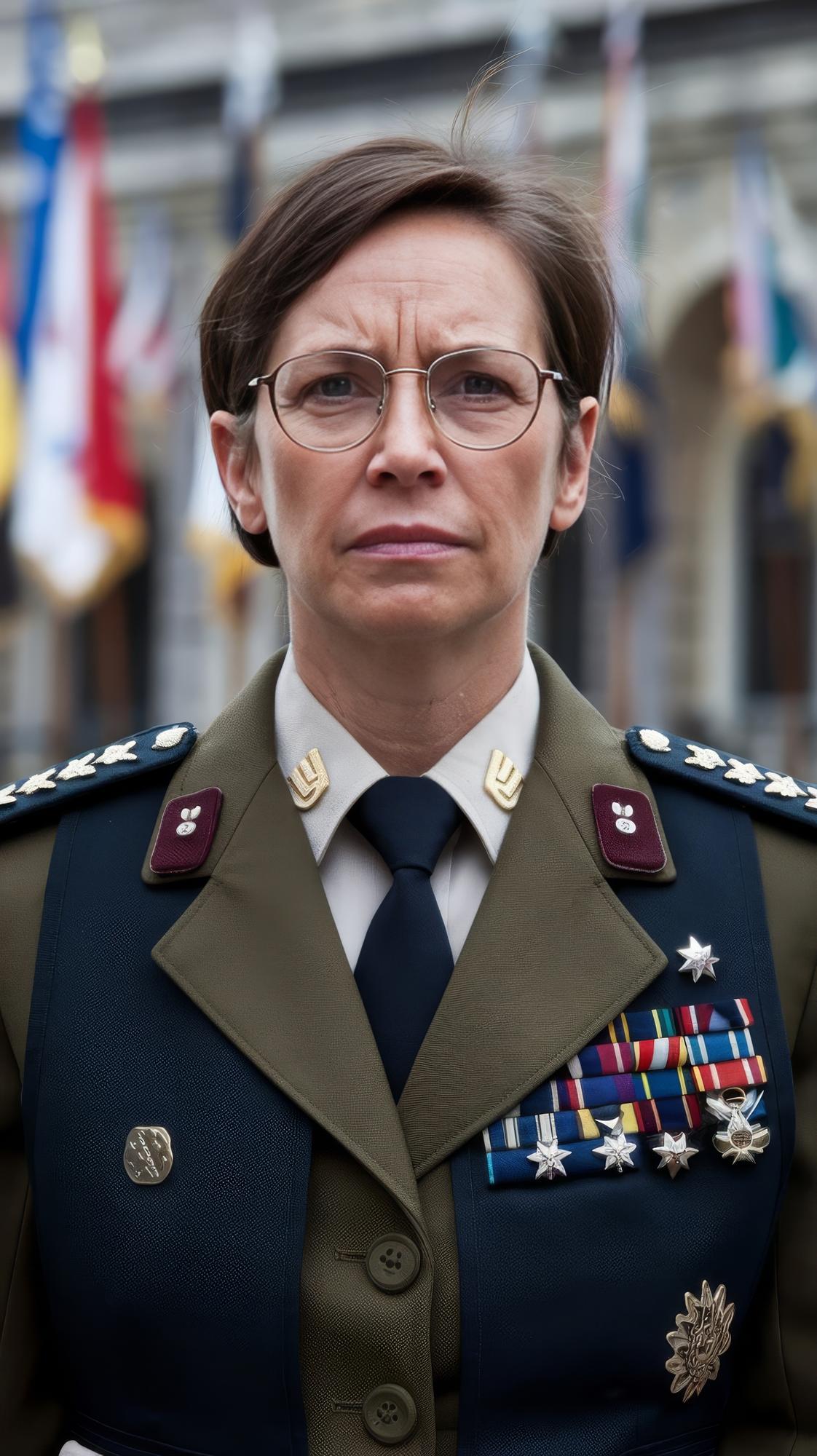
Tensions between Canada and the United States over NATO leadership have emerged as a significant diplomatic challenge, with reports indicating that a Canadian general nominated by Prime Minister Justin Trudeau faces substantial obstacles tied to the Trump administration. The situation highlights ongoing friction within the North Atlantic Treaty Organization regarding military appointments and alliance coordination between the two neighboring nations.
The development comes at a critical time for NATO as the alliance continues to navigate complex geopolitical challenges, including maintaining unity among member states while addressing varying levels of defense spending commitments. Canada’s position within the alliance has been a topic of discussion, particularly regarding its contributions to collective defense efforts and military leadership roles within the organization’s command structure.
Canada’s Role in NATO Alliance
Canada has been a founding member of NATO since 1949, contributing military personnel, equipment, and strategic resources to alliance operations across the globe. The country maintains a significant presence in NATO missions, including operations in Eastern Europe and various training initiatives designed to strengthen collective defense capabilities among member nations.
The Canadian Armed Forces have participated in numerous NATO deployments over the decades, establishing a reputation for professionalism and commitment to alliance objectives. However, questions about Canada’s defense spending relative to the NATO target of 2% of GDP have persisted, creating occasional friction with allies who argue for increased financial contributions from all member states.
Military leadership positions within NATO require consensus among member nations, making the appointment process inherently political. When a major ally like the United States raises concerns about a candidate, it can significantly complicate or delay the nomination process, requiring diplomatic negotiations to resolve differences.
U.S.-Canada Defense Relations Under Scrutiny
The relationship between Washington and Ottawa on defense matters has experienced fluctuations over recent years, with various policy disagreements affecting bilateral cooperation. Trade disputes, border security concerns, and differing approaches to international commitments have all contributed to periods of tension between the two neighbors who share the world’s longest undefended border.
Despite these challenges, Canada and the United States maintain extensive defense cooperation through agreements like NORAD (North American Aerospace Defense Command), which coordinates continental air defense operations. This partnership represents one of the most integrated bilateral defense relationships in the world, demonstrating that disagreements in one area do not necessarily undermine broader security collaboration.
For Latin American communities in Canada, developments in U.S.-Canada relations carry particular significance. Many families maintain connections across the border, and policy shifts affecting the bilateral relationship can impact travel, trade, and economic opportunities. Understanding these diplomatic dynamics helps community members anticipate potential changes that might affect their daily lives. Those interested in how Canadian political leaders navigate challenging situations can find additional context in recent domestic political developments.
Trump Administration’s NATO Approach
The Trump administration has consistently emphasized burden-sharing among NATO allies, pressing member nations to meet or exceed the 2% GDP defense spending target. This position has created friction with several allies, including Canada, whose defense budget has historically fallen below this threshold despite periodic increases in military investment.
President Trump’s approach to alliance management has differed significantly from previous administrations, featuring more direct criticism of allies perceived as not contributing their fair share to collective defense. This stance has reshaped diplomatic interactions within NATO, requiring member nations to adapt their engagement strategies accordingly.
The specific concerns raised about the Canadian general’s nomination remain subject to diplomatic discussions, but they reflect broader themes in U.S. foreign policy regarding allied contributions and military leadership selection. Such disputes, while challenging, are not unprecedented within NATO’s history of navigating diverse national interests.
Read more: Toronto Police Officer Linked to Shooter-for-Hire Attacks
Implications for Canadian Military Leadership
The situation facing Trudeau’s nominated general illustrates the complex intersection of military professionalism and international politics within alliance structures. Canadian military officers serving in NATO positions must navigate not only operational requirements but also the diplomatic sensitivities of working within a multinational command structure.
For Canada’s defense establishment, securing high-profile NATO positions represents both a practical contribution to alliance capabilities and a symbol of the country’s commitment to collective security. When such appointments face obstacles, it can affect morale within the Canadian Armed Forces and raise questions about the country’s standing within the alliance.
The Canadian government has historically worked to maintain strong relationships with NATO partners while also asserting national interests in alliance decision-making. Balancing these priorities requires skilled diplomacy and a willingness to engage constructively even when disagreements arise with major allies.
Military families across Canada, including those from Latin American backgrounds who serve in the Canadian Armed Forces, watch these developments closely. Career advancement opportunities for Canadian personnel within NATO structures depend partly on the broader diplomatic relationship between member nations.
Future of NATO-Canada Cooperation
Despite current challenges, the fundamental strategic alignment between Canada and its NATO allies remains strong. Shared values regarding democratic governance, human rights, and collective security continue to provide a foundation for cooperation even when specific issues create friction.
Canada’s geographic position, spanning from the Atlantic to the Pacific with extensive Arctic territory, gives the country unique strategic significance within the alliance. NATO planning increasingly considers Arctic security challenges, potentially enhancing Canada’s importance in alliance discussions and military operations.
Investments in Canadian defense capabilities, including naval modernization and aircraft procurement programs, signal long-term commitment to alliance contributions regardless of short-term diplomatic disagreements. These procurement decisions typically span multiple government administrations, providing continuity in Canada’s military capacity.
For community members interested in understanding how government policies develop, exploring resources like guidance on navigating Canadian federal and provincial systems can provide helpful context for understanding bureaucratic processes more broadly.
The NATO alliance has weathered numerous internal disputes throughout its 75-year history, demonstrating resilience in maintaining collective defense commitments despite member disagreements. The current situation regarding Canada’s general nomination represents another chapter in this ongoing process of alliance management and adaptation.
Looking ahead, diplomatic efforts between Ottawa and Washington will likely continue as both governments seek to resolve differences while maintaining the broader strategic partnership. The outcome of these discussions will influence not only the specific appointment in question but also the tone of U.S.-Canada defense relations in the coming years. The next NATO summit, scheduled for 2027, will provide an important forum for addressing alliance priorities and potentially resolving outstanding bilateral issues between member nations.
What is NATO and why does Canada participate?
NATO (North Atlantic Treaty Organization) is a military alliance of 32 member countries committed to collective defense. Canada has been a founding member since 1949, contributing troops, equipment, and leadership to alliance operations worldwide.
How does U.S. policy affect NATO appointments?
Major NATO appointments typically require consensus among member nations. When the United States raises concerns about a candidate, it can delay or block appointments, requiring diplomatic negotiations to resolve differences between allies.
What is the NATO defense spending target?
NATO members have agreed to spend at least 2% of their GDP on defense. Canada has historically fallen below this target, which has been a point of discussion with allies, particularly the United States.
How might this affect Latin American communities in Canada?
Developments in U.S.-Canada relations can impact border policies, trade relationships, and economic opportunities. Military families from Latin American backgrounds serving in the Canadian Armed Forces may also be affected by career advancement dynamics within NATO.
📘 Follow El Mundo Canada on our social networks: Facebook | Twitter | Instagram
Follow El Mundo Canada on social media for the latest updates on Canadian politics, international relations, and news affecting Latin American communities across the country.
