


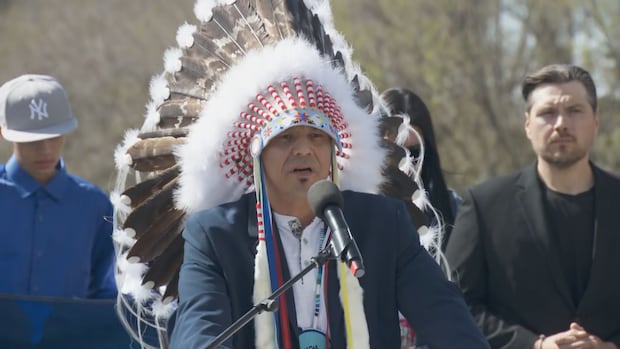
The Mikisew Cree First Nation lawsuit against Canada’s federal and provincial governments marks a significant escalation in the fight over Indigenous rights and resource development in northern Alberta. Filed in Federal Court, the legal action challenges decades of industrial approvals that the First Nation argues have devastated their traditional territories without proper consultation.
This landmark case puts the spotlight on the cumulative environmental impacts of oil sands development, logging operations, and other industrial projects near Wood Buffalo National Park. The Mikisew Cree assert that both Ottawa and Edmonton have systematically failed to protect their constitutionally guaranteed Treaty rights.
What the Lawsuit Claims
Breach of Treaty 8 Obligations
The Mikisew Cree First Nation, whose traditional territory spans the Athabasca region of northeastern Alberta, signed Treaty 8 in 1899. This historic agreement guaranteed their right to hunt, trap, and fish on their ancestral lands.
According to the lawsuit, successive Canadian governments have approved numerous industrial projects without adequately assessing how these developments collectively impact the First Nation’s ability to exercise these rights. The legal filing argues this represents a fundamental breach of the Crown’s constitutional duties.
Chief Billy-Joe Tuccaro emphasized that the community has witnessed dramatic changes to their homeland over several decades. The cumulative effects of oil sands mining, in-situ bitumen extraction, forestry operations, and infrastructure development have transformed landscapes that once supported traditional ways of life.
Failure to Consult and Accommodate
A central argument in the Mikisew Cree First Nation lawsuit focuses on the duty to consult. Canadian law requires governments to meaningfully engage with Indigenous communities before approving projects that may affect their rights.
The First Nation contends that consultation processes have been inadequate, fragmented, and often conducted on a project-by-project basis. This approach, they argue, fails to consider how multiple developments interact and compound environmental damage across their territory.
Environmental Concerns at the Heart of the Dispute
Cumulative Impacts on Traditional Lands
The Athabasca oil sands region hosts some of the world’s largest petroleum reserves. Industrial activity has transformed vast stretches of boreal forest into mining operations, tailings ponds, and processing facilities.
The Mikisew Cree point to several environmental consequences affecting their community:
- Declining wildlife populations, particularly caribou and moose
- Water quality degradation in the Athabasca River watershed
- Loss of access to traditional hunting and gathering areas
- Air quality concerns from industrial emissions
These changes have made it increasingly difficult for community members to practice traditional activities that form the foundation of their cultural identity and food security.
Connection to Wood Buffalo National Park
Wood Buffalo National Park, a UNESCO World Heritage Site straddling the Alberta-Northwest Territories border, sits within Mikisew Cree traditional territory. UNESCO has repeatedly expressed concerns about threats to the park’s ecological integrity from upstream industrial development.
The First Nation argues that governments have ignored warnings from international bodies and independent scientists about deteriorating environmental conditions. They seek court intervention to compel meaningful action.
Government Responses and Legal Implications
Federal and Provincial Positions
Neither the federal government nor the Alberta provincial government has filed formal responses to the lawsuit at this stage. Both levels of government typically maintain that their approval processes comply with legal requirements and include Indigenous consultation.
The case arrives amid heightened national attention on Indigenous rights litigation and reconciliation efforts. Recent Supreme Court of Canada decisions have strengthened requirements for Crown consultation, though debates continue about implementation.
Potential Precedent-Setting Outcomes
Legal experts suggest this lawsuit could establish important precedents for how courts evaluate cumulative environmental impacts on Indigenous rights. Most previous cases have examined individual projects rather than the collective effects of industrial development across entire territories.
A ruling in favor of the Mikisew Cree could require governments to fundamentally rethink how they assess and approve resource projects in regions with multiple overlapping developments. This would have significant implications for oil sands expansion and other major industrial initiatives.
Broader Context of Indigenous Legal Action
Rising Tide of Rights-Based Litigation
The Mikisew Cree First Nation lawsuit joins a growing number of legal challenges from Indigenous communities across Canada. First Nations increasingly turn to courts when they believe consultation processes have failed to protect their interests.
These cases often involve complex questions about balancing economic development with environmental protection and Indigenous rights. Courts must weigh competing interests while interpreting treaties signed over a century ago in modern contexts.
Reconciliation and Resource Development Tensions
Canada’s commitment to reconciliation with Indigenous peoples faces ongoing tests when resource projects promise economic benefits but threaten traditional territories. The Mikisew Cree case illustrates these tensions vividly.
The First Nation has stated they do not oppose all development but demand meaningful participation in decisions affecting their lands. They seek respect for their Treaty rights and genuine consideration of cumulative impacts before additional projects receive approval.
What Happens Next
Legal Timeline and Process
Federal Court proceedings typically unfold over many months or years. Both government defendants will file responses, and extensive document disclosure will likely follow. The case may eventually proceed to trial unless parties reach a settlement.
The Mikisew Cree have indicated their commitment to pursuing the matter through the courts if necessary. Community leaders view the lawsuit as essential to protecting future generations’ ability to maintain their cultural practices and connection to the land.
The Mikisew Cree First Nation lawsuit represents a critical test of Canada’s commitment to honoring Treaty obligations and protecting Indigenous rights amid ongoing resource development. As courts consider the cumulative impacts of industrial projects on traditional territories, this case could reshape how governments approach consultation and environmental assessment. The outcome will resonate far beyond northern Alberta, potentially influencing Indigenous rights and resource development policy nationwide.
