


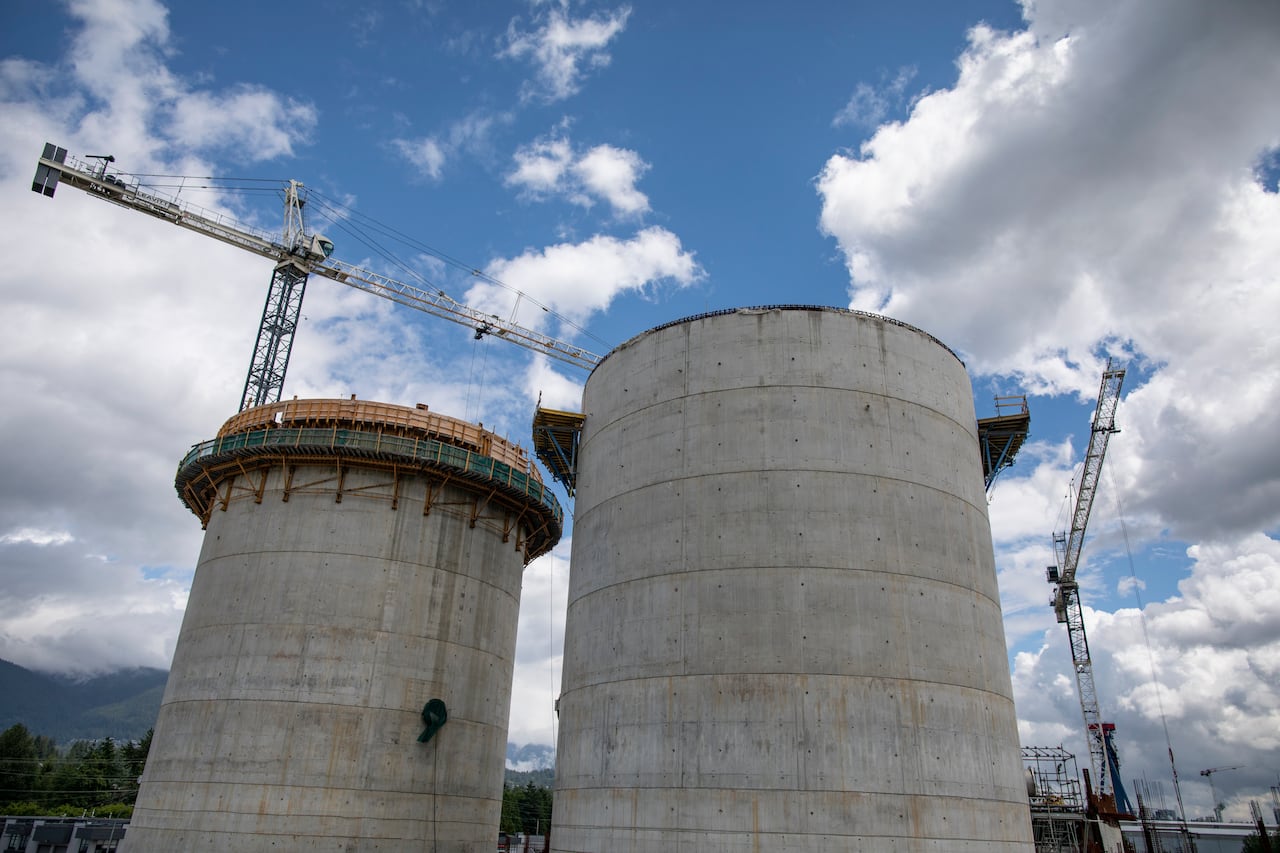
Metro Vancouver and Spanish construction giant Acciona have reached a confidential settlement to resolve years of bitter litigation over the troubled North Shore Wastewater Treatment Plant. The Metro Vancouver wastewater settlement brings an end to dueling lawsuits that sought more than $1 billion in combined damages, marking a significant turning point for one of the region’s most controversial infrastructure projects.
The agreement, announced this week, closes a contentious chapter that saw both parties trading accusations of mismanagement, design failures, and contract breaches. While the settlement terms remain undisclosed, the resolution allows the regional district to finally move forward with completing the massively over-budget facility.
The Troubled History Behind the Settlement
A Project Plagued by Problems
The North Shore Wastewater Treatment Plant has become synonymous with cost overruns and construction delays since its inception. Originally budgeted at approximately $700 million, the project’s costs have ballooned dramatically, with estimates now exceeding $4 billion — nearly six times the initial projection.
Construction began in 2017, but problems emerged almost immediately. The design-build contract awarded to Acciona Wastewater Solutions LP became the source of escalating disputes between the contractor and Metro Vancouver officials.
The treatment facility, located in North Vancouver, was intended to replace the aging Lions Gate Wastewater Treatment Plant. It represents a critical piece of infrastructure for the region’s sewage processing capacity.
Legal Battle Intensifies
The relationship between Metro Vancouver and Acciona deteriorated significantly by 2020. Metro Vancouver terminated its contract with Acciona in September 2020, citing alleged failures to meet construction milestones and quality standards.
Acciona fired back, claiming Metro Vancouver made unreasonable demands and interfered with construction progress. The Spanish company argued that design changes and site conditions contributed to delays beyond its control.
Breaking Down the Lawsuits
Metro Vancouver’s Claims
Metro Vancouver filed a lawsuit seeking approximately $400 million in damages from Acciona. The regional district alleged the contractor failed to deliver the project according to specifications and timelines outlined in the original agreement.
Key allegations included:
- Deficient construction work requiring extensive repairs
- Failure to meet contractual deadlines
- Quality control issues throughout the building process
- Breach of design-build contract obligations
The regional government maintained that Acciona’s performance fell far short of professional standards expected for a project of this magnitude.
Acciona’s Counterclaims
Acciona responded with its own lawsuit demanding over $600 million from Metro Vancouver. The construction company painted a different picture of events, positioning itself as a victim of unreasonable client expectations and scope changes.
The contractor’s primary arguments centered on:
- Alleged interference from Metro Vancouver officials
- Significant design modifications requested after work began
- Unforeseen site conditions affecting construction
- Improper contract termination
Both lawsuits were scheduled for trial proceedings that would have consumed significant time and resources from all parties involved.
What the Settlement Means for Taxpayers
Financial Implications Remain Unclear
The confidential nature of the Metro Vancouver wastewater settlement leaves taxpayers without clear answers about the financial outcome. Neither party disclosed whether money changed hands or how costs will ultimately be allocated.
Metro Vancouver Chair Mike Hurley acknowledged the settlement in a statement but provided limited details about specific terms. The regional district emphasized its commitment to completing the project and protecting ratepayer interests.
Industry observers note that confidential settlements in major infrastructure disputes often involve mutual concessions that neither party wishes to publicize.
Project Completion Timeline
With legal distractions now eliminated, Metro Vancouver can focus entirely on finishing the wastewater treatment facility. The regional district has engaged new contractors to complete remaining work on the plant.
Current projections suggest the facility could achieve operational status within the next few years, though officials have been cautious about committing to specific dates given the project’s troubled history.
Lessons for Future Infrastructure Projects
Accountability and Oversight Questions
The North Shore plant debacle has sparked broader conversations about how major public infrastructure projects are managed in British Columbia. Critics argue that better oversight mechanisms could have identified problems earlier and prevented cost escalations of this magnitude.
Some regional politicians have called for independent reviews of procurement processes and contract management practices. The goal is preventing similar situations from occurring with future large-scale projects.
Design-Build Contract Scrutiny
The dispute has also raised questions about design-build contracts for complex infrastructure work. This project delivery method places both design and construction responsibilities with a single contractor, theoretically streamlining the process.
However, when disputes arise, determining fault becomes complicated. Design-build arrangements can blur accountability lines, making it difficult to assign responsibility for problems that emerge during construction.
Regional Infrastructure Moving Forward
Wastewater Capacity Needs
Despite the controversy, the North Shore Wastewater Treatment Plant addresses genuine infrastructure needs for the region. Population growth across Metro Vancouver continues to strain existing sewage treatment capacity.
The new facility will serve approximately 180,000 residents in North Vancouver and portions of surrounding communities. Modern treatment technology will improve effluent quality discharged into Burrard Inlet.
Ratepayer Cost Recovery
Metro Vancouver residents will ultimately bear the financial burden of cost overruns through utility fees. The regional district has already implemented rate increases partially attributed to wastewater infrastructure investments.
Officials have indicated that spreading costs over long infrastructure lifecycles helps minimize immediate impacts on household budgets, though cumulative effects remain substantial.
The Metro Vancouver wastewater settlement with Acciona closes a difficult chapter but leaves important questions unanswered about accountability and cost management for major public projects. While both parties can now move forward without continued litigation expenses, taxpayers deserve transparency about how this settlement affects their long-term financial obligations. As the region completes this critical infrastructure, lessons learned should inform how future projects of this scale are planned, contracted, and supervised.
