


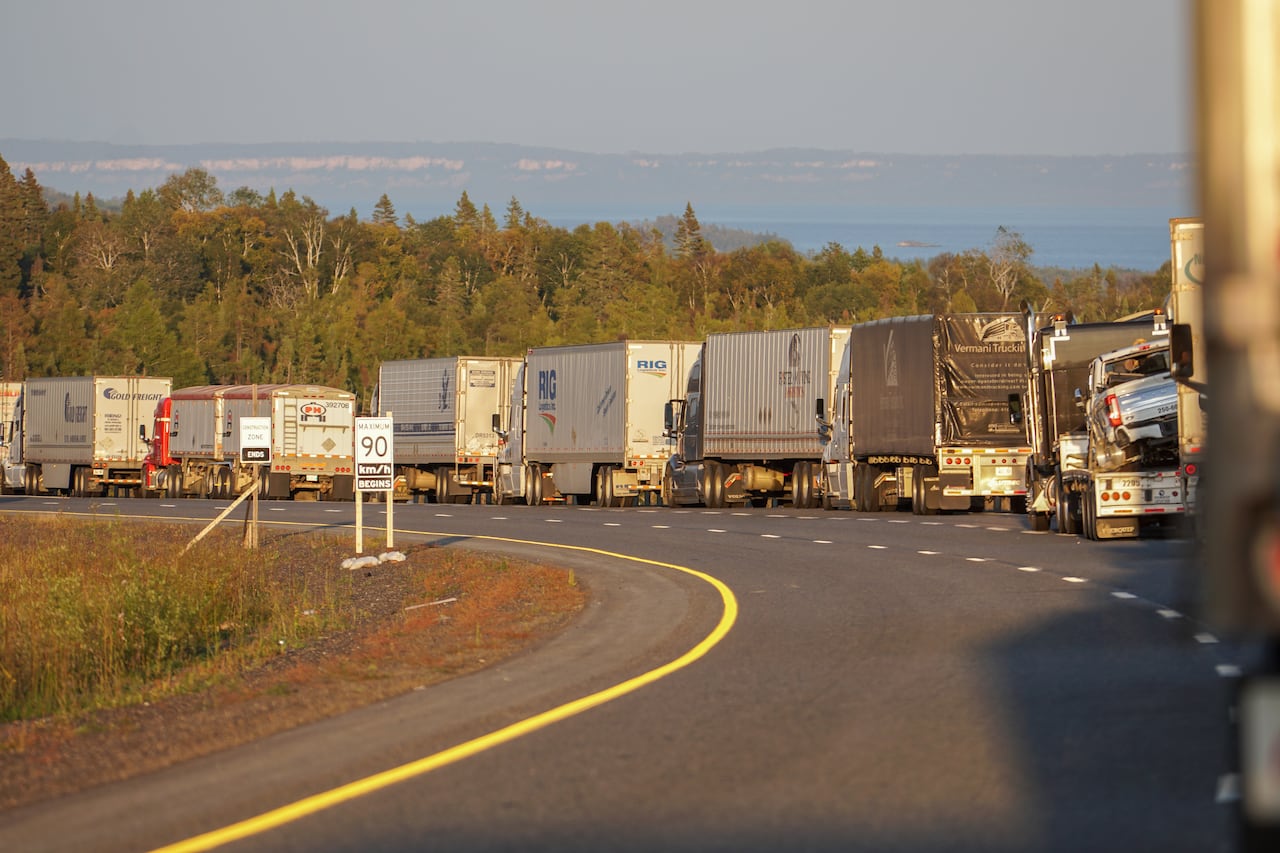
A scathing auditor general report has ignited fierce debate over Ontario truck driver safety, with Northern Ontario politicians demanding immediate action to protect both commercial drivers and the public. NDP MPP Lise Vaugeois declared that commercial truck drivers are being “set up for failure” under the current provincial oversight system, highlighting systemic failures that have allegedly allowed unsafe operators to remain on Ontario roads.
The report, released by Ontario’s Auditor General, reveals troubling gaps in how the province monitors and regulates the commercial trucking industry. For communities across Northern Ontario, where highways serve as critical lifelines for goods and services, these findings have sparked urgent calls for reform.
Auditor General Findings Reveal Systemic Failures
Oversight Gaps Put Public at Risk
The auditor general’s investigation uncovered significant deficiencies in Ontario’s commercial vehicle safety framework. According to the report, the Ministry of Transportation has failed to adequately monitor trucking companies and ensure compliance with safety regulations.
These oversight failures mean that potentially dangerous operators continue hauling freight across provincial highways. The audit found that inspection processes lack consistency and that follow-up enforcement remains inadequate.
Northern Ontario communities face particular vulnerability due to their reliance on long-haul trucking for essential supplies. The region’s harsh winter conditions and vast distances make proper vehicle maintenance and driver training even more critical.
Thunder Bay MPP Sounds the Alarm
“Set Up for Failure”
Lise Vaugeois, the NDP MPP representing Thunder Bay–Superior North, delivered a pointed critique of the provincial government’s handling of commercial trucking regulations. She argued that the current system creates impossible conditions for drivers trying to operate safely and legally.
“Commercial truck drivers are being set up for failure,” Vaugeois stated, emphasizing that systemic problems extend beyond individual operators to the regulatory framework itself.
The MPP pointed to inadequate training requirements, insufficient oversight of trucking companies, and a lack of resources for proper enforcement as contributing factors. She called on the provincial government to implement the auditor general’s recommendations without delay.
Industry Working Conditions Under Scrutiny
Vaugeois also highlighted concerns about working conditions within the trucking industry. Drivers often face pressure to meet unrealistic delivery schedules, potentially compromising safety protocols and rest requirements.
Truck driver working conditions in Ontario have drawn increasing attention following several high-profile incidents. Critics argue that deregulation and insufficient monitoring have created an environment where cost-cutting takes precedence over safety.
Northern Ontario Stakeholders Respond
Community Leaders Demand Action
Municipal officials and business leaders across Northern Ontario have joined the chorus demanding improved trucking safety measures. The region depends heavily on commercial freight transportation, making highway safety a paramount economic and social concern.
Local officials emphasized that Northern Ontario highways see significant heavy truck traffic year-round. Communities like Thunder Bay, Sudbury, and Sault Ste. Marie serve as major transportation hubs connecting eastern and western Canada.
The harsh climate conditions prevalent in the region amplify safety concerns. Winter driving on Northern Ontario highways requires properly maintained vehicles and well-trained operators—standards that the audit suggests are not being consistently met.
Trucking Industry Representatives Weigh In
Industry associations have offered mixed responses to the auditor general’s findings. While some representatives acknowledged room for improvement, others defended the majority of operators as safety-conscious professionals.
The Ontario trucking industry employs thousands of workers and represents a crucial component of the provincial economy. Representatives cautioned against broad characterizations while agreeing that bad actors should face consequences.
What the Report Recommends
Key Safety Improvements Proposed
The auditor general outlined several recommendations aimed at strengthening Ontario’s commercial vehicle safety regime. These include enhanced inspection protocols, improved tracking of repeat offenders, and better coordination between enforcement agencies.
The report also called for increased resources dedicated to roadside inspections and company audits. Currently, limited staffing means that many operators go years without meaningful oversight.
Additional recommendations focused on driver training standards and licensing requirements. The audit suggested that current certification processes may not adequately prepare new drivers for the demands of commercial trucking.
Implementation Timeline Remains Unclear
Despite the urgency expressed by Northern Ontario politicians, the provincial government has not committed to a specific timeline for implementing the recommendations. Opposition members have criticized this lack of concrete action.
Vaugeois and other NDP representatives have pledged to continue pressuring the government for accountability. They argue that delays in addressing identified problems put lives at risk on Ontario highways.
Broader Implications for Highway Safety
Provincial Transportation Policy at Crossroads
The auditor general’s report arrives amid broader debates about transportation policy in Ontario. Questions about infrastructure investment, environmental regulations, and economic development all intersect with commercial trucking oversight.
For Northern Ontario specifically, highway safety improvements represent both a public safety imperative and an economic necessity. Businesses depend on reliable freight transportation, while residents deserve safe travel conditions.
The controversy also highlights tensions between regulatory efficiency and thoroughness. Streamlining processes to support business growth must be balanced against robust safety standards.
Conclusion
The auditor general’s report has exposed serious deficiencies in Ontario’s commercial trucking oversight, prompting strong reactions from Northern Ontario representatives like Thunder Bay’s Lise Vaugeois. As debate continues over implementation timelines and resource allocation, the fundamental question remains whether provincial authorities will prioritize the systemic reforms needed to protect both truck drivers and the traveling public.
