


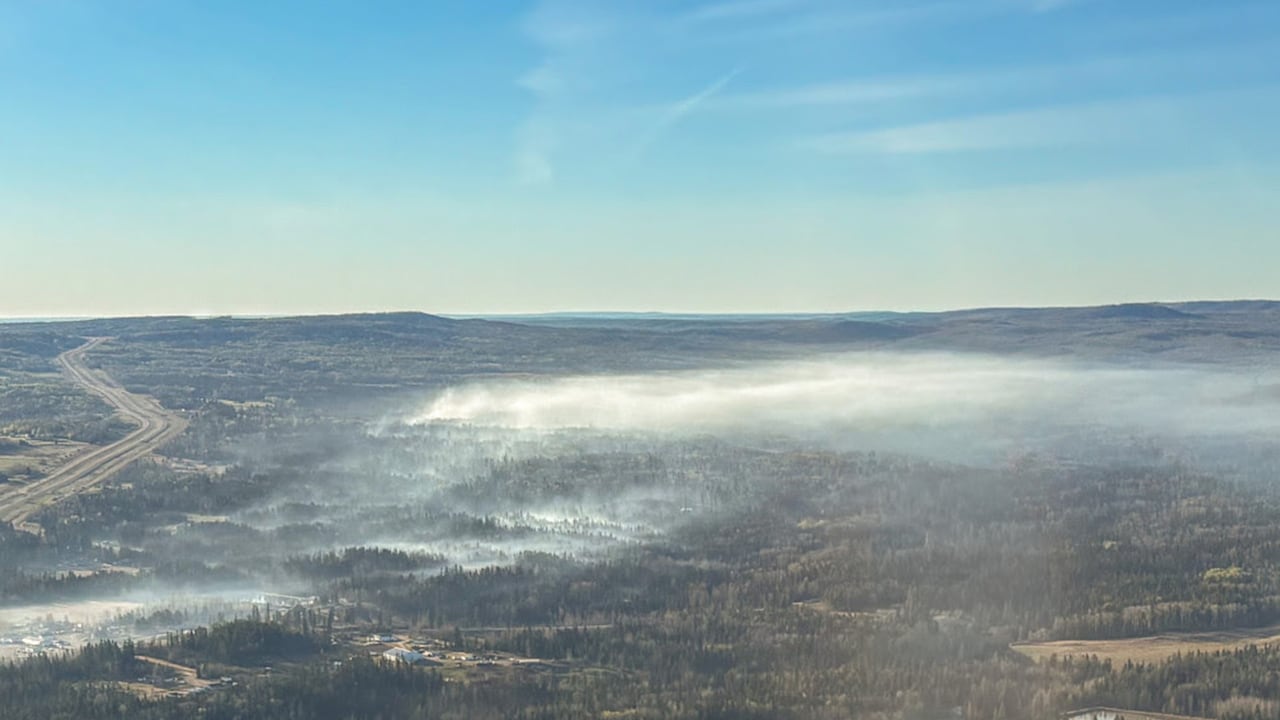
Rapidly Spreading Blaze Prompts Emergency Response in Northern Alberta
An out-of-control wildfire in northern Alberta has forced approximately 100 residents to flee their homes as firefighting crews battle the rapidly spreading blaze. The Alberta wildfire evacuation order came as flames threatened communities in the region, marking another challenging moment in what has become an increasingly active fire season across Western Canada.
Emergency management officials issued the evacuation notice after the wildfire grew beyond initial containment efforts. Residents in the affected area were given limited time to gather essential belongings before leaving their properties under mandatory evacuation protocols.
Current Fire Conditions and Spread
The wildfire continues to burn out of control, with crews working around the clock to establish containment lines. Dry conditions and shifting winds have complicated firefighting efforts, allowing the blaze to expand its footprint across the northern Alberta landscape.
Alberta Wildfire, the provincial agency responsible for managing forest fires, has deployed multiple resources to combat the flames. Ground crews, helicopters, and air tankers are actively engaged in suppression activities, though the fire’s aggressive behavior has made progress difficult.
Fire behavior analysts are monitoring weather patterns closely, as upcoming conditions will play a critical role in determining whether crews can gain the upper hand.
Evacuation Details and Emergency Shelters
Approximately 100 people have been displaced by the mandatory evacuation order. Local authorities have established emergency reception centers where evacuees can register, access essential services, and receive updates on the fire’s progression.
The evacuation process unfolded quickly, with emergency alert systems notifying residents of the immediate danger. First responders went door-to-door in some areas to ensure all residents received the evacuation notice and had transportation to safety.
Evacuees are being advised to:
- Register at designated reception centers
- Keep emergency contact information updated
- Monitor official channels for return-home announcements
- Avoid returning to evacuated areas until authorities lift restrictions
Impact on Local Communities
The forced evacuation has disrupted daily life for affected families, many of whom left with only essential items. Local community organizations and the Canadian Red Cross have mobilized to provide support services, including temporary shelter, food, and emotional assistance for those displaced by the fire.
Small businesses in the evacuation zone face uncertainty as the fire continues to burn. The economic impact on the region remains unclear, though officials emphasize that public safety takes priority over property concerns during active wildfire emergencies.
Schools in affected areas have suspended operations, and some regional roads remain closed to non-emergency traffic. Authorities urge motorists to avoid the area to keep evacuation routes clear for emergency vehicles and fleeing residents.
Wildfire Season Context in Alberta
This latest evacuation adds to a growing list of wildfire incidents across Alberta this season. Climate conditions, including below-average precipitation and above-normal temperatures, have created ideal conditions for fire ignition and spread throughout the province.
Alberta has experienced increasingly severe wildfire seasons in recent years. The 2023 season broke records across Canada, and experts warn that similar patterns could emerge if dry conditions persist.
Provincial firefighting resources have been stretched thin as multiple fires burn simultaneously across Alberta and neighboring provinces. Mutual aid agreements with other jurisdictions may be activated if the situation escalates further.
Safety Recommendations for Residents
Authorities are urging all residents in northern Alberta to remain vigilant and prepared for potential evacuation notices. Even those outside the current evacuation zone should take precautionary measures given the fire’s unpredictable behavior.
Emergency preparedness experts recommend having a go-bag ready with essential documents, medications, and supplies for at least 72 hours. Residents should also identify multiple evacuation routes from their properties and establish family communication plans.
Air quality in surrounding regions may deteriorate as smoke from the fire drifts across communities. Health officials advise residents, particularly those with respiratory conditions, to limit outdoor activities and keep windows closed when smoke is visible.
What Happens Next
Firefighting crews will continue suppression efforts throughout the coming days, with success largely dependent on weather conditions. A shift in wind direction or incoming precipitation could provide relief, while continued dry and windy conditions could worsen the situation.
Officials have not provided a timeline for when evacuees might return home. Damage assessments cannot begin until the fire is contained and the area is deemed safe for inspectors to enter.
Residents seeking information about the evacuation or fire status should contact local emergency management offices or visit official provincial wildfire tracking websites. Authorities emphasize the importance of relying on verified sources rather than social media speculation during rapidly evolving emergencies.
The Alberta wildfire evacuation affecting approximately 100 residents underscores the ongoing threat that wildfires pose to northern communities. As crews battle the out-of-control blaze, displaced families await word on when they can safely return home. Residents throughout the region should remain alert, stay informed through official channels, and ensure their emergency plans are current as wildfire season continues.
