


The electric vehicle revolution has officially entered its next phase. As thousands of leased EVs return to dealerships and early adopters upgrade to newer models, the used electric car market is booming with opportunity. But buying a used EV requires a different approach than shopping for a traditional gasoline vehicle.
Whether you’re looking to reduce your carbon footprint or simply save money on fuel, understanding how to evaluate a pre-owned electric vehicle can mean the difference between a smart investment and a costly mistake. Here’s everything you need to know before signing on the dotted line.
Why the Used EV Market Is Heating Up
The surge in available second-hand electric vehicles stems from several factors converging at once. Lease returns from the 2021-2022 EV boom are flooding dealership lots. Meanwhile, rapid technological advancements have prompted many first-generation owners to trade up for vehicles with longer range and faster charging capabilities.
This creates a buyer’s market. Prices for used EVs have dropped significantly over the past 18 months, making electric transportation accessible to drivers who previously couldn’t afford the premium price tags of new models.
However, depreciation in the EV market works differently than with conventional cars. Battery technology improvements mean older models may feel outdated faster, but they can still offer excellent value for budget-conscious buyers.
Understanding Battery Health: The Most Critical Factor
The battery pack represents the heart of any electric vehicle—and its most expensive component. When buying a used EV, assessing battery health should top your priority list.
Most electric vehicles display a state of health (SOH) reading that indicates remaining battery capacity compared to when the vehicle was new. A five-year-old EV with 85% SOH still retains most of its original range and likely has years of reliable service ahead.
Request the vehicle’s battery degradation data from the seller. Many manufacturers provide detailed battery reports through their dealership networks. Independent diagnostic tools can also read this information directly from the vehicle’s onboard systems.
Watch for warning signs: excessive range loss, unusually long charging times, or error messages related to the battery management system. These issues could indicate cells requiring replacement—a repair that can cost thousands of dollars.
Checking the Charging System and Port
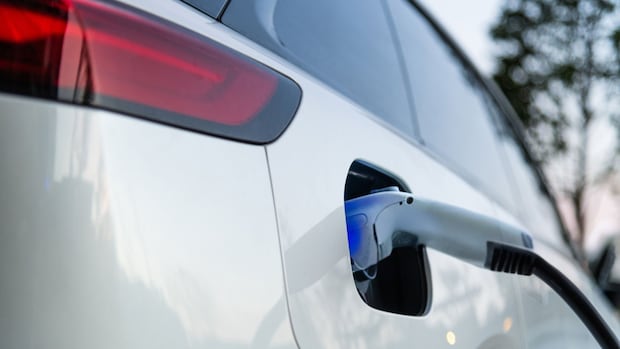
Beyond the battery itself, examine the vehicle’s charging infrastructure carefully. Inspect the charging port for physical damage, corrosion, or worn contacts. These components endure significant use and exposure to the elements.
Test both Level 1 (standard outlet) and Level 2 (240-volt) charging if possible. For vehicles equipped with DC fast charging capability, verify this feature works properly, as repairs to fast-charging systems can prove expensive.
Ask about the vehicle’s charging history. Frequent DC fast charging, while convenient, can accelerate battery degradation in some older EV models. Vehicles primarily charged at home using Level 2 stations typically experience less battery wear over time.
Evaluating Software and Technology Features
Electric vehicles rely heavily on software systems that may require updates or face obsolescence. Research whether the manufacturer still supports the model year you’re considering.
Some older EVs no longer receive over-the-air updates, which can affect everything from navigation maps to charging network compatibility. Connectivity features that worked at launch may no longer function if the manufacturer has discontinued support for that generation’s hardware.
Check whether the infotainment system connects to modern smartphones. Verify that the vehicle can communicate with current public charging networks. These seemingly minor details significantly impact daily usability.
Researching Warranty Coverage and Transfer Policies
EV warranties often differ substantially from traditional vehicle coverage. Many manufacturers offer separate warranties for the battery pack and electric drivetrain, sometimes extending to eight years or 100,000 miles.
Determine whether existing warranty coverage transfers to subsequent owners. Some brands limit transferability or require registration within a specific timeframe after purchase. Contact the manufacturer directly to confirm coverage status before finalizing any deal.
Consider purchasing extended warranty coverage for older EVs, particularly those approaching the end of their original battery warranty period. The peace of mind may justify the additional expense given potential repair costs.
Inspecting Regenerative Braking and Drivetrain Components
The regenerative braking system captures energy during deceleration and returns it to the battery. This feature reduces wear on traditional brake components, meaning many used EVs have surprisingly fresh brake pads and rotors.
However, inspect these parts regardless. Vehicles driven primarily on highways may show more traditional brake wear since regenerative braking works most effectively in stop-and-go conditions.
Electric motors themselves require minimal maintenance and rarely fail. Still, listen for unusual sounds during test drives—whining, grinding, or clicking could indicate bearing wear or other mechanical issues. Check for fluid leaks around the motor housing and inspect the cooling system that maintains optimal battery temperature.
Getting a Pre-Purchase Inspection from an EV Specialist
Standard mechanics may lack the training and equipment to properly evaluate electric vehicles. Seek out certified EV technicians or dealerships with dedicated electric vehicle service departments.
A comprehensive pre-purchase inspection should include diagnostic scans of all electronic systems, battery health assessment, charging system verification, and examination of the thermal management system. Expect to pay more than a standard vehicle inspection, but consider it insurance against expensive surprises.
Final Considerations Before You Buy
Research available federal and provincial incentives for used EV purchases. Some jurisdictions offer tax credits or rebates that apply to pre-owned electric vehicles meeting certain criteria.
Calculate your total cost of ownership, including electricity rates in your area, potential home charging installation costs, and insurance premiums. EVs typically cost less to operate than gasoline vehicles, but savings vary based on local energy prices and driving patterns.
The used EV market offers tremendous opportunity for buyers willing to do their homework. With careful evaluation of battery health, charging capabilities, and remaining warranty coverage, you can find an electric vehicle that delivers reliable, affordable transportation for years to come.
