


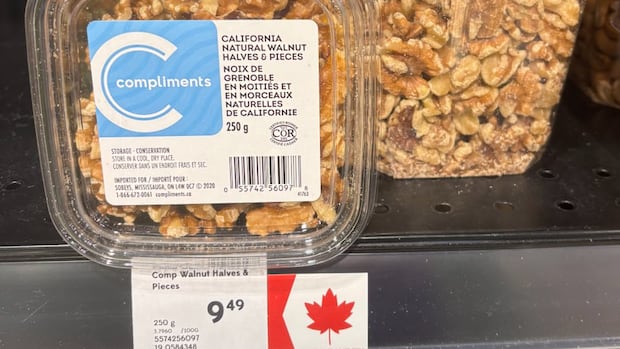
Canada’s largest grocery chains face mounting criticism over maple washing—a deceptive marketing practice that makes foreign products appear Canadian through strategic use of maple leaf symbols and red-and-white packaging. Sobeys has now quietly removed maple leaf imagery from store-brand products following an investigation that exposed widespread misleading labeling across major retailers.
The controversy highlights growing consumer frustration with grocery giants that capitalize on Canadian patriotism while sourcing products internationally. As food prices continue to strain household budgets, shoppers increasingly question whether the products they believe support local farmers and producers actually come from Canada at all.
What Is Maple Washing and Why Does It Matter?
Maple washing refers to the practice of using Canadian symbols, colors, and imagery on products that contain little to no Canadian content. The term draws parallels to greenwashing, where companies falsely market products as environmentally friendly.
Grocery retailers have long understood that Canadian consumers prefer to buy local. Research consistently shows shoppers will pay premium prices for products they believe support Canadian farmers, workers, and communities.
This preference creates a powerful financial incentive for retailers to blur the lines between genuinely Canadian products and imports dressed in patriotic packaging. The maple leaf—one of the world’s most recognizable national symbols—becomes a marketing tool rather than a meaningful indicator of origin.
CBC Investigation Reveals Extent of Deceptive Labeling
A comprehensive CBC investigation uncovered numerous examples of misleading product labeling at both Sobeys and Loblaw stores across Canada. Products bearing prominent maple leaf symbols, Canadian flag colors, and phrases suggesting domestic origin frequently contained ingredients sourced entirely from other countries.
The investigation documented store-brand items featuring maple leaves on packaging despite being manufactured abroad or containing primarily imported ingredients. In many cases, only fine print revealed the true country of origin, while front-of-package design strongly implied Canadian production.
Consumer advocacy groups have long warned about these practices, but the investigation brought renewed attention to the scope of the problem.
Canadians deserve to know where their food actually comes from, consumer advocates argue. The deceptive practices undermine trust in grocery retailers and disadvantage genuinely Canadian producers competing against cheaper imports.
Sobeys Responds by Removing Maple Leaf Symbols
Following public pressure and media scrutiny, Sobeys announced changes to its store-brand packaging. The grocery giant confirmed it would remove maple leaf imagery from products that don’t meet standards for Canadian content.
The company’s decision represents a significant acknowledgment of the maple washing problem, though critics argue the move comes too late and doesn’t go far enough. Sobeys operates hundreds of stores across Canada under various banners, including Safeway, FreshCo, and IGA.
The retailer has not disclosed how many products will require repackaging or provided a specific timeline for completing the changes. Industry observers note that redesigning packaging for potentially hundreds of products represents a substantial undertaking.
Loblaw Faces Similar Scrutiny Over Canadian Branding
Canada’s largest grocery retailer, Loblaw Companies Limited, faces parallel accusations of maple washing across its extensive portfolio of store brands. The company operates under numerous banners, including Loblaws, No Frills, Real Canadian Superstore, and Shoppers Drug Mart.
Loblaw’s President’s Choice and No Name brands feature prominently in the investigation’s findings. Products marketed with Canadian imagery frequently failed to contain predominantly Canadian ingredients or undergo Canadian manufacturing.
The company has defended its labeling practices while acknowledging room for improvement. Loblaw controls approximately one-third of Canada’s grocery market, making its practices particularly influential in shaping industry standards.
Consumer complaints about misleading labeling have increased substantially over the past year, coinciding with heightened awareness of grocery pricing practices and corporate profits.
Current Canadian Labeling Laws Leave Gaps
Existing Canadian food labeling regulations contain significant loopholes that enable maple washing practices. The Product of Canada designation requires that 98% of ingredients originate domestically, but other claims face less stringent requirements.
Products labeled Made in Canada need only undergo final processing domestically, regardless of ingredient origins. This distinction confuses consumers who reasonably assume both labels indicate similar Canadian content.
The Canadian Food Inspection Agency enforces labeling requirements, but critics argue current rules fail to address sophisticated marketing techniques that mislead consumers without technically violating regulations.
Industry groups representing Canadian farmers and food processors have lobbied for stricter standards that would protect both consumers and domestic producers from unfair competition.
Consumer Tips for Identifying Genuinely Canadian Products
Shoppers seeking authentically Canadian groceries should look beyond front-of-package marketing to find accurate origin information.
- Check the fine print near nutrition labels and ingredient lists for country-of-origin statements
- The Product of Canada label offers the strongest guarantee of Canadian content
- Be skeptical of vague claims like Canadian tradition or proudly Canadian that don’t specify actual origin
- Research brands before shopping and consider supporting local farmers’ markets and independent grocers
- Several smartphone applications now help consumers identify product origins by scanning barcodes
What Comes Next for Grocery Transparency
The maple washing controversy arrives amid broader scrutiny of Canadian grocery industry practices. Parliamentary committees have examined grocery pricing, competition concerns, and corporate concentration in the food retail sector.
Consumer advocacy organizations continue pushing for regulatory reforms that would close labeling loopholes and impose meaningful penalties for deceptive marketing. Some propose mandatory front-of-package origin labels similar to nutrition fact requirements.
The grocery industry faces a choice between voluntary reforms that rebuild consumer trust and potential government intervention that could impose stricter requirements. Sobeys’ decision to remove misleading imagery suggests retailers recognize the reputational risks of continued maple washing.
For Canadian consumers, the controversy serves as a reminder to remain vigilant about marketing claims and to seek out accurate product information before making purchasing decisions.
