


A Culinary Gem Rises in Rural Quebec
A Quebec Michelin star restaurant has emerged from the most unlikely of places—a village with a population of just 1,500 people. Benabed, located in the small community of Sacré-Cœur on Quebec’s North Shore, has captured national attention after receiving prestigious recognition from the Michelin Guide.
The restaurant, housed within Auberge de la Rivière Saguenay, represents a growing trend of world-class dining experiences emerging far beyond major urban centers. This achievement puts the tiny village on the culinary map alongside Montreal and Quebec City.
From Remote Village to Culinary Destination
Sacré-Cœur sits approximately 200 kilometers northeast of Quebec City, nestled along the Saguenay River. The region has long attracted visitors for its natural beauty and outdoor activities, but fine dining was never part of its appeal—until now.
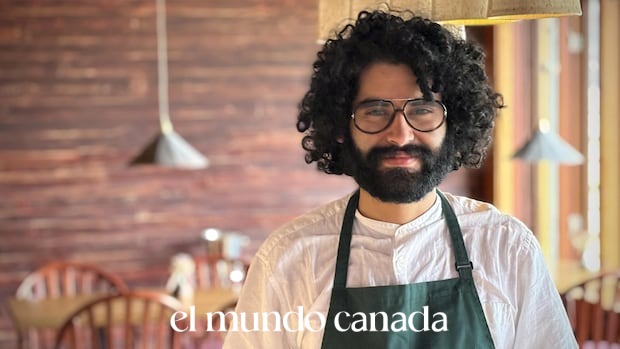
Chef Mohamed Benabed, the restaurant’s namesake and culinary visionary, has transformed this remote location into a destination for food enthusiasts across Canada. His approach combines classical French techniques with locally sourced ingredients from the surrounding boreal forest and nearby waters.
The restaurant’s menu showcases the bounty of the Côte-Nord region, featuring ingredients that most urban chefs can only dream of accessing. Wild game, foraged mushrooms, fresh seafood from the St. Lawrence, and indigenous plants all make regular appearances on the tasting menu.
Understanding Michelin Recognition in Canada
The Michelin Guide expanded to Canada in 2022, initially covering Toronto before adding Vancouver and, most recently, Quebec. This expansion brought international culinary standards to Canadian restaurants, creating new benchmarks for excellence.
Receiving Michelin recognition—whether a star, Bib Gourmand, or simply a listing—signals to diners worldwide that a restaurant meets rigorous quality standards. For a restaurant in a village of 1,500 residents, this acknowledgment carries extraordinary significance.
The guide evaluates restaurants based on five criteria:
- Quality of ingredients
- Mastery of cooking techniques
- Harmony of flavors
- Personality of the chef in the cuisine
- Consistency over time
Benabed has demonstrated excellence across all these dimensions, proving that exceptional dining requires passion and skill rather than a metropolitan address.
The Chef Behind the Success
Mohamed Benabed’s journey to rural Quebec follows a path few could have predicted. His culinary background spans multiple countries and prestigious kitchens, yet he chose to establish his flagship restaurant in one of Quebec’s most remote dining locations.
This decision reflects a broader movement among elite chefs who seek authentic connections to their ingredients and communities. Rather than competing in saturated urban markets, these culinary artists build relationships with local producers, foragers, and fishermen.
The chef’s philosophy centers on terroir—the French concept that food should express the unique characteristics of its place of origin. Every dish at Benabed tells a story about the Saguenay region’s landscape, seasons, and traditions.
Impact on Local Tourism and Economy
The restaurant’s recognition promises significant economic benefits for Sacré-Cœur and the surrounding area. Culinary tourism has become a powerful economic driver, with food enthusiasts willing to travel considerable distances for exceptional dining experiences.
Local businesses stand to benefit from increased visitor traffic. Hotels, bed and breakfasts, and other restaurants in the region can expect growing interest from travelers who combine their Benabed reservation with extended stays exploring the Côte-Nord.
The Auberge de la Rivière Saguenay itself offers accommodation, creating a seamless experience for guests who prefer not to drive after an elaborate tasting menu paired with local wines and spirits.
Municipal leaders and tourism officials have expressed enthusiasm about the recognition, viewing it as validation of the region’s potential beyond traditional outdoor recreation tourism.
Quebec’s Evolving Fine Dining Landscape
Benabed’s success reflects Quebec’s increasingly diverse fine dining scene. While Montreal has long dominated the province’s culinary conversation, restaurants across rural Quebec are gaining recognition for innovative approaches rooted in local traditions.
The province’s unique food culture—influenced by French heritage, Indigenous knowledge, and harsh northern climates—provides chefs with distinctive ingredients and techniques unavailable elsewhere. This culinary identity has attracted growing international attention.
Other rural Quebec establishments have similarly earned acclaim, suggesting that the province’s gastronomic future extends well beyond its major cities. From the Charlevoix region to the Gaspé Peninsula, talented chefs are redefining what Canadian fine dining can be.
Planning a Visit to Benabed
Travelers interested in experiencing Benabed should plan well in advance. Restaurants of this caliber typically require reservations weeks or months ahead, particularly following major recognition.
The journey to Sacré-Cœur itself becomes part of the experience. The drive from Quebec City follows the stunning Route 138 along the St. Lawrence River, passing through Charlevoix before reaching the Côte-Nord region.
Visitors should consider:
- Booking accommodation at the auberge or nearby lodging
- Planning additional activities such as whale watching, hiking, or exploring Saguenay Fjord National Park
- Allowing flexible timing to fully appreciate the tasting menu experience
- Arranging transportation as the remote location limits options
A New Chapter for Canadian Gastronomy
The recognition of a Quebec Michelin star restaurant in a village of 1,500 residents sends a powerful message about Canadian gastronomy’s evolution. Excellence can flourish anywhere when talented chefs commit to their craft and their communities.
Benabed’s achievement challenges assumptions about where world-class dining belongs. As more travelers seek authentic, place-based culinary experiences, remote destinations like Sacré-Cœur may increasingly define the future of fine dining in Canada.
