


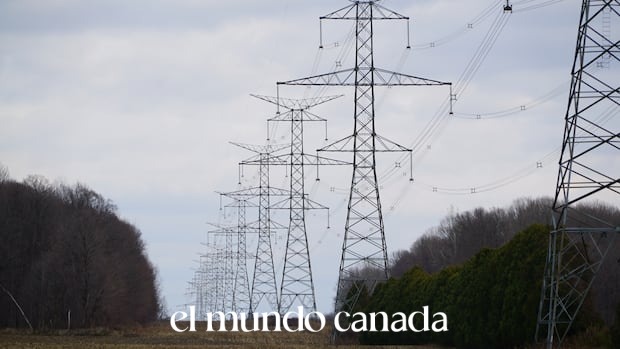
Ontario’s ambitious push to expand its electricity grid across the northern region has ignited a heated debate about the Ontario transmission line environmental impact on vulnerable ecosystems. As the provincial government accelerates construction timelines, conservation experts and Indigenous communities are raising urgent questions about what happens to endangered species—particularly turtles—caught in the path of progress.
The proposed transmission corridors would cut through some of the province’s most ecologically sensitive territories, areas that serve as critical habitat for species already teetering on the brink of survival. With construction deadlines looming, stakeholders worry that environmental assessments may not receive the thorough attention they deserve.
Why Endangered Turtles Face New Threats
Northern Ontario hosts several turtle species classified as at-risk under provincial and federal legislation. The Blanding’s turtle and snapping turtle populations have already experienced significant decline due to habitat loss, road mortality, and climate change pressures.
Transmission line construction poses multiple risks to these slow-moving reptiles. Heavy machinery can destroy nesting sites, while new access roads increase vehicle traffic through previously isolated wetlands. Turtles, which can take 15 to 25 years to reach reproductive maturity, cannot quickly recover from population losses.
“Every adult female removed from the population has cascading effects for decades,” wildlife biologists have noted in previous assessments of similar infrastructure projects.
The timing of construction activities matters enormously. Turtle nesting season runs from May through July, precisely when ground disturbance could prove most devastating to reproductive success.
Government’s Fast-Track Approach Under Scrutiny
The Ontario government has invoked special legislative powers to expedite transmission line approvals, citing the urgent need to address the province’s growing electricity demands. Industrial expansion, electric vehicle adoption, and data center development have all contributed to projected power shortages.
However, environmental advocates argue that speed should not come at the expense of due diligence. Traditional environmental assessment processes exist specifically to identify and mitigate harm to sensitive ecosystems before construction begins.
Under the accelerated timeline, some observers fear that:
- Comprehensive wildlife surveys may be truncated or skipped
- Mitigation measures could prove inadequate without proper baseline data
- Cumulative impacts across multiple project phases might go unexamined
Provincial officials maintain that environmental protections remain intact despite the compressed schedule. They point to existing regulatory frameworks and commitments to species-at-risk protocols.
Indigenous Communities Demand Meaningful Consultation
First Nations whose traditional territories fall within the proposed transmission corridors have expressed frustration with the consultation process. Many communities report learning about project details through media reports rather than direct government engagement.
For Indigenous peoples, the land in question holds significance beyond environmental concerns. These territories contain sacred sites, traditional hunting grounds, and areas essential to cultural practices maintained for generations.
Duty to consult requirements under Canadian law obligate the Crown to engage meaningfully with Indigenous communities before approving projects that could affect their rights. Critics suggest the fast-tracked approach may fall short of these constitutional obligations.
Several First Nations have indicated they support clean energy development in principle but insist on genuine partnership rather than token consultation. They possess traditional ecological knowledge that could actually improve project outcomes if properly incorporated into planning processes.
What Environmental Safeguards Currently Exist?
Ontario’s Endangered Species Act provides legal protection for at-risk wildlife, including prohibitions against killing, harming, or harassing protected species and damaging their habitat. Projects that might affect endangered species typically require permits with specific conditions.
For transmission line construction, standard mitigation measures often include:
- Pre-construction wildlife surveys to identify sensitive areas
- Timing restrictions that avoid critical breeding periods
- Installation of wildlife crossing structures
- Habitat restoration requirements following construction
- Long-term monitoring programs
The effectiveness of these measures depends heavily on enforcement and adaptive management. When timelines compress, monitoring may suffer, and problems can go undetected until significant damage has occurred.
Energy regulators have historically balanced infrastructure needs against environmental protection, though the current political climate appears to favor development priorities.
The Broader Electricity Infrastructure Debate
Northern Ontario’s transmission expansion reflects tensions playing out across North America as jurisdictions race to modernize aging electrical grids. The transition to renewable energy sources and electrification of transportation requires massive infrastructure investment.
Supporters of accelerated development argue that climate change itself poses the greatest threat to wildlife. Building clean energy infrastructure quickly, they contend, represents the best long-term strategy for environmental protection—even if short-term impacts occur.
Opponents counter that sacrificing environmental safeguards undermines the very goals clean energy aims to achieve. Rushing projects without proper planning often leads to costly mistakes, delays, and legal challenges that ultimately slow progress more than careful assessment would have.
The debate highlights a fundamental question facing policymakers: How do societies balance urgent climate action against localized environmental harm?
What Happens Next for Northern Ontario’s Wildlife
The coming months will prove critical for determining whether Ontario’s transmission expansion proceeds with adequate environmental protection. Several factors will shape outcomes:
Legal challenges from environmental groups or Indigenous communities could force delays and additional review. Courts have previously intervened when governments failed to meet consultation or assessment obligations.
Public pressure may influence political calculations, particularly as awareness grows about specific impacts to charismatic species like turtles.
Scientific monitoring during early construction phases will reveal whether mitigation measures perform as intended or require adjustment.
Residents concerned about the Ontario transmission line environmental impact can engage through public comment periods, support conservation organizations working on the issue, and contact elected representatives.
Balancing Progress With Protection
Ontario faces genuine challenges in meeting its future electricity needs while honoring commitments to environmental stewardship and Indigenous rights. These goals need not conflict, but achieving balance requires political will, adequate resources, and genuine commitment to consultation.
Endangered turtles cannot advocate for themselves. Their survival depends on whether humans choose to incorporate their needs into infrastructure planning—or treat them as acceptable casualties of progress.
