


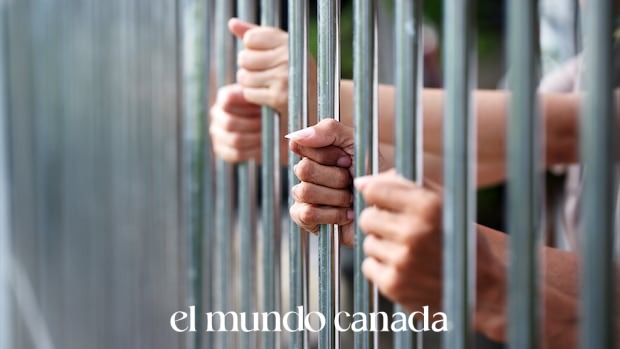
Canada faces a growing crisis in its correctional system as experts sound the alarm over the country’s severe shortage of women’s prisons. This lack of facilities forces many incarcerated women far from their families and communities, making rehabilitation significantly harder and increasing the likelihood of reoffending.
With only six federal institutions for women across the entire country, advocates argue the system fails to address the unique needs of female offenders. The question now confronting policymakers: What’s the answer to this persistent problem?
The Scope of Canada’s Women’s Prison Shortage
Canada operates just six federal prisons for women, compared to dozens of facilities for men. This disparity creates logistical nightmares for incarcerated women and their families.
Many women serve sentences hundreds or even thousands of kilometers from home. The geographic isolation severs crucial family ties that research consistently links to successful reintegration into society.
Indigenous women face particularly stark challenges. Despite representing roughly 5% of Canada’s female population, Indigenous women account for nearly half of federally incarcerated women.
The overrepresentation compounds existing inequities, as many Indigenous women end up incarcerated far from their traditional territories and support networks.
Why Distance Undermines Rehabilitation Efforts
Corrections experts emphasize that maintaining family connections during incarceration dramatically improves outcomes after release. When women cannot see their children regularly, the emotional toll affects both generations.
Children of incarcerated mothers face higher rates of behavioral problems, academic struggles, and eventual involvement with the justice system themselves.
The further away someone is from their community, the harder it becomes to plan for their release. Parole planning requires coordination with local agencies, employers, and housing providers—all nearly impossible from a distant facility.
Women’s prisons also struggle to offer specialized programming that addresses the root causes of female offending. Research shows women typically enter the criminal justice system through different pathways than men, often involving histories of trauma, abuse, and economic marginalization.
Unique Needs of Incarcerated Women
Female offenders present distinct challenges that Canada’s correctional system frequently fails to address. Mental health issues affect incarcerated women at significantly higher rates than their male counterparts.
Histories of domestic violence and sexual abuse appear in the backgrounds of most federally sentenced women. Without trauma-informed care, prisons risk retraumatizing rather than rehabilitating these individuals.
Substance abuse treatment represents another critical gap. Women often require gender-specific approaches to addiction recovery, yet available programs frequently follow models designed for men.
Motherhood adds another layer of complexity. Approximately two-thirds of incarcerated women have children under 18. The separation damages maternal bonds and leaves children in precarious situations, sometimes entering foster care systems that create their own long-term challenges.
What Experts Propose as Solutions
Advocates offer several potential remedies to Canada’s women’s corrections crisis. Building additional regional facilities tops many recommendation lists, though construction costs and community opposition create significant obstacles.
Community-based alternatives to incarceration attract growing support among criminal justice reformers. These programs allow women to serve sentences while maintaining employment, housing, and family connections.
Healing lodges designed specifically for Indigenous women represent another promising model. These facilities incorporate traditional practices and cultural programming that conventional prisons lack.
Some experts advocate for fundamental changes to sentencing practices. Many women serve time for non-violent offenses that might respond better to supervised community sentences than institutional confinement.
Electronic monitoring, halfway houses, and intensive probation programs could handle many current prison populations at lower cost while producing better outcomes.
The Financial and Social Costs of Inaction
Maintaining the status quo carries substantial economic burdens. Incarcerating a woman in a federal institution costs taxpayers over $200,000 annually—far more than community supervision alternatives.
The social costs extend beyond direct expenditures. When rehabilitation fails, recidivism follows. Women released without adequate preparation frequently return to prison within years, perpetuating expensive cycles.
Children affected by maternal incarceration often require social services, mental health support, and educational interventions. These downstream costs rarely appear in correctional budget analyses but affect communities for decades.
Employers lose potential workers. Communities lose contributing members. The ripple effects of failed rehabilitation touch virtually every aspect of Canadian society.
Provincial Facilities Face Similar Challenges
While federal prisons hold women serving sentences of two years or longer, provincial jails handle shorter sentences and pretrial detention. These facilities face their own shortage problems.
Many provinces lack dedicated women’s facilities entirely, housing female inmates in wings of predominantly male institutions. This arrangement limits programming options and creates safety concerns.
Pretrial detention presents particular difficulties. Women awaiting trial may spend months in facilities with minimal rehabilitation programming, losing jobs, housing, and custody of children before ever receiving a conviction.
The provincial-federal divide also complicates continuity of care. Women may begin treatment programs in provincial custody only to transfer to federal facilities where those specific programs don’t exist.
Moving Forward: Policy Considerations
Addressing Canada’s women’s prison shortage requires coordinated action across multiple government levels. Federal investments in new facilities must align with provincial strategies for shorter-term detention.
Decarceration efforts deserve serious policy consideration. Reducing the overall number of incarcerated women through sentencing reform and diversion programs could alleviate pressure on existing facilities.
Investment in prevention programs targeting the root causes of female offending—poverty, addiction, domestic violence, and mental illness—might reduce future prison populations more effectively than building additional cells.
The answer to Canada’s women’s prison problem likely involves multiple approaches rather than a single solution. What remains clear is that the current system fails incarcerated women, their families, and Canadian society broadly.
Policymakers face difficult choices, but continued inaction guarantees continued failure in one of the country’s most troubled institutions.
