


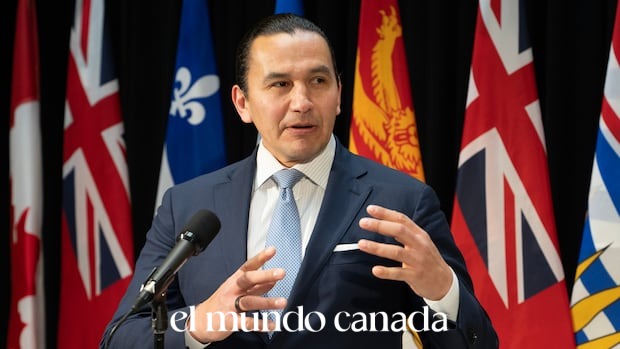
Manitoba Premier Wab Kinew has voiced serious concerns about the federal government’s proposed social media legislation, warning that the ban could inadvertently prevent teachers from using essential educational tools like YouTube in classrooms.
The warning comes as Ottawa considers sweeping restrictions on social media access for minors, a move that provincial leaders say lacks clarity and could disrupt modern teaching methods across Canadian schools.
What the Federal Social Media Legislation Proposes
The federal government has introduced plans to restrict social media access for minors as part of a broader effort to protect young Canadians from online harms. The proposed legislation targets platforms popular among children and teenagers, aiming to limit exposure to harmful content and addictive algorithms.
However, Premier Kinew argues the current draft fails to distinguish between recreational social media use and legitimate educational applications. During recent discussions, he highlighted that platforms like YouTube serve as critical teaching resources in countless Canadian classrooms.
“Teachers across Manitoba rely on video content to supplement lessons, explain complex concepts, and engage students,” Kinew explained in his public remarks. The premier emphasized that poorly drafted legislation could force educators to abandon tools they’ve integrated into their curricula for years.
YouTube’s Role in Canadian Classrooms
The concern over YouTube access reflects a broader reality in modern education. Teachers routinely use the platform for:
- Educational documentaries and historical footage
- Science demonstrations and virtual lab experiences
- Language learning resources and pronunciation guides
- Music and arts instruction materials
- Tutorial videos for mathematics and technical subjects
According to education experts, banning or restricting YouTube in schools would represent a significant setback for digital learning initiatives that provinces have invested heavily in developing.
Manitoba’s education system, like others across the country, has increasingly embraced technology-enhanced learning since the COVID-19 pandemic accelerated digital adoption. Removing access to major platforms could undermine these investments and leave teachers scrambling for alternatives.
AI Chatbots Also Under Scrutiny
Beyond social media platforms, the federal proposal also addresses AI chatbots and their use by minors. Tools like ChatGPT and similar artificial intelligence applications have become increasingly common in educational settings, raising questions about where the legislation draws boundaries.
Premier Kinew noted that many schools have begun incorporating AI tools into their teaching strategies, using them to help students with research, writing assistance, and problem-solving exercises. A blanket restriction could eliminate these emerging educational resources.
The premier called for clearer definitions within the legislation to ensure that tools with legitimate educational value remain accessible while still protecting children from genuinely harmful online content.
Provincial Leaders Push Back on Federal Approach
Manitoba isn’t alone in expressing reservations. Several provincial leaders have questioned whether the federal social media restrictions adequately consider the practical implications for schools and educational institutions.
Critics argue that the legislation appears designed with consumer social media in mind—platforms like TikTok, Instagram, and Snapchat—without accounting for platforms that serve dual purposes as both entertainment and educational resources.
Premier Kinew has urged federal lawmakers to consult more closely with educators and provincial education ministries before finalizing the legislation. He suggested that exemptions or carve-outs for educational use could address many concerns while still achieving the goal of protecting young Canadians online.
Balancing Child Safety and Educational Access
The debate highlights a fundamental tension in regulating children’s online activity. While most stakeholders agree that protecting minors from harmful content remains paramount, the methods for achieving that protection remain contentious.
Education advocates argue that blanket bans create more problems than they solve. Instead, they propose:
- Age-appropriate access controls managed by schools
- Digital literacy programs that teach responsible use
- Platform-specific restrictions rather than categorical bans
- Teacher oversight provisions for educational contexts
The federal government has indicated willingness to consider amendments, but no specific timeline for revisions has been announced.
What Happens Next
The proposed legislation must still pass through parliamentary review, giving stakeholders time to advocate for changes. Premier Kinew has committed to continued engagement with federal officials to ensure Manitoba’s educational interests receive consideration.
For now, teachers and administrators await clarity on how the final rules will affect their daily operations. Many have expressed hope that common-sense exemptions will preserve access to valuable educational platforms while still advancing the legislation’s child protection goals.
Parents, educators, and policymakers should monitor developments closely as this legislation progresses. The outcome will shape how Canadian schools navigate the intersection of technology, education, and online safety for years to come.
