


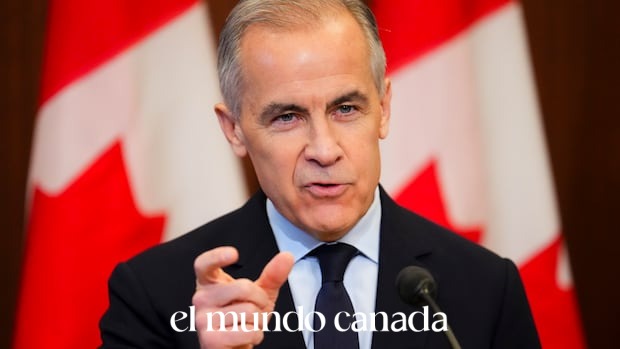
Prime Minister Mark Carney has waded into the intensifying debate over an Alberta separation referendum, declaring that the western province’s future remains firmly within Canadian Confederation. His comments come as political tensions between Ottawa and Edmonton reach a boiling point over energy policy, trade disputes, and provincial autonomy.
The Prime Minister’s remarks signal a direct challenge to Alberta Premier Danielle Smith and the growing separatist sentiment that has gained traction in recent months. As Canada navigates economic uncertainty and shifting political alliances, the question of national unity has once again taken center stage.
Carney Delivers Strong Federalist Message
Speaking to reporters, Prime Minister Carney emphasized his belief that Alberta thrives as part of Canada’s economic and political framework. “The best place for Alberta is in Canada,” Carney stated, addressing questions about the province’s future relationship with the federal government.
The Prime Minister’s comments represent a calculated attempt to cool separatist rhetoric while acknowledging legitimate provincial grievances. Carney, who took office earlier this year, has sought to balance western Canadian concerns with broader national interests.
His administration faces mounting pressure to address longstanding tensions over resource development, carbon pricing, and equalization payments. These issues have fueled the Alberta independence movement and provided ammunition for politicians advocating a referendum on separation.
Premier Smith’s Referendum Push Intensifies Debate
Alberta Premier Danielle Smith has emerged as the central figure in the separation controversy. Her government has floated the possibility of holding a referendum on Alberta’s place within Confederation, energizing supporters who feel the province has been shortchanged by federal policies.
Smith’s United Conservative Party has long championed provincial rights and criticized Ottawa’s approach to energy regulation. The premier argues that Alberta contributes disproportionately to federal coffers while receiving inadequate representation in national decision-making.
The Wexit movement, which gained momentum during the previous federal government’s tenure, continues to influence Alberta’s political landscape. While full independence remains a minority position, surveys suggest growing frustration with federal policies among Alberta residents.
Economic Stakes Fuel the Separation Conversation
The economic dimensions of a potential Alberta separation referendum cannot be understated. Alberta’s oil and gas sector generates billions in annual revenue and employs hundreds of thousands of workers across the country.
Critics of separation argue that leaving Canada would create enormous economic disruption. Key concerns include:
- Trade agreements: Alberta would need to negotiate new arrangements with both Canada and international partners
- Currency questions: An independent Alberta would face decisions about monetary policy and banking systems
- Border implications: Separation could complicate the movement of goods and workers
- Pension and benefit transfers: Millions of Albertans rely on federal programs that would require renegotiation
Supporters counter that Alberta’s resource wealth would sustain an independent economy. They point to successful small nations with significant energy sectors as potential models for an autonomous Alberta.
Historical Context of Western Alienation
The current separation referendum discussion reflects decades of western alienation within Canadian politics. Alberta has historically felt marginalized by federal policies perceived as favoring central Canadian interests.
The National Energy Program of the 1980s remains a touchstone for many Albertans who believe Ottawa exploited provincial resources without fair compensation. More recently, disputes over pipeline construction and environmental regulations have reinforced these grievances.
Prime Minister Carney’s background as a former central banker and his roots outside western Canada present both challenges and opportunities. His economic expertise may help address substantive policy concerns, but his perceived distance from prairie perspectives could limit his persuasive power.
Federal Response Strategy Takes Shape
The Carney government appears to be pursuing a multi-pronged strategy to address separation sentiment. Officials have signaled openness to discussing provincial concerns while firmly rejecting the legitimacy of unilateral separation.
Key elements of Ottawa’s approach include:
Economic engagement: The federal government has announced investments in western Canadian infrastructure and energy transition projects designed to demonstrate commitment to the region’s prosperity.
Constitutional clarity: Federal officials have referenced the Clarity Act, which establishes requirements for any province seeking to leave Confederation through a referendum process.
Political outreach: Carney and cabinet ministers have increased their presence in Alberta, meeting with business leaders, municipal officials, and community organizations.
The Prime Minister’s assertive statement that Alberta belongs in Canada represents a departure from previous governments’ more cautious approaches to separation rhetoric. By directly engaging the issue, Carney risks further inflaming tensions but may also succeed in defining the terms of debate.
What Happens Next in the Unity Crisis
The coming months will prove critical in determining whether the Alberta separation referendum remains political rhetoric or evolves into a genuine constitutional challenge. Several factors will shape the trajectory of this debate.
Provincial politics will play a decisive role. Premier Smith faces pressure from both hardline separatists demanding action and moderate conservatives wary of economic disruption. Her handling of federal relations will influence whether referendum talk escalates or subsides.
Economic conditions matter enormously. Strong oil prices and robust employment could reduce grievances, while any perception of federal interference in Alberta’s economy would likely intensify separation sentiment.
National elections loom on the horizon. Both federal and provincial campaigns will feature debates over Alberta’s role in Confederation, potentially hardening positions on all sides.
A Nation Watches and Waits
The confrontation between Prime Minister Carney and Premier Smith over the Alberta separation referendum highlights fundamental questions about Canadian federalism. Both leaders claim to represent their constituents’ best interests while offering starkly different visions for the country’s future.
For ordinary Albertans and Canadians across the country, the stakes extend beyond political posturing. Decisions made in the coming years will shape economic opportunities, social programs, and national identity for generations. As this debate continues, citizens would benefit from engaging with substantive policy discussions rather than inflammatory rhetoric from any direction.
