


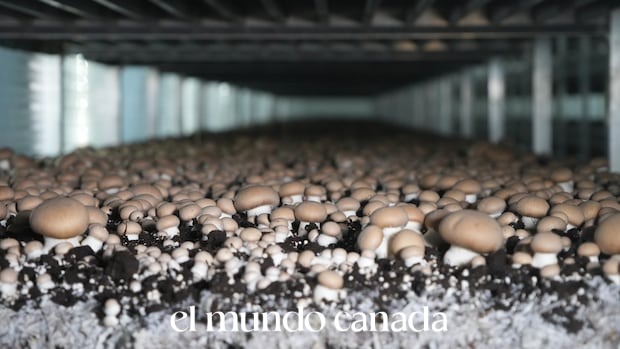
The United States is preparing to impose significant tariffs on Canadian mushrooms, sending shockwaves through the agricultural community north of the border. The Canadian mushroom tariffs announcement has sparked urgent warnings from growers who fear this move could signal broader trade challenges for the entire agriculture sector.
As trade tensions between the two nations continue to simmer, mushroom producers find themselves at the center of a dispute that could reshape cross-border agricultural commerce for years to come.
What the New U.S. Mushroom Tariffs Mean for Canadian Growers
The U.S. Department of Commerce has moved forward with plans to impose countervailing duties on fresh and chilled mushrooms imported from Canada. This decision follows an investigation into allegations that Canadian producers benefit from unfair government subsidies.
Canadian mushroom growers export hundreds of millions of dollars worth of product to American markets annually. The industry supports thousands of jobs across provinces like Ontario, British Columbia, and Alberta.
The proposed duties could dramatically increase prices for Canadian mushrooms in U.S. grocery stores and food service operations. Industry experts warn that American buyers may simply switch to domestic suppliers or source from other countries.
Canadian Agriculture Industry Sounds the Alarm
The Mushroom Growers’ Association has expressed deep concern about the tariff decision. Representatives argue that Canadian producers operate on thin margins and cannot absorb additional costs without passing them to consumers or cutting production.
“This isn’t just about mushrooms,” one industry spokesperson noted. “It’s about the precedent this sets for all Canadian agricultural exports.”
Growers warn that the duties could force some operations to close permanently. Small and medium-sized farms face particular vulnerability since they lack the financial reserves to weather extended trade disruptions.
The ripple effects extend beyond farm gates. Packaging companies, transportation firms, and agricultural suppliers all depend on a healthy mushroom industry.
Trade Tensions Escalate Between Canada and the United States
The mushroom tariffs represent just one front in an increasingly complex Canada-U.S. trade landscape. Both nations have engaged in tit-for-tat measures across multiple sectors in recent years.
Agricultural products frequently become flashpoints in bilateral disputes. Dairy, lumber, and now mushrooms have all faced trade barriers that complicate the historically close economic relationship.
Canadian officials have signaled they may pursue dispute resolution through existing trade agreements. The Canada-United States-Mexico Agreement (CUSMA) provides mechanisms for challenging what Ottawa considers unfair trade practices.
However, trade disputes can take years to resolve through official channels. Canadian mushroom growers need immediate solutions to survive the current crisis.
Economic Impact on Cross-Border Agricultural Trade
The economic stakes extend far beyond the mushroom industry. Canada exports billions of dollars in agricultural products to the United States each year, making it the largest market for Canadian farm goods.
Fresh produce exports particularly depend on seamless border access. Mushrooms, with their short shelf life, require efficient logistics that tariffs and border delays can disrupt.
Industry analysts estimate the duties could cost Canadian producers tens of millions of dollars annually. Some projections suggest up to 30 percent of current export volume could disappear if the tariffs remain in place.
American consumers may also feel the impact. Canadian mushrooms have long provided competitive pricing in U.S. markets, and reduced supply could drive up costs at grocery stores.
How Canadian Producers Are Responding
Mushroom growers across Canada are exploring multiple strategies to mitigate the tariff impact. Some producers are investigating market diversification opportunities in Europe, Asia, and other regions.
Others are focusing on value-added products that may face different tariff classifications. Processed mushrooms, dried products, and specialty varieties could offer alternative revenue streams.
Industry associations are also lobbying the Canadian government for support measures. Growers argue they deserve assistance similar to what other sectors received during previous trade disputes.
Some larger operations are considering establishing production facilities in the United States to bypass tariffs entirely. However, this approach requires significant capital investment that most producers cannot afford.
What This Means for the Future of Canadian Agriculture
The mushroom tariff dispute carries implications that extend well beyond fungi. Agricultural groups across Canada are watching closely, concerned that their products could face similar treatment.
Supply chain disruptions and trade barriers have become increasingly common in global agriculture. Canadian farmers must now factor geopolitical risks into their business planning.
The federal government faces pressure to defend agricultural interests more aggressively in trade negotiations. Critics argue that Canada has been too passive in responding to American protectionist measures.
Climate change, labor shortages, and rising input costs already challenge Canadian farmers. Additional trade barriers compound these difficulties and threaten the sector’s long-term viability.
Key Takeaways
The U.S. decision to impose tariffs on Canadian mushrooms represents a significant escalation in agricultural trade tensions. Growers face immediate financial pressure while the broader industry watches for signs of additional measures targeting other products.
Canadian producers, government officials, and trade experts must work together to navigate this challenging landscape. The outcome of the mushroom dispute could set important precedents for future agricultural trade between the two nations.
