


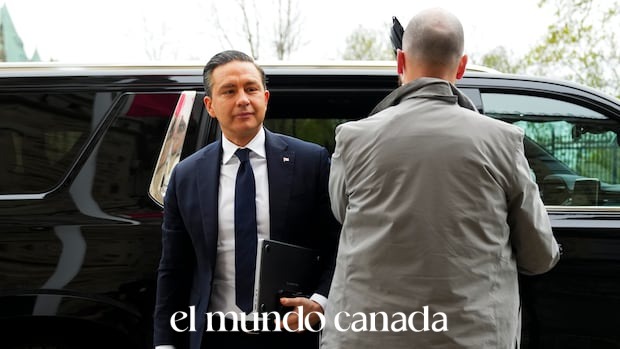
Conservative Leader Pierre Poilievre has announced a significant change to his senior leadership team, naming a new chief of staff following the retirement announcement of longtime adviser Ian Todd. The transition marks an important moment for the Conservative Party as it continues preparing for the next federal election campaign.
The leadership shake-up comes at a critical time for the Official Opposition, with political observers closely watching how the staffing change might affect Conservative strategy and messaging in the months ahead.
Ian Todd Announces Retirement After Years of Service
Ian Todd, who served as Poilievre’s chief of staff through a pivotal period in Canadian politics, has officially announced his retirement from the role. Todd played an instrumental part in shaping the Conservative leader’s political operations and helped guide the party through its transition following the 2022 leadership race.
During his tenure, Todd oversaw the Opposition’s strategic response to numerous government initiatives and helped coordinate the Conservative messaging apparatus. His departure represents the end of an era for Poilievre’s inner circle.
Political insiders describe Todd as a steady hand who brought organizational discipline to the leader’s office. His retirement has been characterized as a personal decision made after careful consideration of his future plans.
New Chief of Staff Appointment Signals Strategic Direction
The appointment of a new chief of staff signals Poilievre’s priorities as the Conservative Party positions itself for potential electoral success. The role of chief of staff carries enormous responsibility, serving as the primary gatekeeper and strategic coordinator for the party leader.
Chiefs of staff in Canadian politics typically manage relationships with caucus members, coordinate media strategy, and ensure the leader’s office operates efficiently. The position requires extensive political experience and the ability to navigate complex stakeholder relationships.
The transition between chiefs of staff rarely happens without careful planning in major political operations. Poilievre’s team has emphasized that the handover will ensure continuity in Conservative operations and maintain momentum heading into what many expect will be a competitive election cycle.
What This Means for Conservative Party Strategy
The change in senior Conservative leadership comes as the party maintains strong positioning in public opinion polls. Political analysts suggest that staffing decisions at this level can significantly impact a party’s electoral readiness and campaign effectiveness.
A chief of staff influences everything from daily messaging to long-term strategic planning. The individual in this role helps determine which issues the party prioritizes, how it responds to government actions, and the overall tone of political communications.
Conservative insiders have expressed confidence that the leadership transition will strengthen rather than disrupt party operations. The timing allows the new chief of staff to establish relationships and systems well before any potential election call.
The Role of Chiefs of Staff in Canadian Politics
Chiefs of staff occupy a unique position in Canadian political leadership structures. Unlike elected officials, they operate largely behind the scenes while wielding substantial influence over party direction and leader accessibility.
Historically, successful chiefs of staff share several characteristics:
- Strategic vision aligned with their leader’s political goals
- Crisis management capabilities for rapid response situations
- Relationship building skills across caucus and stakeholder groups
- Media savvy to coordinate effective communications strategies
The position demands long hours and constant availability, contributing to relatively high turnover rates compared to other senior political roles. Many chiefs of staff serve for two to four years before transitioning to other opportunities.
Political Context Surrounding the Announcement
The staffing announcement arrives during a period of heightened political activity in Ottawa. The Conservative Party has maintained aggressive opposition tactics while presenting alternative policy visions on issues ranging from housing affordability to economic management.
Poilievre has built his political brand around specific messaging themes that require careful coordination from his senior team. The new chief of staff will inherit responsibility for maintaining message discipline while adapting to evolving political circumstances.
Federal political watchers note that opposition parties often use periods between elections to refine their organizational structures. Staff changes at senior levels can inject fresh perspectives while building teams optimized for campaign conditions.
Looking Ahead: Conservative Party Preparations
As the Conservative leadership team completes this transition, attention will focus on how the new chief of staff shapes party operations in the coming months. The individual stepping into this role faces immediate challenges including caucus management, media relations, and election preparedness.
Political observers will watch closely for any shifts in Conservative strategy or messaging that might indicate the new chief of staff’s influence. Such changes typically emerge gradually as new leadership settles into established roles.
The Conservative Party enters this transition period from a position of relative strength, with consistent polling numbers and an energized supporter base. Maintaining this momentum while integrating new senior leadership will test the party’s organizational resilience.
The naming of a new Poilievre chief of staff represents a significant moment for the Conservative Party as it prepares for future electoral challenges. Ian Todd’s retirement closes one chapter while opening another in the party’s ongoing development. As Canadian politics continues evolving, the effectiveness of this leadership transition will become apparent through Conservative performance in Parliament and beyond.
