


Foreign Governments and Organizations Keep Funding Canadian Politicians’ Trips
Canadian Members of Parliament continue accepting sponsored travel from foreign governments and special interest groups, raising fresh concerns about influence and transparency in federal politics. Despite recent changes to lobbying regulations, the practice of MP sponsored travel lobbying remains largely intact, creating potential conflicts of interest that critics say undermine democratic accountability.
Recent disclosures reveal that dozens of federal politicians have accepted fully funded trips abroad, courtesy of foreign states and advocacy organizations seeking to advance their interests on Parliament Hill. The ongoing practice highlights significant gaps in Canada’s ethics framework governing elected officials.
What the New Lobbying Rules Actually Changed
The Canadian government implemented updates to the Lobbying Act and related regulations aimed at increasing transparency around interactions between lobbyists and public office holders. However, these changes fell short of addressing one critical loophole: sponsored travel.
Under current rules, MPs must disclose gifts and travel exceeding certain thresholds. Yet the fundamental practice of accepting expense-paid trips from entities with clear political agendas remains permissible. Critics argue this creates an environment where foreign governments and lobby groups can essentially purchase face time with Canadian lawmakers.
The Office of the Commissioner of Lobbying oversees registration requirements for those seeking to influence government policy. However, the commissioner’s mandate does not extend to prohibiting or significantly restricting sponsored travel for politicians.
Which Countries and Groups Fund MP Travel?
Disclosure records paint a revealing picture of who finances Canadian politicians’ international trips. Several categories of sponsors emerge consistently:
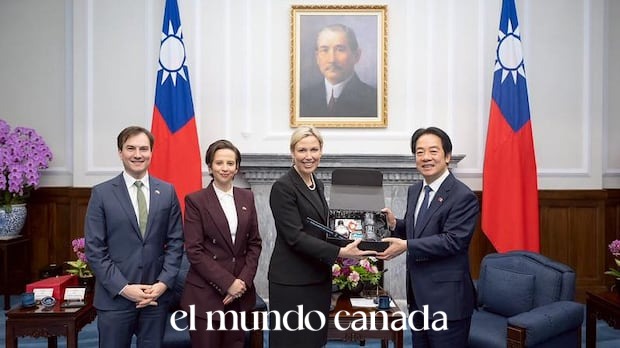
Foreign Governments: Countries including Taiwan, Israel, and various European nations regularly fund parliamentary delegations. These trips often include meetings with high-ranking officials, tours of facilities, and carefully curated cultural experiences.
Industry Associations: Trade groups representing sectors like energy, technology, and pharmaceuticals sponsor trips designed to showcase their members’ operations and policy priorities.
Advocacy Organizations: Non-profit groups focused on issues ranging from human rights to economic development fund travel aimed at educating MPs on specific causes.
Think Tanks: Policy research organizations with international affiliations frequently bring Canadian parliamentarians to conferences and study tours abroad.
The Influence Concern: Why Critics Raise Red Flags
Ethics watchdogs and transparency advocates express mounting concern about the cumulative effect of sponsored parliamentary travel. Democracy Watch and similar organizations argue that accepting thousands of dollars in travel benefits inevitably shapes how MPs perceive certain issues and countries.
The psychology of reciprocity plays a significant role in these concerns. When a foreign government invests substantially in hosting a Canadian politician—covering flights, luxury accommodations, meals, and exclusive access—that MP may feel subtle pressure to view the sponsor favorably.
Former parliamentary ethics officers have noted that even well-intentioned MPs can develop blind spots regarding sponsors who have treated them generously. This dynamic proves especially problematic when those same MPs later vote on policies directly affecting their travel benefactors.
Comparing Canada to Other Democracies
Canada’s approach to MP travel funding stands in contrast to stricter regimes elsewhere. The United States Congress imposes tighter restrictions on privately funded travel following past scandals. The United Kingdom has implemented enhanced disclosure requirements and cooling-off periods.
Several European parliaments prohibit members from accepting travel funded by foreign governments entirely, viewing such arrangements as inherently compromising. These jurisdictions recognize that regardless of intent, the appearance of impropriety damages public trust in democratic institutions.
Australian federal parliamentarians face strict rules governing sponsored travel, including mandatory pre-approval processes and detailed public reporting requirements that exceed Canadian standards.
What Reforms Could Address the Problem?
Parliamentary reform advocates propose several measures to strengthen Canada’s framework around lobbying and sponsored travel:
- Enhanced Disclosure: Require MPs to report not just the value of trips, but detailed itineraries, meetings held, and topics discussed. This would allow citizens and journalists to better assess potential influence.
- Cooling-Off Periods: Prohibit MPs from voting on matters directly related to travel sponsors for a specified period following trips.
- Value Caps: Impose strict limits on the total value of sponsored travel any MP can accept annually, reducing the potential for accumulated obligation.
- Foreign Government Ban: Follow the lead of other democracies by prohibiting acceptance of travel funded directly by foreign states, while allowing legitimate parliamentary exchange programs.
- Independent Oversight: Empower the Ethics Commissioner to review and approve proposed sponsored travel before MPs accept invitations.
The Political Reality of Reform
Despite growing criticism, meaningful reform faces significant obstacles. MPs from all parties benefit from the current system, creating little political incentive for change. Parliamentary leadership has shown reluctance to impose restrictions that would limit members’ international engagement opportunities.
Proponents of the status quo argue that sponsored travel provides valuable educational experiences, particularly for MPs representing ridings far from international hubs. They contend that exposure to foreign perspectives improves policymaking quality.
However, transparency advocates counter that educational value does not require luxury treatment funded by parties with active lobbying interests. Government-funded official delegations, they argue, can achieve the same goals without ethical complications.
Public Trust Hangs in the Balance
The persistence of foreign-funded MP travel reflects broader challenges facing Canadian democratic institutions. At a time when public trust in government reaches historic lows, practices that even appear to grant special access to those with resources damage confidence in elected representatives.
Canadians deserve assurance that their MPs make decisions based on constituent interests and evidence, not obligations to generous foreign hosts. Until Parliament addresses the sponsored travel loophole, that assurance remains elusive.
Voters concerned about this issue should contact their representatives and demand clearer rules governing parliamentary travel and lobbying. Transparency reforms only happen when citizens make accountability a political priority.
