


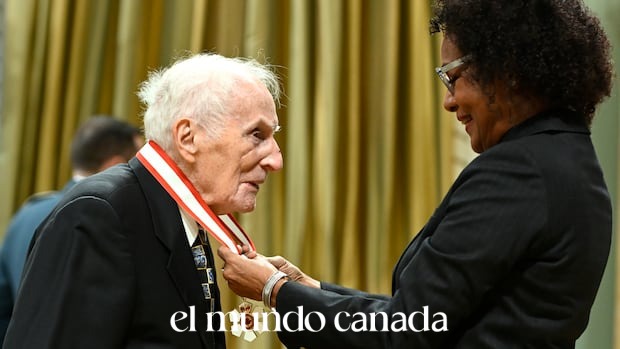
The world of adaptive sports lost a true visionary this week. Frank Hayden, the Canadian researcher whose groundbreaking work helped launch the Special Olympics movement, has died at the age of 96. His revolutionary research challenged decades of misconceptions about intellectual disabilities and ultimately transformed the lives of millions of athletes worldwide.
Hayden’s passing marks the end of an era for disability rights advocacy and inclusive athletics. His scientific contributions laid the foundation for what has become the world’s largest sports organization for people with intellectual disabilities, now serving more than 6 million athletes across 200 countries.
A Researcher Who Changed Everything
Frank Hayden began his career as a physical education researcher at the University of Toronto in the early 1960s. At that time, conventional wisdom held that individuals with intellectual disabilities could not benefit from physical training or athletic competition.
Hayden refused to accept these assumptions. Through rigorous scientific study, he demonstrated that people with intellectual disabilities could indeed improve their physical fitness, motor skills, and overall health through structured athletic programs.
His research proved revolutionary. Hayden documented measurable improvements in strength, coordination, and endurance among participants with intellectual disabilities who engaged in regular physical activity. These findings directly contradicted the prevailing medical and educational attitudes of the era.
The Birth of a Global Movement
Hayden’s work caught the attention of Eunice Kennedy Shriver, sister of President John F. Kennedy and a passionate advocate for people with intellectual disabilities. The Kennedy family had personal connections to the cause—their sister Rosemary lived with an intellectual disability.
In 1968, Shriver and Hayden collaborated to organize the first International Special Olympics Summer Games in Chicago. Approximately 1,000 athletes from the United States and Canada participated in that inaugural event, competing in track and field and swimming events.
The games represented a radical departure from how society treated people with intellectual disabilities. Rather than institutionalization and isolation, the Special Olympics offered competition, celebration, and community recognition.
Scientific Legacy and Academic Contributions
Throughout his career, Hayden continued advancing research in adapted physical education. He published numerous studies examining how physical activity affected cognitive function, social development, and self-esteem in individuals with intellectual disabilities.
His work helped establish adapted physical education as a legitimate academic discipline. Universities began developing specialized programs to train educators in working with students with disabilities.
Hayden also contributed to policy changes affecting how schools approached physical education for students with special needs. His research provided the scientific foundation for inclusive education mandates that followed in subsequent decades.
Recognition and Honors
The sports community and disability rights organizations recognized Hayden’s contributions throughout his lifetime. He received numerous awards celebrating his pioneering research and advocacy work.
Special Olympics International honored Hayden as a founding figure whose scientific work made the entire movement possible. Canadian sports organizations similarly acknowledged his transformative impact on adaptive athletics in the country.
His influence extended beyond awards and formal recognition. Generations of researchers, educators, and advocates built upon his foundational work, expanding opportunities for people with intellectual disabilities in athletics and beyond.
Impact on Millions of Lives
The numbers tell a powerful story. What began with 1,000 athletes in 1968 has grown into a global phenomenon serving more than 6 million athletes today. Special Olympics programs now operate in virtually every country on Earth.
Beyond participation statistics, Hayden’s work fundamentally changed how society views people with intellectual disabilities. Athletes who might once have faced institutionalization now compete on international stages, earning medals and community recognition.
The psychological benefits have proven equally significant. Research continues confirming what Hayden first demonstrated: athletic participation improves self-confidence, social skills, and quality of life for individuals with intellectual disabilities.
Continuing the Mission
Special Olympics has expanded far beyond its original athletic competitions. The organization now offers health screenings, leadership programs, and unified sports initiatives that pair athletes with and without intellectual disabilities on the same teams.
These developments align with Hayden’s original vision of full community inclusion. He understood that athletic achievement represented just one component of a larger goal: demonstrating that people with intellectual disabilities deserve the same opportunities and respect as everyone else.
Current Special Olympics leadership acknowledged Hayden’s foundational role in building this global movement. His passing prompted tributes from athletes, families, and advocates worldwide who benefited from his decades of dedication.
A Legacy That Endures
Frank Hayden’s death closes a remarkable chapter in disability rights history. However, his legacy continues through every Special Olympics competition, every athlete who discovers their potential, and every community that embraces inclusion.
His scientific work proved that prevailing assumptions about intellectual disability were wrong. His advocacy showed that research could drive social change. His collaboration with Eunice Kennedy Shriver demonstrated how partnerships between academics and activists could transform society.
The athletes Hayden championed continue competing, achieving, and proving every day that his foundational belief was correct: given opportunity and support, people with intellectual disabilities can accomplish extraordinary things.
