


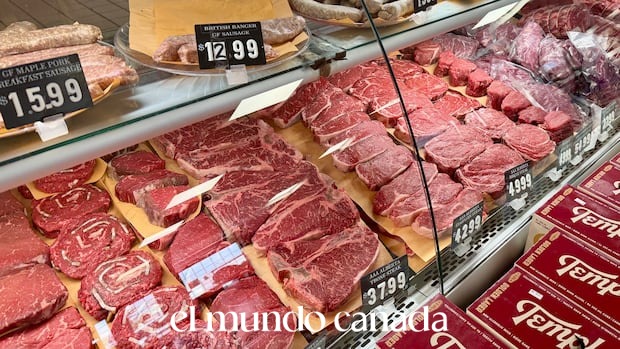
Summer grilling season has arrived, but backyard chefs across North America are facing a harsh reality at the meat counter. BBQ beef prices in 2025 have reached record highs, transforming the traditional weekend cookout from an affordable pleasure into a significant budget consideration.
The sizzling sounds of steaks hitting the grill now come with a much higher price tag. Industry experts point to a perfect storm of factors driving up costs, leaving consumers wondering whether they can still afford their favorite cuts this summer.
The Shrinking Cattle Herd Behind Rising Prices
North America’s cattle herd has reached its smallest size in decades, creating a supply crisis that directly impacts what you pay at the grocery store. Years of drought conditions across major cattle-producing regions have forced ranchers to make difficult decisions about their livestock.
Ranchers like those in Alberta have watched helplessly as drought devastated pastures and depleted water sources. Many producers sold off portions of their herds rather than face mounting feed costs. This mass sell-off provided temporary relief at meat counters but created a long-term supply shortage.
The rebuilding process takes years. A rancher cannot simply increase production overnight—cattle require time to mature before reaching market weight.
Drought’s Devastating Impact on Beef Production
Persistent drought conditions have fundamentally altered the economics of cattle ranching. Feed costs have skyrocketed as hay and grain prices climb alongside limited water availability.
Cattle producers face an impossible equation: spend more to maintain existing herds or reduce numbers to match available resources. Most have chosen the latter, shrinking the overall supply of beef cattle moving through the production pipeline.
The Canadian prairies and American Midwest have experienced particularly severe conditions. These regions traditionally serve as the backbone of North American beef production. When they struggle, the entire market feels the impact.
Water scarcity compounds the problem. Cattle require substantial water daily, and ranchers in affected areas have watched ponds and streams dry up completely.
What Consumers Are Paying at the Meat Counter
The numbers tell a stark story. Premium steak cuts have seen price increases of 15-25% compared to last summer. Ground beef, once considered the budget-friendly option, has also climbed significantly.
A ribeye steak that cost $15 per pound last year may now run $18-20 or more depending on your location. Brisket, the beloved staple of low-and-slow barbecue enthusiasts, has become increasingly expensive as demand remains strong despite shrinking supply.
Grocery chains have attempted to absorb some costs, but the sustained pressure has forced most to pass increases along to shoppers. Sales and promotions on beef products have become less frequent and less generous.
Budget-conscious families are reconsidering their summer meal plans. The traditional July Fourth cookout or weekend barbecue gathering requires more financial planning than in previous years.
Industry Experts Weigh In on Market Conditions
Agricultural economists warn that relief may not come quickly. The cattle cycle—the natural expansion and contraction of herds—typically spans several years. Current conditions suggest tight supplies will persist through 2025 and potentially into 2026.
Meat industry analysts point to strong consumer demand as another factor maintaining high prices. Despite cost increases, North Americans continue purchasing beef, demonstrating the product’s enduring popularity.
International factors also play a role. Global demand for North American beef remains robust, with export markets competing for limited supply. This competition keeps domestic prices elevated.
Processors and retailers operate on thin margins, leaving little room for price reductions even when wholesale costs stabilize temporarily.
Smart Strategies for Summer Grilling on a Budget
Savvy consumers can still enjoy summer BBQ season without breaking the bank. Consider these practical approaches to managing grilling costs.
Explore alternative cuts. Lesser-known cuts like flank steak, skirt steak, and chuck roast offer excellent flavor at lower price points. These cuts benefit from marinades and proper cooking techniques.
Buy in bulk strategically. Warehouse stores often offer better per-pound pricing on larger packages. Divide purchases into portion sizes and freeze for later use.
Consider mixed-protein grilling. Chicken thighs, pork chops, and sausages provide delicious alternatives at more accessible price points. A diverse grill spread can satisfy guests while reducing overall costs.
Watch for sales cycles. Grocery stores typically discount beef around major holidays. Plan larger purchases around Memorial Day, Independence Day, and Labor Day promotions.
Connect with local producers. Some ranchers sell directly to consumers, potentially offering better prices while supporting local agriculture.
Looking Ahead: When Will Prices Stabilize?
The path to price normalization depends heavily on weather patterns and rancher decisions about herd rebuilding. Favorable conditions over the next year could encourage producers to retain more heifers for breeding rather than sending them to market.
However, rebuilding takes patience. Even under optimal conditions, meaningful supply increases remain 2-3 years away. Consumers should prepare for elevated beef prices to persist through at least next summer.
Climate patterns will play a decisive role. Another drought year could extend the current cycle significantly, while adequate rainfall could accelerate recovery.
Making the Most of Your BBQ Budget This Summer
Rising costs need not eliminate the joy of summer grilling. By understanding market conditions, adjusting expectations, and employing smart shopping strategies, you can still gather friends and family around the grill.
The key lies in flexibility and planning. Embrace variety in your protein choices, watch for deals, and remember that great barbecue comes from technique and seasoning as much as expensive cuts. Your summer cookouts can remain memorable even as you navigate today’s challenging beef market conditions.
