


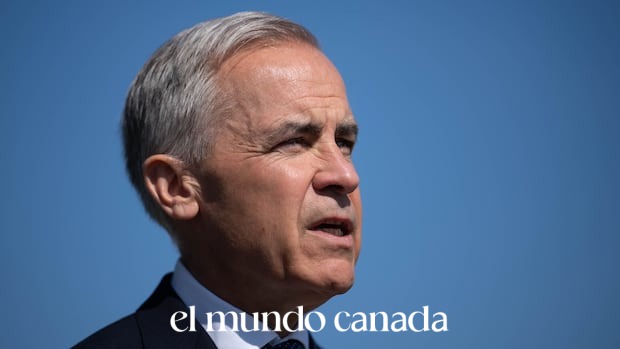
A group of 14 Liberal MPs has sent a pointed letter to Prime Minister Mark Carney expressing serious concerns about his recent environmental agreement with Alberta Premier Danielle Smith. The Liberal MPs Carney environmental concerns center on what critics describe as a significant rollback of federal climate protections in exchange for provincial cooperation.
The internal party pushback represents one of the most visible signs of dissent within Liberal ranks since Carney assumed leadership. The letter, obtained by media outlets this week, signals growing unease among progressive members of the caucus who fear the government is abandoning core environmental commitments.
What the Alberta Deal Entails
Key Provisions Spark Controversy
Prime Minister Carney announced the framework agreement with Alberta earlier this month, positioning it as a pragmatic step toward ending years of federal-provincial tension over energy and environmental policy. The deal reportedly gives Alberta greater autonomy over emissions regulations within its borders.
Under the agreement, the federal government would step back from direct oversight of certain oil sands operations. Alberta would instead implement its own monitoring and enforcement mechanisms for industrial emissions.
Provincial officials celebrated the arrangement as a victory for jurisdictional respect. However, environmental advocates and now a substantial bloc of Liberal MPs view the compromise as a dangerous precedent.
Provincial Autonomy vs. National Standards
The tension between provincial resource rights and federal environmental authority has defined Canadian politics for decades. This latest deal attempts to resolve that friction through what the government calls collaborative federalism.
Critics argue the approach effectively allows provinces to opt out of national climate frameworks. They point to Canada’s international commitments under the Paris Agreement as obligations that require uniform federal standards.
Liberal Caucus Division Emerges
Who Signed the Letter
The 14 signatories include MPs from British Columbia, Ontario, and Quebec—regions where environmental policy carries significant electoral weight. Several represent urban ridings where climate action consistently ranks among top voter priorities.
Notable names among the group include multiple committee chairs and MPs who previously held parliamentary secretary positions. Their collective experience lends weight to the concerns raised in the correspondence.
The letter reportedly stops short of threatening any formal caucus action but makes clear the signatories expect meaningful consultation before any final implementation of the Alberta framework.
Concerns Raised in the Document
According to sources familiar with the letter’s contents, the MPs outline several specific objections:
- Emissions accountability: The agreement allegedly lacks binding enforcement mechanisms for provincial commitments. MPs worry Alberta could set targets without consequences for missing them.
- Indigenous consultation: The letter questions whether adequate consultation occurred with First Nations communities affected by oil sands operations before finalizing terms.
- Precedent concerns: Signatories express worry that other provinces will demand similar exemptions from federal environmental rules, creating a patchwork of standards across Canada.
- International credibility: The MPs suggest the deal undermines Canada’s standing in global climate negotiations ahead of upcoming international summits.
Government Response and Defense
Carney Administration Defends Approach
Government officials have pushed back against characterizations of the deal as an environmental retreat. Spokesperson statements emphasize that Alberta committed to meaningful emissions reductions under the framework.
The Prime Minister’s Office noted that years of legal battles and political standoffs produced no progress on reducing oil sands emissions. This pragmatic approach, they argue, actually delivers environmental gains where previous confrontational tactics failed.
Ministers aligned with Carney point to provisions requiring Alberta to report emissions data transparently and meet certain benchmarks to maintain the arrangement’s terms.
Political Calculus at Play
Political analysts suggest the Alberta deal reflects Carney’s broader strategy of rebuilding Liberal support in Western Canada. The party suffered devastating losses in prairie provinces during recent elections.
Some observers view the internal pushback as predictable tension between the party’s environmental base and its electoral ambitions. Carney must balance competing pressures from climate-focused voters and energy-sector workers.
Environmental Groups React
Sharp Criticism from Climate Advocates
Major environmental organizations wasted no time condemning the Alberta framework. Climate Action Network Canada called the deal a betrayal of everything the Liberal Party claimed to stand for on climate.
Greenpeace Canada issued a statement warning the agreement could add millions of tonnes of carbon emissions over the next decade. The organization demanded the government release detailed projections of the deal’s environmental impact.
Sierra Club Canada echoed these concerns, specifically highlighting the removal of federal oversight as a recipe for regulatory capture by industry interests.
Scientific Community Weighs In
Climate scientists have expressed alarm about weakening federal authority over emissions from Canada’s largest industrial source. Oil sands operations represent a substantial portion of national greenhouse gas output.
Researchers note that meeting Canada’s 2030 and 2050 climate targets becomes mathematically challenging without significant reductions from the energy sector.
What Happens Next
Upcoming Caucus Discussions
Liberal caucus meetings scheduled for the coming weeks will likely feature heated debate over the Alberta framework. The 14 dissenting MPs reportedly seek formal caucus review of the agreement before final implementation.
Party insiders suggest Carney’s team is working to address concerns through modifications rather than wholesale abandonment of the deal. Potential compromises could include stronger federal reporting requirements or sunset clauses.
Broader Implications for Canadian Climate Policy
This internal Liberal conflict highlights fundamental questions about Canadian federalism and environmental governance. How the party resolves this tension could shape climate policy approaches for years.
The outcome will also test Carney’s leadership style and his ability to maintain caucus unity while pursuing cross-partisan cooperation with provincial governments.
Conclusion
The letter from 14 Liberal MPs to Prime Minister Carney represents a significant moment of internal party reckoning over environmental priorities. As climate concerns intensify globally, the tension between pragmatic deal-making and principled policy positions will continue challenging Canadian leaders. Observers should watch upcoming caucus developments closely for signals about the Liberal government’s ultimate direction on this defining issue.
