


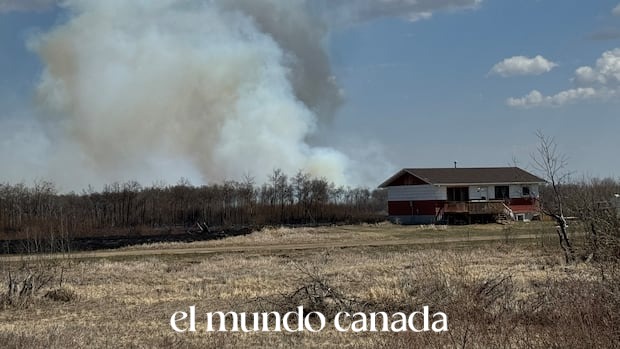
A man from Star Blanket Cree Nation in Saskatchewan now faces charges under the provincial Wildfire Act after an outdoor fire reportedly spiraled out of control. The File Hills First Nations Police Service confirmed the Saskatchewan wildfire charges stem from an incident that occurred on the reserve, marking another enforcement action during what officials describe as an increasingly dangerous fire season.
The charges highlight the serious legal consequences residents can face when fires escape containment on First Nations land. As Saskatchewan continues to battle dry conditions and elevated fire risks across the province, authorities are cracking down on preventable blazes that threaten communities and natural resources.
Details of the Wildfire Act Charges
What Happened on Star Blanket Cree Nation
According to the File Hills First Nations Police Service, officers responded to reports of an uncontrolled fire on Star Blanket Cree Nation territory. The blaze allegedly began as an outdoor fire but quickly grew beyond the individual’s control.
Investigators determined that the fire posed a significant risk to the surrounding area. After completing their investigation, police laid charges against the man under Saskatchewan’s Wildfire Act, which governs fire management and prevention across the province.
The specific section of the Wildfire Act cited in the charges relates to failing to adequately control or extinguish an open fire. This legislation gives authorities broad powers to regulate burning activities, particularly during periods of heightened fire danger.
The Role of File Hills First Nations Police
The File Hills First Nations Police Service serves several First Nations communities in the Treaty 4 territory, including Star Blanket Cree Nation. This police service operates under a unique framework that combines federal funding with community governance.
Officers with the File Hills service regularly enforce both federal and provincial laws on reserve lands. Wildfire prevention has become an increasingly important part of their duties as climate conditions create longer and more intense fire seasons.
The police service did not release the accused individual’s name in their public statement. Court proceedings will determine the outcome of the charges.
Understanding Saskatchewan’s Wildfire Act
Key Provisions and Penalties
Saskatchewan’s Wildfire Act establishes strict rules for anyone conducting outdoor burning activities. The legislation requires individuals to take reasonable precautions to prevent fires from spreading and to remain present until flames are completely extinguished.
Penalties under the act can include significant fines for individuals found guilty of causing or contributing to wildfires. In serious cases, courts may also order offenders to pay restitution for firefighting costs and property damage.
The provincial government has emphasized that these laws apply equally on Crown land, private property, and First Nations reserves. Enforcement agencies coordinate their efforts to ensure consistent application of fire safety regulations.
Fire Bans and Restrictions
During periods of elevated risk, Saskatchewan officials often implement fire bans and restrictions that prohibit most outdoor burning activities. These measures aim to prevent human-caused fires during dry, windy conditions when blazes can spread rapidly.
Residents must check current fire conditions before conducting any outdoor burning. The Saskatchewan Public Safety Agency maintains updated information about fire bans and danger ratings across different regions of the province.
Violating a fire ban carries additional penalties beyond standard Wildfire Act offenses. Authorities have shown little tolerance for individuals who ignore these restrictions.
Wildfire Risks in Saskatchewan First Nations Communities
Vulnerability of Remote Communities
Many First Nations communities in Saskatchewan face heightened vulnerability to wildfires due to their remote locations and limited firefighting resources. Evacuation can prove difficult and costly when fires threaten these areas.
Star Blanket Cree Nation is located in southern Saskatchewan’s File Hills area. While this region may have better access to emergency services than northern reserves, any uncontrolled fire still presents serious dangers to residents and property.
Community leaders across Saskatchewan have called for increased investment in fire prevention and emergency response capabilities. These efforts become more urgent as climate change extends fire seasons and creates more extreme burning conditions.
Prevention Efforts and Community Safety
Fire prevention education plays a crucial role in protecting Saskatchewan communities. Many First Nations have developed their own fire safety programs that combine traditional knowledge with modern prevention techniques.
The File Hills Qu’Appelle Tribal Council, which represents Star Blanket Cree Nation and other communities in the region, has supported various emergency management initiatives. These programs help communities prepare for and respond to natural disasters, including wildfires.
Enforcement actions like the current charges send a clear message about the importance of fire safety compliance. Officials hope that publicizing these cases will encourage others to exercise greater caution.
Legal Process and Next Steps
What the Accused Can Expect
The man charged in this incident will appear in court to answer to the Wildfire Act allegations. He will have the opportunity to enter a plea and present a defense.
If convicted, sentencing will depend on factors including the severity of the fire, any damage caused, and the individual’s prior record. Courts in Saskatchewan have imposed penalties ranging from modest fines to substantial financial consequences for Wildfire Act violations.
Legal representation is available through various channels, including Legal Aid Saskatchewan for those who qualify financially.
Broader Implications
This case underscores the serious approach Saskatchewan authorities are taking toward fire prevention enforcement. As the province experiences more frequent and severe wildfire seasons, officials have made clear their intention to hold individuals accountable for preventable blazes.
The charges also demonstrate that enforcement extends to all areas of the province, including First Nations reserves. Police services serving Indigenous communities play a vital role in this provincewide effort.
The Wildfire Act charges against a Star Blanket Cree Nation man serve as a stark reminder of the legal and safety consequences of uncontrolled fires. As Saskatchewan faces ongoing wildfire challenges, residents throughout the province must exercise extreme caution with any outdoor burning activities.
