


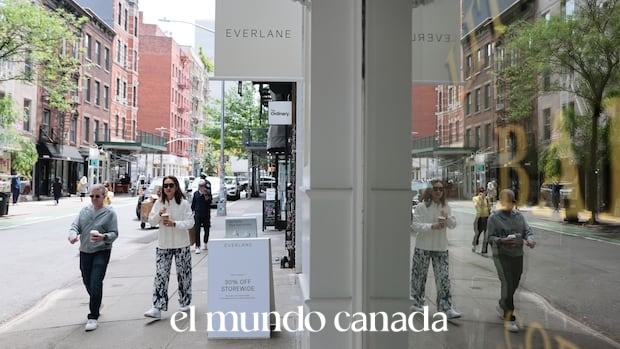
In a move that has sent shockwaves through the fashion industry, Shein has acquired Everlane, marking one of the most unexpected acquisitions in recent retail history. The ultra-fast fashion giant, known for its cheap clothing and controversial labor practices, has purchased the San Francisco-based brand that built its entire identity around ethical manufacturing and radical transparency.
The acquisition, announced this week, raises fundamental questions about the future of sustainable fashion and whether Everlane’s commitment to environmental responsibility can survive under new ownership. For consumers who specifically chose Everlane to avoid supporting fast fashion, the news feels like a betrayal of the brand’s core values.
The Details of the Shein-Everlane Deal
What We Know About the Acquisition
Shein’s parent company has officially completed the purchase of Everlane, though financial terms of the deal remain undisclosed. The Singapore-based fast fashion retailer has been expanding its portfolio aggressively, seeking to diversify beyond its core business model of trend-driven, disposable clothing.
According to reports, Everlane had been struggling financially in recent years despite its loyal customer base. The brand faced increasing competition from both traditional retailers adopting sustainability messaging and newer direct-to-consumer brands entering the ethical fashion space.
Shein representatives stated the company plans to maintain Everlane as a separate brand, preserving its identity and operational independence. However, industry analysts remain skeptical about whether this promise will hold long-term.
Why Shein Wanted Everlane
The acquisition appears strategic on multiple levels. Shein has faced mounting criticism over its environmental impact and labor conditions, with several countries investigating its supply chain practices. By acquiring a brand synonymous with sustainable fashion and ethical manufacturing, Shein gains instant credibility in a market segment it could never build organically.
Everlane’s established relationships with ethical factories and its expertise in transparent supply chains also provide valuable infrastructure. For Shein, this acquisition offers a potential roadmap for improving its own practices—or at least the appearance of doing so.
Everlane’s Rise and Struggles
Building a Brand on Transparency
Everlane launched in 2010 with a revolutionary promise: radical transparency. The company published the true costs of its products, revealed factory locations, and shared markup details that most fashion brands kept hidden. This approach resonated with millennials seeking alternatives to traditional retail.
The brand’s “Know your factories” campaign gave consumers unprecedented insight into where their clothes came from. Everlane partnered with ethical manufacturers worldwide and committed to eliminating virgin plastic from its supply chain by 2021.
Financial Challenges Behind the Scenes
Despite its strong brand identity, Everlane faced significant headwinds. The company laid off workers during the pandemic and faced criticism for alleged union-busting activities—accusations that tarnished its ethical image. Reports suggested the brand struggled to achieve profitability while maintaining its commitment to fair wages and sustainable materials.
Rising costs for ethical manufacturing, combined with consumers’ price sensitivity, created a challenging business environment. Competitors offering similar aesthetics at lower prices eroded Everlane’s market position, making the brand vulnerable to acquisition.
Industry Reactions and Consumer Response
Fashion Experts Weigh In
The fashion industry has responded to news that Shein buys Everlane with a mixture of disbelief and concern. Sustainability advocates view the acquisition as a troubling sign that ethical fashion brands cannot survive independently in the current market.
“This acquisition represents everything wrong with the fashion industry today,” one sustainability consultant told reporters. “A brand that stood for transparency is now owned by a company facing allegations of opacity in its supply chain.”
Others suggest the deal might force positive changes. Some analysts argue Shein’s ownership could provide Everlane with resources to scale its sustainable practices—though this optimistic view remains a minority opinion.
Social Media Backlash
Consumers have flooded social media with reactions ranging from disappointment to outrage. Many longtime Everlane customers expressed feeling betrayed, stating they chose the brand specifically to avoid supporting fast fashion. The hashtag #BoycottEverlane began trending within hours of the announcement.
Some customers reported immediately unsubscribing from Everlane emails and vowing never to purchase from the brand again. The acquisition highlights the deep emotional connection consumers formed with Everlane’s mission—and the sense of loss they feel watching it change hands.
What This Means for Sustainable Fashion
The Challenges Ethical Brands Face
The Everlane acquisition illuminates broader challenges facing the ethical fashion movement. Sustainable manufacturing costs more, and many consumers—despite expressing support for environmental causes—ultimately choose cheaper alternatives when making purchasing decisions.
This gap between stated values and actual buying behavior creates an impossible situation for brands committed to fair wages and sustainable materials. Without significant price premiums or scale advantages, ethical fashion companies struggle to compete with fast fashion giants.
Will Everlane’s Values Survive?
The critical question now is whether Everlane can maintain its sustainability commitments under Shein’s ownership. History suggests corporate acquisitions often dilute the original brand’s mission as new owners prioritize profitability.
Shein has pledged to operate Everlane independently, but financial pressures may eventually force compromises. Consumers and watchdog organizations will likely scrutinize every decision, watching for signs that Everlane’s ethical standards are slipping.
Looking Ahead: The Future of Conscious Consumerism
The news that Shein buys Everlane forces consumers to reckon with uncomfortable realities about sustainable shopping. Building and supporting truly ethical fashion brands requires more than good intentions—it demands sustained financial commitment from buyers willing to pay premium prices.
For those seeking alternatives, smaller independent sustainable brands continue operating with genuine ethical commitments. Consumers can also explore secondhand shopping, clothing swaps, and simply buying less.
