


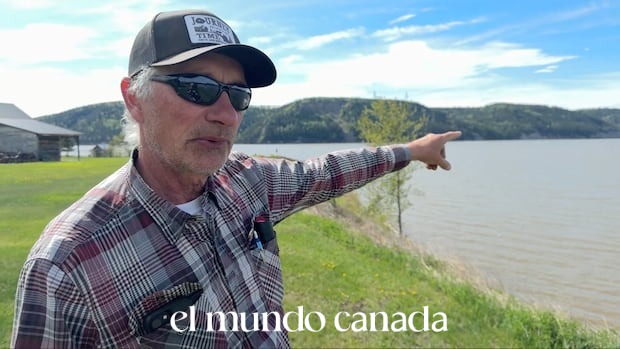
The British Columbia government’s decision to name the Site C dam reservoir after former Premier John Horgan has ignited a firestorm of criticism across northeast B.C. communities. The Site C dam naming controversy has united Indigenous leaders, local residents, and environmental advocates in rare collective opposition to what many view as a tone-deaf tribute.
Premier David Eby announced the reservoir would be called “Dreamer Lake” in honor of Horgan, who passed away in November 2023 after a battle with cancer. However, residents who lost their land, livelihoods, and heritage to the massive hydroelectric project say the gesture feels like salt in an open wound.
Community Leaders Express Shock and Anger
The reaction from Peace River Valley communities has been swift and scathing. Local officials and longtime residents describe feeling blindsided by the announcement, which they learned about through media reports rather than direct consultation.
Ken Forest, a Fort St. John resident whose family lost farmland to the project, told reporters the naming decision demonstrates a fundamental disconnect between Victoria and northern communities. Many residents spent years fighting the dam’s construction, attending hearings, and pleading with government officials to reconsider the project’s environmental and social impacts.
The Site C hydroelectric dam represents one of the largest infrastructure projects in British Columbia’s history. Construction began in 2015, and the project has faced persistent criticism over budget overruns, environmental damage, and the displacement of families who had farmed the Peace River Valley for generations.
Indigenous Nations Condemn the Decision
First Nations leaders have voiced particularly strong objections to the Dreamer Lake designation. The dam’s reservoir flooded territories that hold profound cultural and spiritual significance for Treaty 8 First Nations, including burial sites, hunting grounds, and areas used for traditional practices for thousands of years.
Chief Roland Willson of the West Moberly First Nations called the naming decision “a slap in the face” to Indigenous communities who opposed the project from its inception. Treaty 8 nations launched multiple legal challenges against Site C, arguing the dam violated their constitutionally protected rights.
The flooding of the Peace River Valley destroyed archaeological sites dating back 12,000 years. Indigenous leaders say naming the reservoir after the premier who pushed the project forward compounds the trauma their communities have experienced.
John Horgan’s Complicated Legacy on Site C
Former Premier John Horgan inherited the Site C project from the previous Liberal government but made the controversial decision to proceed with construction in December 2017. At the time, the NDP leader acknowledged the project was already over budget and behind schedule but argued that cancellation costs made completion the only viable option.
That decision fractured Horgan’s relationship with environmental groups and Indigenous allies who had supported his party’s election campaign. Many felt betrayed by his choice to continue a project his party had previously criticized.
Horgan remained a polarizing figure in northeast B.C. until his death. While supporters praised his leadership during the COVID-19 pandemic and his advocacy for working families, Peace Valley residents remember him primarily for greenlighting a project that transformed their landscape forever.
The dam began generating power in 2024, though the project’s final cost ballooned to approximately $16 billion — nearly triple the original estimate of $6.6 billion.
Provincial Government Defends the Tribute
Premier David Eby defended the naming decision, describing Horgan as a visionary leader who made difficult choices for British Columbia’s energy future. Government officials emphasized that the name “Dreamer Lake” reflects Horgan’s optimism and forward-thinking approach to governance.
However, critics note the government failed to consult with affected communities before announcing the designation. This lack of engagement mirrors complaints lodged throughout the dam’s construction process, when residents frequently accused BC Hydro and provincial officials of dismissing their concerns.
The B.C. Geographical Names Office typically requires extensive consultation before approving place name designations, particularly for locations with Indigenous cultural significance. Questions remain about what consultation process, if any, preceded this announcement.
Environmental Groups Join the Opposition
Environmental advocates have added their voices to the growing chorus of criticism. Organizations that fought Site C for over a decade say the naming decision ignores the project’s devastating ecological consequences.
The dam’s reservoir flooded approximately 5,500 hectares of land, including some of the most productive farmland in northern British Columbia. The Peace River Valley’s unique microclimate supported agricultural operations that cannot be replicated elsewhere in the region.
Wildlife habitat destruction, impacts on fish populations, and the loss of carbon-sequestering forests represent lasting environmental costs that critics say deserve acknowledgment rather than celebration.
The Peace Valley Environment Association, which led opposition efforts for years, issued a statement calling the tribute “profoundly inappropriate” given the ongoing environmental monitoring concerns at the project site.
What Happens Next?
The provincial government has not indicated whether it will reconsider the naming decision despite the backlash. Affected communities are exploring options to formally challenge the designation through the geographical naming process.
Some residents have suggested alternative names that would honor the valley’s history, Indigenous heritage, or the families displaced by construction. Others argue no celebratory name is appropriate for a reservoir created through forced land expropriations.
The Site C dam naming controversy highlights deeper tensions between provincial energy policy and the communities bearing its costs. As British Columbia pursues ambitious clean energy goals, this conflict serves as a reminder that infrastructure decisions carry human consequences extending far beyond construction timelines and budget spreadsheets.
For Peace River Valley residents, the wound remains fresh. They continue advocating for recognition of what they lost — and the naming announcement has only strengthened their resolve.
