


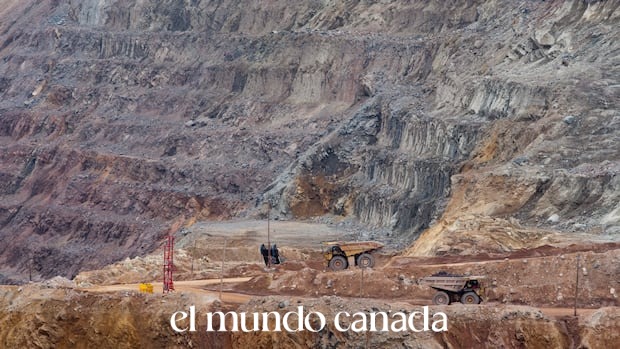
For more than a decade, one of the world’s largest steel companies discharged contaminated water into Quebec’s rivers and lakes while regulatory authorities watched. The ArcelorMittal Quebec mine pollution case has finally resulted in a historic $100 million fine, but critics are demanding answers about why enforcement took so long.
The penalty, announced in May 2025, marks one of the largest environmental fines in Canadian history. Yet the prolonged timeline between the first violations and the final judgment raises serious questions about Quebec’s ability to hold corporate polluters accountable.
A Timeline of Environmental Violations
ArcelorMittal, the Luxembourg-based steel and mining giant, operates iron ore mines on Quebec’s North Shore. The company’s Mont-Wright and Fire Lake facilities sit in a remote region rich in natural resources—and fragile ecosystems.
Provincial authorities first documented water contamination violations in 2011. Despite repeated warnings, the company continued releasing polluted discharge into surrounding waterways for approximately 14 years.
The contaminated water contained elevated levels of suspended solids and other pollutants that threatened fish habitats and downstream water quality.
Court documents reveal that ArcelorMittal accumulated over 200 separate environmental infractions during this period. Each violation represented a failure to meet Quebec’s environmental standards—standards designed to protect the province’s abundant freshwater resources.
The $100 Million Settlement Explained
The final settlement includes both fines and mandatory environmental remediation investments. Quebec’s Environment Ministry confirmed the agreement represents the largest penalty ever imposed on a mining company in the province.
Under the terms, ArcelorMittal must:
- Pay substantial monetary penalties to provincial coffers
- Invest in upgraded water treatment infrastructure
- Implement enhanced environmental monitoring systems
- Fund ecosystem restoration projects in affected areas
Company representatives stated they accept responsibility and have committed to achieving full regulatory compliance. ArcelorMittal emphasized ongoing investments in environmental technology at their Quebec operations.
However, environmental advocates argue the fine amounts to a fraction of the company’s global revenues, which exceeded $68 billion USD in recent fiscal years.
Why Enforcement Took Over a Decade
The extended timeline between initial violations and meaningful penalties highlights systemic weaknesses in Quebec’s environmental enforcement framework. Several factors contributed to the delay.
Limited Inspection Resources
Quebec’s Environment Ministry has long faced criticism for inadequate staffing levels. Remote mining operations like those on the North Shore receive infrequent inspections, allowing violations to accumulate before authorities intervene.
Provincial auditor reports have repeatedly flagged understaffing in environmental compliance divisions as a critical vulnerability.
Complex Legal Proceedings
Environmental prosecutions in Canada often involve lengthy legal battles. Companies with substantial legal resources can extend proceedings through appeals, procedural challenges, and negotiated settlements.
In the ArcelorMittal case, legal negotiations spanned multiple years before reaching the final agreement. Critics argue this timeline favors well-resourced corporations over environmental protection.
Economic Considerations
Mining operations represent significant economic contributors to remote Quebec communities. The Mont-Wright facility employs hundreds of workers in a region with limited alternative employment opportunities.
This economic reality creates political pressure to avoid aggressive enforcement actions that might threaten jobs or investment. Environmental groups contend this dynamic enables regulatory capture—where economic interests overshadow environmental mandates.
Environmental Impact on Quebec’s North Shore
The prolonged pollution affected waterways in one of Quebec’s most pristine wilderness regions. The North Shore contains critical habitat for native fish species, including brook trout and Atlantic salmon populations.
Suspended solids discharged from mining operations can smother fish spawning grounds, reduce water clarity, and disrupt aquatic food chains. Long-term contamination may require years of natural recovery even after pollution stops.
Indigenous communities in the region have expressed particular concern. First Nations groups depend on these waterways for traditional fishing practices and have called for greater consultation in mining oversight.
Scientists from Quebec universities have documented measurable impacts on aquatic ecosystems downstream from the mining operations. However, comprehensive long-term studies remain limited due to the remote location.
Industry Response and Future Implications
The mining industry in Quebec is watching this case closely. The unprecedented fine size signals potentially stricter enforcement ahead.
The Quebec Mining Association acknowledged the importance of environmental compliance while cautioning against penalties that might discourage investment. The province relies heavily on mining sector revenues and jobs, particularly in northern regions.
Other mining companies operating in Quebec have reportedly accelerated environmental compliance reviews following the ArcelorMittal settlement. Industry analysts suggest the case may prompt voluntary infrastructure upgrades industry-wide.
Provincial officials indicated the settlement establishes a new benchmark for environmental accountability. Future violations at any mining operation may face similarly aggressive prosecution.
Calls for Regulatory Reform
Environmental organizations are using this case to advocate for systemic changes in Quebec’s approach to industrial pollution.
Proposed reforms include:
- Increased inspection frequency for high-risk operations
- Mandatory real-time water quality monitoring with public reporting
- Escalating penalty structures that impose progressively larger fines for repeat violations
- Faster administrative enforcement pathways that bypass lengthy court proceedings
The Quebec government has signaled openness to reviewing environmental enforcement procedures. However, no specific legislative changes have been announced as of May 2025.
Federal environmental authorities may also face pressure to strengthen oversight of interprovincial waterways affected by mining operations.
Conclusion
The ArcelorMittal Quebec mine pollution case demonstrates both the potential for meaningful corporate accountability and the troubling delays that often precede it. A $100 million fine sends a powerful message, but 14 years of documented violations raises legitimate questions about regulatory effectiveness. As Quebec balances economic development with environmental protection, this landmark case may reshape how the province approaches industrial pollution enforcement. Citizens, Indigenous communities, and environmental advocates must remain vigilant to ensure these lessons translate into lasting change.
