


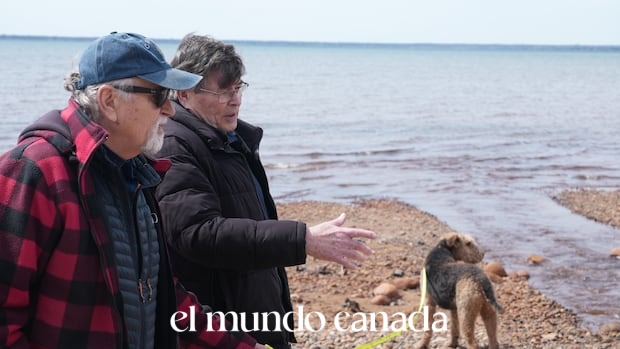
Residents near the Sault Ste. Marie Airport in Ontario are grappling with a growing environmental crisis as PFAS contamination spreads through their drinking water supplies. These forever chemicals, linked to firefighting foam used at airports across Canada, have left families questioning the safety of their homes and fearing long-term health consequences for future generations.
The discovery of per- and polyfluoroalkyl substances in private wells has transformed quiet rural properties into potential health hazards. As affected Canadians demand answers, this contamination crisis highlights broader concerns about PFAS pollution at airports nationwide.
What Are PFAS and Why Are They Called Forever Chemicals?
Per- and polyfluoroalkyl substances (PFAS) represent a group of thousands of synthetic chemicals manufactured since the 1940s. Industries prize these compounds for their resistance to heat, water, and oil. However, this durability creates a devastating environmental problem.
PFAS molecules do not break down naturally in the environment. They persist in soil, water, and human bodies for decades. Scientists have linked PFAS exposure to numerous health conditions, including certain cancers, thyroid disease, immune system dysfunction, and reproductive issues.
Airports commonly used aqueous film-forming foam (AFFF) containing PFAS for fire suppression and training exercises. When this foam contacts the ground, chemicals seep into soil and eventually reach groundwater systems.
Sault Ste. Marie Residents Discover Contaminated Wells
Homeowners living near the Sault Ste. Marie Airport received alarming news when testing revealed elevated PFAS levels in their private wells. The contamination stems from decades of firefighting foam use at the airport facility.
For many families, this discovery shattered their sense of security. Properties purchased as safe havens for raising children now carry invisible threats. Residents report feeling betrayed by authorities who knew about potential contamination risks but failed to warn nearby communities promptly.
“We built our lives here,” one affected resident explained to local media. “Now we wonder what we’ve been drinking all these years.”
The situation reflects a pattern emerging across Canada, where communities near airports, military bases, and industrial sites discover similar groundwater contamination.
Health Concerns Mount for Affected Families
The health implications of prolonged PFAS exposure weigh heavily on Sault-area residents. Parents express particular concern about children who may have consumed contaminated water during critical developmental stages.
Medical research continues revealing connections between PFAS and serious health conditions. Studies document associations with:
- Kidney and testicular cancers
- Elevated cholesterol levels
- Decreased vaccine effectiveness
- Pregnancy complications
- Developmental delays in children
Affected residents now face difficult decisions about medical monitoring and testing. Many question whether symptoms they attributed to other causes might actually stem from chemical exposure through their drinking water.
The uncertainty compounds emotional distress. Without clear answers about exposure duration and concentration levels, families cannot fully assess their health risks.
Government Response and Accountability Questions
Federal and provincial authorities face mounting pressure to address PFAS contamination comprehensively. Critics argue that government responses have been slow and inadequate given the severity of health risks involved.
Transport Canada oversees airport operations where firefighting foam contamination originated. The department has acknowledged PFAS issues at various Canadian airports but faces criticism for communication delays with affected communities.
Provincial environmental agencies bear responsibility for drinking water safety and contamination remediation. However, jurisdictional complexity sometimes leaves residents caught between federal and provincial authorities, each pointing to the other’s responsibilities.
Affected homeowners demand several concrete actions:
- Immediate provision of alternative water supplies
- Comprehensive health monitoring programs
- Property value compensation
- Full environmental remediation
- Transparent communication about contamination extent
The Broader PFAS Crisis Across Canada
The Sault Ste. Marie situation represents just one example of PFAS pollution affecting Canadian communities. Similar contamination has emerged near military bases, airports, and industrial facilities across the country.
Environment and Climate Change Canada has begun developing national guidelines for PFAS in drinking water. However, advocates argue that regulatory frameworks lag behind scientific understanding of these chemicals’ dangers.
Other countries have implemented stricter PFAS regulations. The European Union has proposed comprehensive bans on PFAS manufacturing and use. The United States Environmental Protection Agency recently established enforceable drinking water limits for several PFAS compounds.
Canadian environmental groups urge federal authorities to accelerate regulatory action. They emphasize that current voluntary guidelines provide insufficient protection for vulnerable communities.
What Affected Residents Can Do Now
Families concerned about PFAS exposure have several immediate options. Testing private wells provides essential baseline information about contamination levels. Provincial health authorities can direct residents to certified laboratories capable of detecting these chemicals.
Water filtration systems using activated carbon or reverse osmosis technology can reduce PFAS concentrations in drinking water. However, standard filters may not effectively remove all PFAS compounds. Residents should verify that any filtration system meets NSF International standards for PFAS reduction.
Medical consultations allow individuals to discuss exposure concerns with healthcare providers. While no medical treatment removes PFAS from the body, doctors can recommend appropriate monitoring based on exposure history.
Community organizing has proven effective in similar contamination cases. Affected residents who coordinate their advocacy efforts often achieve faster government responses and better remediation outcomes.
The PFAS contamination crisis near Sault Ste. Marie Airport underscores urgent questions about environmental accountability and public health protection in Canada. Affected families deserve swift action, transparent communication, and comprehensive support as they navigate this situation. As forever chemicals continue surfacing in communities nationwide, Canadians must demand stronger regulations and faster remediation to protect current and future generations from these persistent pollutants.
