


The NBA’s board of governors has officially approved sweeping NBA draft lottery changes designed to combat tanking, marking one of the most significant structural reforms to the league’s player selection process in years. According to multiple reports emerging on May 28, 2025, the new rules aim to eliminate the competitive advantage teams gain by intentionally losing games during the regular season.
This landmark decision addresses a persistent issue that has frustrated fans, players, and league officials for decades. The changes represent the NBA’s most aggressive attempt yet to ensure competitive integrity while maintaining a fair system for struggling franchises to rebuild through the draft.
What the New Anti-Tanking Rules Include
Revised Lottery Odds Structure
The approved changes fundamentally alter how the NBA determines draft lottery odds. Under the new system, teams will no longer benefit from finishing with the worst record in the league to the same degree they previously did.
Reports indicate the reforms build upon the 2019 lottery modifications, which flattened the odds for the bottom three teams. The latest adjustments go further by implementing additional measures that reduce the correlation between regular-season losses and lottery positioning.
The board’s decision follows extensive discussions among team owners, general managers, and league executives who recognized that the previous system inadvertently rewarded organizations for fielding uncompetitive rosters.
Performance-Based Incentives
One of the most notable aspects of the draft lottery changes involves introducing performance-based incentives for teams in the lottery pool. While specific details continue to emerge, reports suggest the new framework rewards teams that show improvement during the second half of the season.
This approach targets the common practice of teams shutting down healthy players or making roster moves specifically designed to maximize losses once playoff hopes fade. The NBA hopes these incentives will encourage organizations to compete throughout the entire 82-game schedule.
Why the NBA Targeted Tanking Now
Growing Fan Frustration
League officials have acknowledged that tanking undermines the fan experience and damages the NBA’s brand. Supporters who purchase tickets and merchandise expect their teams to compete, regardless of playoff positioning.
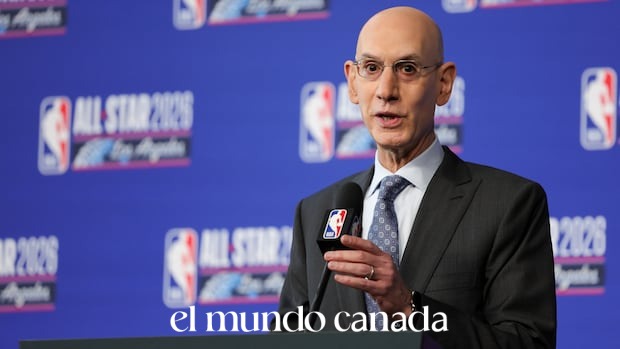
Commissioner Adam Silver and other league leaders have spoken publicly about the need to address intentional losing. The anti-tanking measures respond directly to years of criticism from media members, former players, and basketball analysts who argued the previous system created perverse incentives.
Competitive Balance Concerns
Beyond fan sentiment, the NBA recognized that tanking creates an uneven competitive landscape. Teams willing to endure multiple losing seasons gained significant advantages in acquiring top talent, while organizations committed to competing faced longer rebuild timelines.
The new rules aim to level this playing field by ensuring that draft positioning reflects genuine team quality rather than strategic losing. This change should theoretically create more balanced competition across the league.
How Teams Are Responding
Front Office Adjustments
General managers across the league must now recalibrate their long-term planning strategies. The traditional tear-down rebuild model becomes significantly less attractive under the new lottery structure.
Teams previously comfortable with multi-year losing campaigns will need to explore alternative paths to acquiring star talent. This shift could increase trade activity and free-agent competition as organizations seek shortcuts to contention.
Player Impact
NBA players have largely welcomed news of the lottery reform. Veterans often express frustration when organizations prioritize draft positioning over winning, leading to reduced playing time and diminished career statistics.
The changes should create more opportunities for players on rebuilding teams to showcase their abilities in competitive environments. This development benefits both individual careers and overall league quality of play.
Historical Context of Draft Lottery Reforms
Previous Attempts to Address Tanking
The NBA has modified its lottery system multiple times since introducing the format in 1985. The league implemented significant changes in 2019, flattening odds so the three worst teams shared identical chances at the top pick.
Those reforms produced mixed results. While they reduced the incentive for finishing dead last, teams still benefited substantially from poor records. The latest changes represent a more comprehensive approach to the problem.
Lessons from Other Leagues
The NBA’s decision reflects broader trends in professional sports toward discouraging intentional losing. Other leagues, including the NHL, have experimented with various lottery formats to address similar concerns.
What Happens Next
Implementation Timeline
Reports indicate the new rules will take effect beginning with the 2026 NBA Draft. This timeline gives teams one full season to adjust their strategies and roster construction approaches.
The league will monitor results closely and reserves the right to make additional modifications if the changes fail to achieve their intended goals. NBA leadership has emphasized flexibility in addressing competitive integrity issues.
Long-Term Implications
These NBA draft lottery changes could reshape how franchises approach rebuilding for years to come. The traditional model of accumulating high draft picks through losing may give way to more creative roster-building strategies.
Fans should expect increased competition throughout the regular season as teams no longer benefit from late-season collapses. This outcome aligns with the NBA’s stated goal of delivering entertaining basketball from October through April.
The NBA’s board of governors has taken decisive action against tanking by approving comprehensive draft lottery reforms. These changes signal the league’s commitment to competitive integrity and respond to years of criticism about intentional losing. As teams adapt their strategies, fans can anticipate more meaningful regular-season games and a fairer system for distributing top draft talent.
