


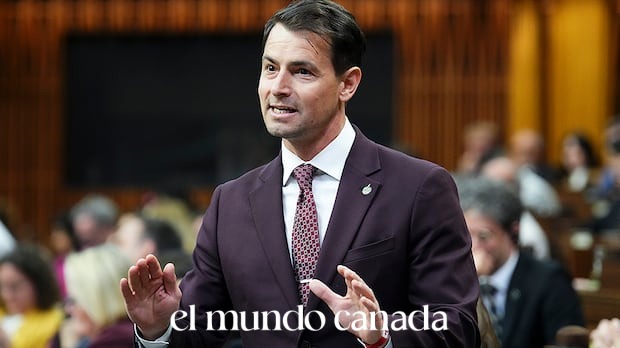
The federal government has announced a significant commitment to Indigenous sport funding Canada has long needed, unveiling a $22.8 million investment to support Indigenous athletes and community sport programs across the country. This funding represents a major step toward addressing systemic barriers that have historically limited Indigenous participation in organized sports.
The announcement comes at a critical time when Indigenous communities continue to advocate for equitable access to athletic opportunities. The investment aims to strengthen grassroots programming, support elite athlete development, and preserve traditional Indigenous games that hold deep cultural significance.
Breaking Down the $22.8 Million Investment
Where the Money Will Go
The federal funding package targets multiple levels of Indigenous sport development, from community recreation to high-performance athletics. The investment will flow through established Indigenous sport organizations that have demonstrated expertise in delivering culturally appropriate programming.
Key funding areas include:
- Community sport programs in First Nations, Métis, and Inuit communities
- Athlete development pathways for Indigenous youth pursuing competitive sports
- Traditional Indigenous games preservation and promotion
- Coaching and leadership training for Indigenous sport professionals
- Infrastructure support for underserved communities
This multi-pronged approach recognizes that sustainable sport development requires investment at every level of the athletic pipeline.
Organizations Set to Benefit
The Aboriginal Sport Circle, recognized as the national voice for Indigenous sport in Canada, will play a central role in distributing and managing portions of this funding. Provincial and territorial Indigenous sport bodies will also receive support to deliver region-specific programming.
These organizations have spent decades building capacity within Indigenous communities, often operating with limited resources. The new federal investment acknowledges their expertise and provides much-needed financial stability.
Why This Investment Matters Now
Addressing Historical Inequities
Indigenous peoples in Canada have faced systemic barriers to sport participation for generations. Geographic isolation, inadequate facilities, and lack of funding have created significant gaps between Indigenous and non-Indigenous sport opportunities.
According to recent studies, Indigenous youth participate in organized sports at lower rates than their non-Indigenous peers. This disparity extends to coaching, officiating, and sport leadership positions, where Indigenous representation remains disproportionately low.
The $22.8 million investment represents a tangible commitment to closing these gaps. However, advocates note that sustained, long-term funding will be necessary to create lasting change.
Building on Reconciliation Commitments
This funding announcement aligns with broader reconciliation efforts between the Canadian government and Indigenous peoples. Sport has been identified as a powerful tool for community building, youth engagement, and cultural preservation.
The Truth and Reconciliation Commission’s Calls to Action specifically addressed the need for increased support for Indigenous sport programming. This investment responds directly to those recommendations, demonstrating how sport policy can advance reconciliation goals.
Indigenous leaders have emphasized that sport programs do more than promote physical health. They strengthen cultural identity, build community connections, and create pathways to education and employment opportunities.
Impact on Indigenous Athletes and Communities
Supporting the Next Generation
Young Indigenous athletes stand to benefit significantly from expanded programming and resources. The funding will help create clear development pathways from community recreation to provincial and national competition.
High-performance athletes will gain access to better training facilities, coaching, and competition opportunities. Meanwhile, grassroots programs will reach more children in remote and underserved communities where sport options have been limited.
The investment also prioritizes culturally relevant programming that incorporates traditional Indigenous values and practices. This approach recognizes that effective sport development must respect and reflect Indigenous cultures.
Preserving Traditional Games
Beyond mainstream sports, the funding supports preservation and promotion of traditional Indigenous games. These activities carry profound cultural significance and offer alternatives to Western sport models.
Games like lacrosse, which originated with Indigenous peoples, represent both athletic excellence and cultural heritage. The funding will help communities maintain these traditions while introducing them to broader audiences.
Expert Perspectives on the Announcement
Community Leaders Respond
Indigenous sport leaders have welcomed the announcement while emphasizing the need for continued investment. They stress that meaningful change requires sustained commitment rather than one-time funding injections.
Community advocates highlight how sport programs create positive outcomes beyond athletics. Youth involved in organized sports show improved school attendance, reduced substance use, and stronger connections to their cultural identity.
Looking at Long-Term Sustainability
While the $22.8 million investment represents significant progress, observers note that sustainable funding models remain essential. Indigenous sport organizations have historically operated with uncertainty about year-to-year budgets.
The federal government has indicated this investment reflects ongoing commitment to Indigenous sport development. However, accountability measures and clear outcome metrics will be crucial for demonstrating impact and securing future funding.
What Comes Next
Implementation Timeline
Funding distribution will begin in the coming months, with Indigenous sport organizations working to develop and expand programming. Communities can expect to see new opportunities emerge over the next one to two years as investments translate into concrete programs.
The government has committed to working directly with Indigenous partners to ensure funding reaches communities effectively. This collaborative approach aims to avoid past pitfalls where well-intentioned programs failed to meet community needs.
Measuring Success
Success metrics will likely include participation rates, athlete development outcomes, and community engagement levels. However, Indigenous leaders emphasize that qualitative measures—including cultural preservation and community wellbeing—must also guide evaluation.
The investment creates an opportunity to demonstrate how Indigenous sport programs deliver meaningful returns for communities and the broader Canadian sport system.
The federal government’s $22.8 million investment in Indigenous sport funding Canada desperately needed marks a significant milestone in addressing longstanding inequities. This funding will strengthen community programs, support emerging athletes, and help preserve traditional Indigenous games for future generations. While challenges remain, this commitment signals important progress toward reconciliation through sport. Indigenous communities, sport organizations, and government partners must now work together to ensure these resources create lasting, positive change.
