


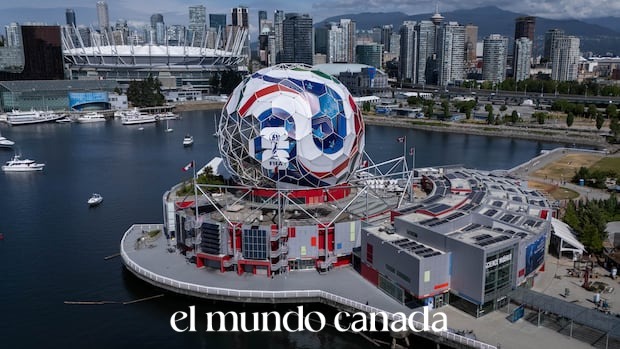
The 2026 FIFA World Cup is fast approaching, and fans across North America are scrambling to secure their seats. However, World Cup ticket prices have sparked intense debate, particularly regarding the steep costs facing local residents in host cities. As the tournament prepares to kick off across Canada, Mexico, and the United States, many are questioning whether ordinary fans can actually afford to attend.
FIFA’s pricing structure has created a two-tiered system that leaves many local supporters feeling priced out of their own backyard event. Understanding how these costs break down reveals a troubling pattern for soccer enthusiasts hoping to witness history in person.
The Reality of FIFA’s Pricing Structure
FIFA has implemented a complex ticketing system for the 2026 World Cup that varies significantly based on match importance, stadium location, and seat category. Group stage matches represent the most affordable entry point, yet even these budget-friendly options carry substantial price tags.
For Category 3 seats—the cheapest available—fans can expect to pay several hundred dollars per ticket. Premium matches, including knockout rounds and the final, command prices reaching into the thousands. This pricing approach mirrors previous tournaments but feels particularly jarring given the economic pressures many North American families currently face.
The tournament’s expansion to 48 teams means more matches than ever before, theoretically increasing ticket availability. However, demand continues to far outstrip supply, especially for matches featuring popular national teams.
How Local Residents Are Affected
Residents of host cities face a unique predicament when it comes to World Cup ticket prices. While they bear the infrastructure costs, traffic disruptions, and economic displacement that major sporting events bring, they often struggle to afford attendance.
Canadian host cities like Toronto and Vancouver have seen significant interest from local soccer communities. Yet the combination of ticket costs, currency exchange considerations, and additional expenses creates barriers that many families simply cannot overcome.
Transportation and accommodation costs compound the problem for fans traveling between venues. Even locals attending matches in their home city must contend with surge pricing from rideshare services, increased parking fees, and inflated food and beverage prices within stadium zones.
Comparing Prices Across Host Nations
The 2026 World Cup’s tri-nation format creates interesting price dynamics across different markets. Matches held in the United States generally command higher prices due to larger stadium capacities and stronger corporate hospitality demand.
Canadian venues offer slightly different economics. The country’s passionate soccer fanbase, bolstered by recent national team success, has driven intense demand. However, the relatively smaller stadium capacities mean fewer tickets available overall.
Mexican host cities present perhaps the most accessible option for budget-conscious fans. Lower operational costs and favorable exchange rates for visitors make these venues attractive alternatives for price-sensitive supporters seeking the World Cup experience.
Estimated Ticket Price Ranges
- Group Stage: Category 3 seats range from $300-400 USD, Category 1 seats from $700-1,100 USD
- Round of 16: Category 3 seats range from $400-500 USD, Category 1 seats from $1,000-1,500 USD
- Final: Category 3 seats start at $600+ USD, Category 1 seats at $2,000+ USD
The Secondary Market Problem
Official FIFA prices tell only part of the story. The secondary ticket market has exploded with resellers offering seats at dramatic markups, sometimes reaching five to ten times face value.
This gray market creates additional challenges for local fans. Those unable to secure tickets through official channels must choose between paying inflated prices or missing the tournament entirely. Consumer protection varies significantly across jurisdictions, leaving buyers vulnerable to scams and counterfeit tickets.
FIFA has attempted to combat unauthorized resales through identity verification and ticket transfer restrictions. However, determined scalpers continue finding workarounds, perpetuating a system that favors wealthy buyers over dedicated local supporters.
What Organizers Are Doing to Help
FIFA and local organizing committees have acknowledged affordability concerns and implemented several programs aimed at improving access for local residents.
Ticket lottery systems theoretically provide equal opportunity regardless of financial resources, though winning remains largely a matter of luck. Some host cities have negotiated allocations specifically reserved for residents, though details on these programs remain limited.
Youth and family packages offer modest discounts for certain matches, attempting to make the tournament more accessible to the next generation of fans. Community viewing events in host cities provide free alternatives for those unable to attend in person.
Corporate sponsors have also released limited promotional ticket giveaways through social media campaigns and local partnerships. While these programs generate positive publicity, they represent a tiny fraction of overall ticket inventory.
Planning Your World Cup Budget
Fans serious about attending should prepare comprehensive budgets that extend well beyond ticket costs alone. Realistic planning requires accounting for numerous additional expenses that quickly accumulate.
Consider allocating funds for transportation, including flights, ground transportation, and parking. Accommodation costs in host cities will spike dramatically during tournament dates, making early booking essential. Food, merchandise, and incidental expenses can easily double expected spending.
Travel insurance represents a wise investment given the significant financial commitment involved. Flexibility regarding match selection can yield savings, as less marquee matchups often carry lower price points while still delivering authentic World Cup atmosphere.
The Bigger Picture for Soccer Accessibility
The debate over World Cup ticket prices reflects broader questions about sports accessibility in the modern era. Major sporting events increasingly cater to corporate clients and wealthy tourists while pricing out the passionate local fans who form the cultural backbone of the sport.
This tension shows no signs of resolving as FIFA continues prioritizing revenue maximization. Future tournaments may face even steeper prices as demand from emerging markets grows and infrastructure costs escalate.
For now, local fans must weigh their options carefully, balancing the once-in-a-lifetime opportunity against very real financial constraints. Those fortunate enough to attend will witness sporting history, while millions more will experience the tournament through screens rather than stadium seats.
Planning to attend the 2026 World Cup? Start researching official ticketing windows now and set realistic budget expectations to avoid disappointment as the tournament approaches.
