


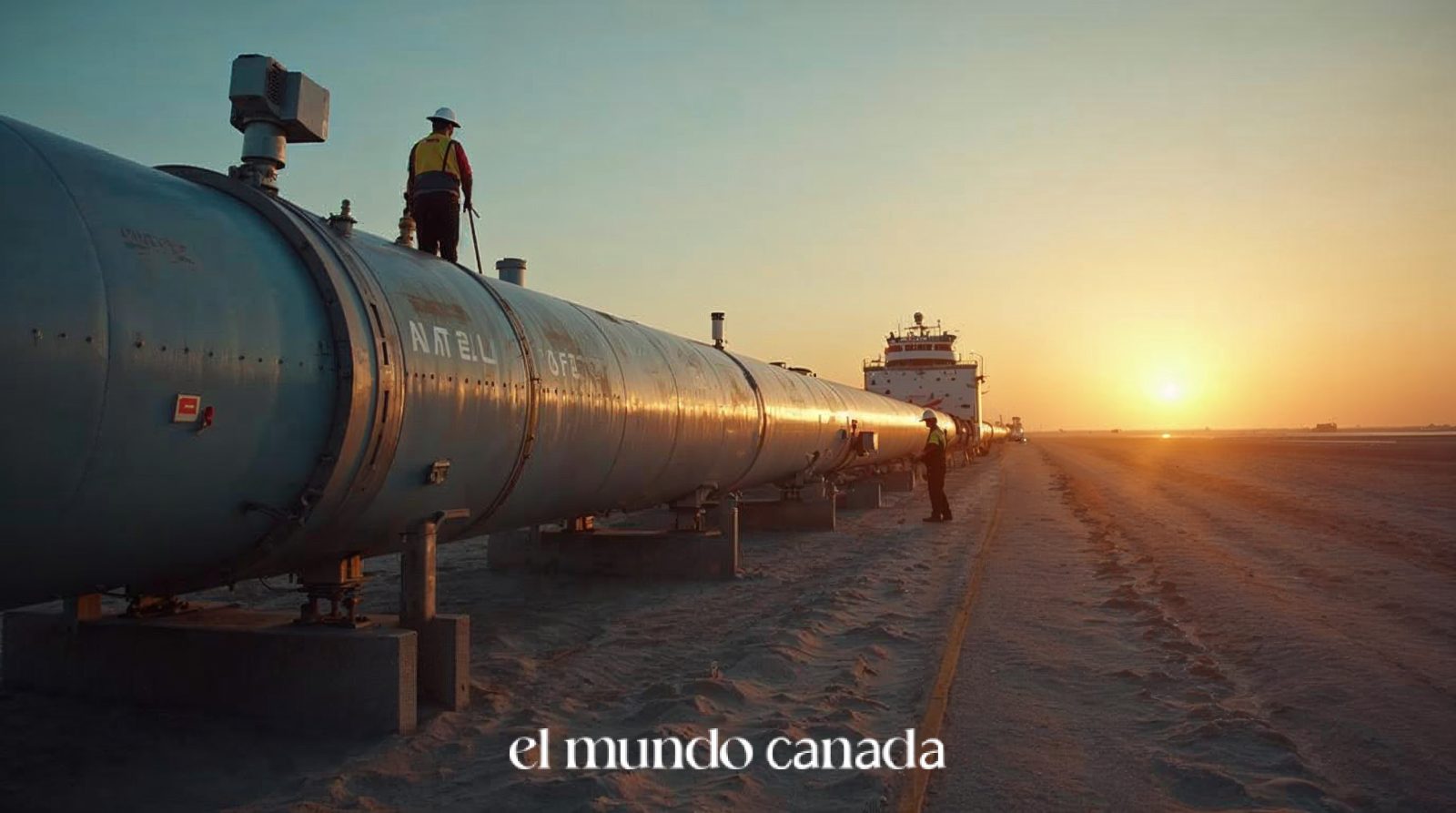
Oil prices experienced significant volatility this week as Saudi Arabia revealed it has developed alternative export routes to compensate for a critical pipeline closure, calming fears of another major disruption to global energy supplies. Understanding these global oil market dynamics is crucial for Canadians, particularly the Latino community working in the energy sector and those managing household budgets affected by fuel prices.
The kingdom is now routing additional crude cargoes through the Strait of Hormuz using ship-to-ship transfers near Oman’s Sohar port, according to energy market analysts. This strategic pivot comes after crude loadings at Saudi Arabia’s Red Sea export terminal at Yanbu faced disruptions, forcing Riyadh to adjust some shipments to European customers.
How Global Oil Disruptions Affect Canadian Families
For the Latino community in Canada, particularly those in Alberta and Saskatchewan where many work in the oil and gas industry, global crude price movements have direct implications. When international oil prices fluctuate, Canadian energy sector employment and investment decisions are affected, impacting thousands of Latino workers and their families across the country.
Canadian consumers should expect fuel price adjustments at the pump within two to three weeks of major global crude market movements. For families planning fall travel, carpooling arrangements, or those working in transportation and delivery services—sectors where many Latino immigrants find employment—monitoring these trends can help with budget planning.
Energy market analysts note that global oil supply disruptions, even when temporary, create ripple effects that Canadian families feel at gas stations and grocery stores within weeks.
International Response to Supply Concerns
U.S. Government officials have been working closely with Saudi Arabia to address supply disruptions. U.S. Energy Secretary Chris Wright has provided reassurances that pipeline outages tend to be brief and temporary interruptions measured in days rather than weeks.
This coordination between major oil-producing allies demonstrates the strategic importance of maintaining stable global oil supplies amid ongoing Middle East tensions. For Canada, which maintains close energy cooperation with the United States, these diplomatic efforts help stabilize North American energy markets.
Canada’s Position as Energy Producer
Canada, as a major oil producer, occupies a unique position during global supply disruptions. While elevated global prices can benefit Canadian energy sector revenues—creating jobs and investment opportunities in provinces like Alberta—they simultaneously increase costs for Canadian consumers and businesses.
The Latino community working in Canadian oil fields, refineries, and related industries should understand that global price volatility often translates to overtime opportunities but also potential project delays depending on market conditions. Workers with transferable skills in the energy sector remain in demand as companies adjust to changing global dynamics.
Market analysts on North American implications suggest that energy market uncertainty regarding escalation paths in oil-producing regions, along with crude prices staying at elevated levels, could fuel concerns about monetary policy and inflation in both the U.S. and Canada.
Inflation Risks and Household Budgets
Energy analysts caution that renewed escalation causing deeper disruptions to regional oil and gas production would keep inflation risks elevated. This scenario would put further upward pressure on interest rates, directly affecting Canadian mortgage holders and those with variable-rate loans—a concern for many Latino families building their financial futures in Canada.
For Canadian consumers, elevated oil prices translate directly to higher costs at the pump and increased prices for goods and services. Grocery prices, heating costs, and transportation expenses all reflect crude oil market conditions, making household budget planning more challenging during volatile periods.
Practical Tips for Canadian Families
The Latino community in Canada can take several practical steps during periods of oil price volatility:
Transportation: Consider carpooling arrangements with coworkers, especially for those commuting to industrial sites in Alberta or Saskatchewan. Public transit options in major cities like Toronto, Calgary, and Vancouver can help reduce fuel expenses.
Heating costs: With winter approaching, families should consider energy efficiency improvements and compare heating fuel options. Many provincial programs offer assistance for energy-efficient upgrades.
Employment opportunities: Those seeking work in the energy sector should monitor job postings, as elevated global prices often increase hiring in Canadian oil and gas operations. Similar global trade tensions have affected other sectors, as seen when EU ties complicated U.S. trade negotiations.
Global Supply Chain Context
The broader context involves ongoing tensions around the Strait of Hormuz, one of the world’s most critical oil chokepoints. Approximately 20% of the world’s oil typically flows through this narrow waterway, making any disruption significant for global energy security. Geopolitical tensions continue to reshape international relations, as demonstrated when Israel moved to strip documentary directors’ citizenship amid regional conflicts.
Energy analysts continue to watch for signs of further escalation in the Middle East. Any widening of conflict could quickly reverse recent price declines and push crude oil toward levels that many economists consider concerning for global economic growth—and by extension, for Canadian household budgets.
How do Saudi pipeline closures affect Canadian gas prices?
Canadian gas prices are influenced by global crude oil markets. While Saudi alternative export routes can ease immediate concerns, global oil price fluctuations typically take two to three weeks to appear at Canadian pumps. Latino families should budget accordingly during volatile periods.
What is the Strait of Hormuz and why does it matter to Canadians?
The Strait of Hormuz is a critical oil chokepoint between Iran and Oman. When tensions affect this waterway, global oil prices fluctuate, which impacts Canadian fuel costs and energy sector employment—particularly relevant for the many Latino workers in Alberta’s oil industry.
How can Latino families in Canada prepare for oil price volatility?
Families can prepare by building emergency savings, considering fuel-efficient transportation options, and staying informed about energy assistance programs offered by provincial governments. Those working in the energy sector should maintain updated certifications to take advantage of employment opportunities during high-price periods.
Does Canada benefit from higher global oil prices?
Canada’s position is complex: higher global prices benefit the energy sector (jobs, investment, government revenues) but hurt consumers through higher fuel and goods prices. The net effect depends on whether a family’s income is connected to the energy industry.
📘 Follow El Mundo Canada on our social networks: Facebook | Twitter | Instagram
Markets will continue monitoring Saudi Arabia’s alternative export arrangements and developments in global oil supply routes. Canadian families, particularly those in the Latino community working in energy-related fields or managing tight household budgets, should stay informed through reliable news sources about how these global events may affect their daily lives.
