


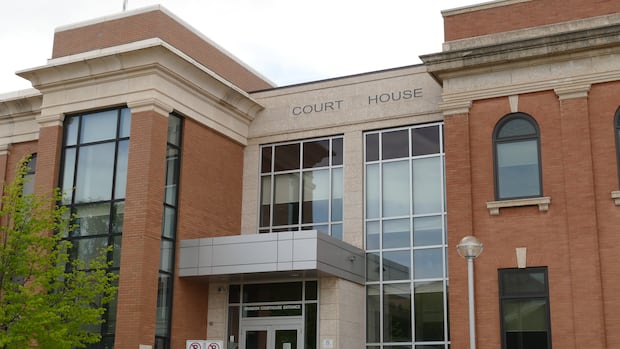
A former foster parent in Brandon, Manitoba, expressed remorse during his sentencing hearing this week, telling the court he accepts full responsibility for child sexual abuse material offenses. The Brandon foster parent sentencing hearing revealed disturbing details about the man’s crimes while highlighting ongoing concerns about child protection systems.
The accused, whose name is protected under a publication ban to shield the identities of victims, pleaded guilty to possessing and accessing child sexual abuse material (CSAM). His admission in court marked a significant moment in a case that has shaken the Brandon community.
Former Caregiver Accepts Responsibility in Court
During the sentencing arguments, the man addressed the court directly, stating, “I have no excuses.” His acknowledgment of wrongdoing came after prosecutors presented evidence detailing the nature and scope of the offenses.
The Crown and defense lawyers presented their respective arguments regarding an appropriate sentence. The case has drawn attention to the screening processes for foster parents and the broader issue of child exploitation crimes in Canada.
Court documents indicate that investigators discovered the illegal material during a police investigation. The man had served as a foster parent in the Brandon area, raising serious questions about child safety protocols within the foster care system.
Prosecution Seeks Significant Prison Term
Crown prosecutors argued for a substantial custodial sentence, emphasizing the severity of CSAM offenses and their connection to the ongoing victimization of children. The prosecution highlighted that each image or video represents a real child who suffered abuse.
Child sexual abuse material crimes carry serious penalties under Canadian law. The Criminal Code of Canada treats possession, distribution, and production of such material as distinct offenses, each carrying potential prison sentences.
The prosecution noted aggravating factors in the case, including the accused’s position of trust as a foster parent. Courts typically view breaches of trust as significant considerations during sentencing for sex crimes involving children.
Defense Presents Mitigating Circumstances
The defense counsel presented mitigating factors for the court’s consideration. These reportedly included the accused’s guilty plea, his expression of remorse, and his lack of prior criminal record.
Defense arguments in CSAM cases often focus on rehabilitation potential and the distinction between possession offenses and contact offenses against children. However, courts increasingly recognize that CSAM consumption directly fuels the market for child exploitation.
The accused’s statement accepting responsibility without excuses may influence the final sentencing decision. Judges often consider genuine remorse as a mitigating factor, though it rarely results in dramatically reduced sentences for serious offenses.
Impact on Manitoba Foster Care System
This case raises important questions about foster parent background checks and ongoing monitoring within Manitoba’s child welfare system. The province, like others across Canada, maintains screening protocols for prospective foster parents.
Foster care agencies typically conduct criminal record checks, child abuse registry searches, and home studies before approving caregivers. However, CSAM offenses often go undetected until police investigations uncover digital evidence.
Child welfare advocates have called for enhanced screening measures and more frequent reviews of approved foster homes. The Brandon case underscores the challenges authorities face in identifying individuals who pose risks to children.
Understanding CSAM Offenses and Sentencing Guidelines
Canadian courts follow established sentencing guidelines for child exploitation offenses. Factors influencing sentences include the volume of material, the ages of depicted children, and whether the accused distributed or produced content.
Recent years have seen Canadian courts impose increasingly severe sentences for CSAM offenses. This shift reflects growing awareness of the harm these crimes cause to victims and society.
The Supreme Court of Canada has affirmed that CSAM offenses warrant serious consequences. Courts recognize that consumers of such material perpetuate demand for child abuse and cause ongoing harm to victims whose images circulate indefinitely.
Sentences for CSAM possession in Canada typically range from probation for minor first offenses to several years of imprisonment for more serious cases. Aggravating factors, such as positions of trust, push sentences toward the higher end of this range.
Community Response and Victim Support
The Brandon community has reacted with concern to the case. Local child protection advocates have emphasized the importance of reporting suspected abuse and supporting victims of exploitation.
Organizations like the Canadian Centre for Child Protection provide resources for communities dealing with child exploitation cases. They emphasize that online child safety requires vigilance from parents, educators, and community members.
Victims of child sexual abuse, including those depicted in CSAM, often experience lasting psychological trauma. Support services exist throughout Manitoba for survivors and their families.
Sentencing Decision Expected Soon
The judge presiding over the case reserved the decision, meaning the sentence will be delivered at a future date. Both prosecution and defense have presented their arguments, and the court will now weigh all factors before rendering judgment.
The Brandon foster parent sentencing outcome will likely reflect the court’s assessment of the offense’s severity balanced against mitigating circumstances. Legal observers expect a custodial sentence given the nature of the crimes and the breach of trust involved.
This case serves as a reminder of the ongoing challenges in protecting children from exploitation. Communities, law enforcement agencies, and child welfare organizations must continue working together to identify risks and support victims. Anyone with concerns about child safety should contact local authorities or the Canadian Centre for Child Protection’s tip line.
