


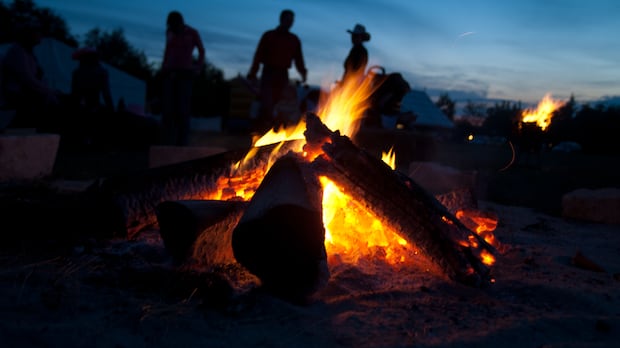
The BC campfire ban lifted announcement brings welcome news for outdoor enthusiasts planning to celebrate the upcoming Victoria Day long weekend. The BC Wildfire Service confirmed on Tuesday that the prohibition on campfires across British Columbia’s South Coast will be rescinded effective noon on Thursday, May 15, 2025.
This decision comes after careful assessment of current fire danger ratings and weather conditions across the region. Campers, hikers, and wilderness adventurers can now plan their long weekend activities with the knowledge that campfires will once again be permitted in designated areas throughout the South Coast Fire Centre’s jurisdiction.
Why the Campfire Ban Was Initially Implemented
Elevated Fire Risk Prompted Early Restrictions
The BC Wildfire Service implemented the campfire prohibition earlier this spring due to unusually dry conditions across the South Coast region. Fire danger ratings had climbed to concerning levels, prompting officials to take preventive action before the situation could escalate.
The South Coast Fire Centre covers a vast territory that includes popular camping destinations in the Lower Mainland, Sunshine Coast, and Vancouver Island regions. These areas see heavy recreational use, particularly during spring and summer months when outdoor activities peak.
Provincial fire officials continuously monitor multiple factors when making these decisions, including fuel moisture levels, recent precipitation, wind patterns, and long-range weather forecasts.
Details of the Campfire Ban Rescission
What Changes on Thursday
Beginning at noon on Thursday, May 15, 2025, recreational campfires will once again be permitted throughout the South Coast Fire Centre’s jurisdiction. This timing strategically positions the lifting of restrictions just ahead of the Victoria Day long weekend, traditionally one of the busiest camping periods of the year.
The rescission applies specifically to Category 2 open fires, which includes campfires no larger than 0.5 meters high and 0.5 meters wide. These are the typical campfires used at established campsites and recreational areas throughout British Columbia.
However, officials emphasize that all other fire safety regulations remain in effect. Campers must still ensure they have proper tools on hand to extinguish fires, never leave fires unattended, and completely extinguish all flames before leaving a campsite or going to sleep.
Areas Affected by This Decision
The South Coast Fire Centre encompasses several popular outdoor recreation zones, including:
- Metro Vancouver and surrounding wilderness areas
- The Sunshine Coast from Gibsons to Powell River
- Vancouver Island communities and provincial parks
- The Sea-to-Sky corridor from Squamish to Whistler
- Fraser Valley backcountry regions
Campers planning trips to these areas should verify specific campsite regulations, as some parks and recreation sites may have additional local restrictions in place.
Safety Guidelines for Campers This Long Weekend
Responsible Fire Practices Remain Essential
While the BC campfire ban lifted status allows for recreational fires, the BC Wildfire Service urges all outdoor enthusiasts to exercise extreme caution. Spring conditions can change rapidly, and even permitted campfires require responsible management.
Officials recommend following these essential campfire safety protocols:
- Build fires only in designated fire rings or pits
- Keep fires small and manageable at all times
- Maintain a bucket of water or shovel nearby
- Never burn during windy conditions
- Ensure fires are completely extinguished with water, not just dirt
The “drown, stir, and feel” method remains the gold standard for fire extinguishment. Campers should drown all embers with water, stir the ashes, and carefully feel for any remaining heat before leaving the site.
Penalties for Fire Safety Violations
British Columbia maintains strict penalties for those who violate fire safety regulations or cause wildfires through negligence. Fines can reach up to $100,000 for individuals, and those found responsible for starting wildfires may face criminal charges and liability for firefighting costs.
The province spent hundreds of millions of dollars fighting wildfires in recent years, with human-caused fires accounting for a significant percentage of ignitions.
Victoria Day Long Weekend Camping Expectations
High Demand Expected at Provincial Parks
Campground operators and park officials anticipate heavy traffic this Victoria Day long weekend, with many sites already showing full reservations. The timing of the BC campfire ban lifted announcement will likely increase interest in overnight camping trips throughout the region.
Popular destinations including Golden Ears Provincial Park, Porteau Cove, and various Vancouver Island campgrounds typically reach capacity during this holiday period. Campers without reservations should have backup plans and consider lesser-known alternatives.
BC Parks recommends booking well in advance through the provincial reservation system for future long weekends. Day-use areas remain available for those unable to secure overnight accommodations.
Weather Forecast Considerations
Current weather forecasts suggest mixed conditions for the Victoria Day long weekend across the South Coast region. Campers should prepare for variable weather and pack appropriate gear regardless of campfire availability.
Even when campfires are permitted, wet weather can make fire-starting challenging. Bringing dry kindling, waterproof matches, and alternative cooking methods ensures a successful camping experience regardless of conditions.
Looking Ahead: Summer Fire Season Preparation
Conditions Could Change Rapidly
While the current rescission brings good news for campers, the BC Wildfire Service cautions that conditions can change quickly as summer approaches. The agency will continue monitoring fire danger ratings throughout the season and may reinstate prohibitions if necessary.
British Columbia has experienced increasingly severe wildfire seasons in recent years, driven by climate change and drought conditions. Provincial officials encourage all residents to stay informed about current fire restrictions through official channels.
Campers can sign up for BC Wildfire Service alerts and check current fire danger ratings before any outdoor trip. Mobile apps and the provincial wildfire dashboard provide real-time information on restrictions and active fires throughout the province.
