


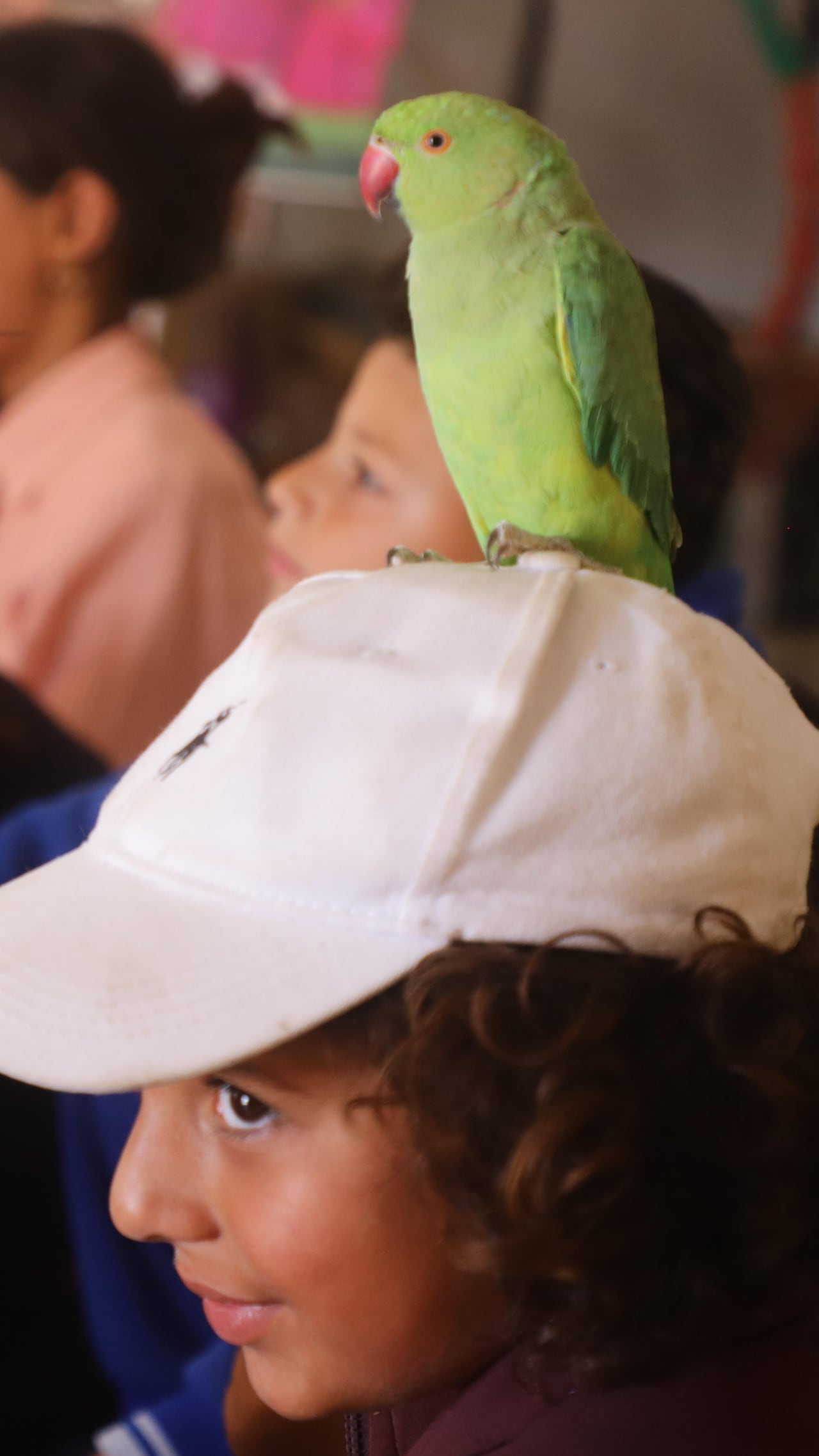
In the midst of ongoing conflict and displacement, a gentle form of healing is bringing hope to the youngest victims of the Gaza crisis. Animal therapy for Gaza children has emerged as a powerful intervention, offering displaced youth a rare opportunity to experience comfort, connection, and emotional relief during one of the most challenging periods in the region’s history.
As thousands of families remain uprooted from their homes, humanitarian organizations are turning to unconventional methods to address the widespread psychological trauma affecting children. Animal-assisted therapy programs are proving that sometimes, the most effective healers have four legs and fur.
The Growing Mental Health Crisis Among Gaza’s Youth
Unprecedented Trauma Levels
The mental health toll on children in Gaza has reached alarming proportions. Experts estimate that the vast majority of displaced children are experiencing symptoms of post-traumatic stress disorder (PTSD), anxiety, and depression. Many have witnessed violence, lost family members, or been forced to flee their homes multiple times.
Traditional mental health services remain severely limited due to infrastructure damage and resource constraints. This gap has created an urgent need for alternative therapeutic approaches that can reach children quickly and effectively.
Why Children Are Particularly Vulnerable
Young minds process trauma differently than adults. Children often lack the vocabulary to express their emotions and may internalize their distress in harmful ways. Behavioral changes, nightmares, regression, and social withdrawal are common symptoms observed among displaced children in conflict zones.
How Animal-Assisted Therapy Works
The Science Behind the Healing
Animal-assisted therapy operates on well-documented psychological principles. When children interact with animals, their bodies release oxytocin—often called the love hormone—which reduces stress and promotes feelings of calm and safety.
Research published in numerous peer-reviewed journals confirms that animal interactions can lower cortisol levels, decrease blood pressure, and reduce anxiety symptoms. For children who have experienced severe trauma, these physiological changes create a foundation for emotional healing.
Creating Safe Spaces for Connection
Therapy animals provide something uniquely valuable: unconditional acceptance. Unlike human interactions, which can feel complicated or threatening to traumatized children, animals offer simple, non-judgmental companionship.
During sessions, children may pet, groom, feed, or simply sit near therapy animals. These activities require no verbal communication, making them accessible to children who have become withdrawn or non-verbal due to trauma.
Implementation in Gaza’s Displacement Camps
Adapting Programs to Crisis Conditions
Humanitarian workers have adapted animal therapy programs to function within the challenging conditions of displacement camps. Sessions typically take place in designated safe areas where children can interact with animals away from the chaos of camp life.
The programs use various animals depending on availability and cultural considerations. Common therapy animals include:
- Rabbits and guinea pigs for gentle, low-maintenance interaction
- Birds for observation and gentle handling
- Small dogs where culturally appropriate
- Farm animals like goats and sheep
Training Local Facilitators
Sustainability requires local involvement. Organizations running these programs train Palestinian facilitators to lead therapy sessions, ensuring cultural sensitivity and long-term program viability. These trained workers understand the specific traumas their community faces and can provide context-appropriate support.
Documented Benefits and Success Stories
Observable Improvements in Children
Facilitators report significant positive changes in children who participate regularly in animal therapy sessions. Many children who initially presented as withdrawn or aggressive show marked improvement in their emotional regulation and social interactions.
Key observed benefits include:
- Reduced anxiety and hypervigilance
- Improved sleep patterns
- Increased willingness to communicate
- Better peer relationships
- Renewed sense of hope and normalcy
Building Resilience Through Routine
The structured nature of animal therapy sessions provides displaced children with something precious: predictability. In environments where everything feels uncertain, knowing that therapy animals will be available at scheduled times creates a sense of stability.
This routine helps children rebuild their sense of safety and trust in the world—essential components of trauma recovery.
Challenges and Limitations
Resource Constraints
Operating animal therapy programs in active conflict zones presents significant logistical challenges. Securing food, veterinary care, and safe housing for therapy animals requires resources that remain scarce. Transportation restrictions can limit program reach.
Scaling to Meet Demand
The need far exceeds current capacity. Thousands of children could benefit from animal-assisted interventions, but programs can only serve a fraction of those in need. Humanitarian organizations continue seeking funding and partnerships to expand services.
The Path Forward
Integration With Comprehensive Mental Health Services
Experts emphasize that animal therapy works best as part of a comprehensive mental health approach. While animal interactions provide immediate comfort, children also need access to trained counselors, family support services, and long-term psychological care.
International Support and Awareness
Increased international attention to the mental health needs of displaced children can drive funding and resource allocation toward programs like animal-assisted therapy. Advocacy efforts continue to highlight the importance of psychological support alongside physical aid.
Animal therapy for Gaza’s displaced children represents a beacon of compassion amid devastating circumstances. While no single intervention can erase the trauma these young people have experienced, the gentle presence of therapy animals offers genuine healing and hope. As the international community continues responding to this humanitarian crisis, supporting innovative mental health programs like animal-assisted therapy remains essential. Every child deserves the chance to heal, and sometimes that healing begins with the simple comfort of a furry friend.
