


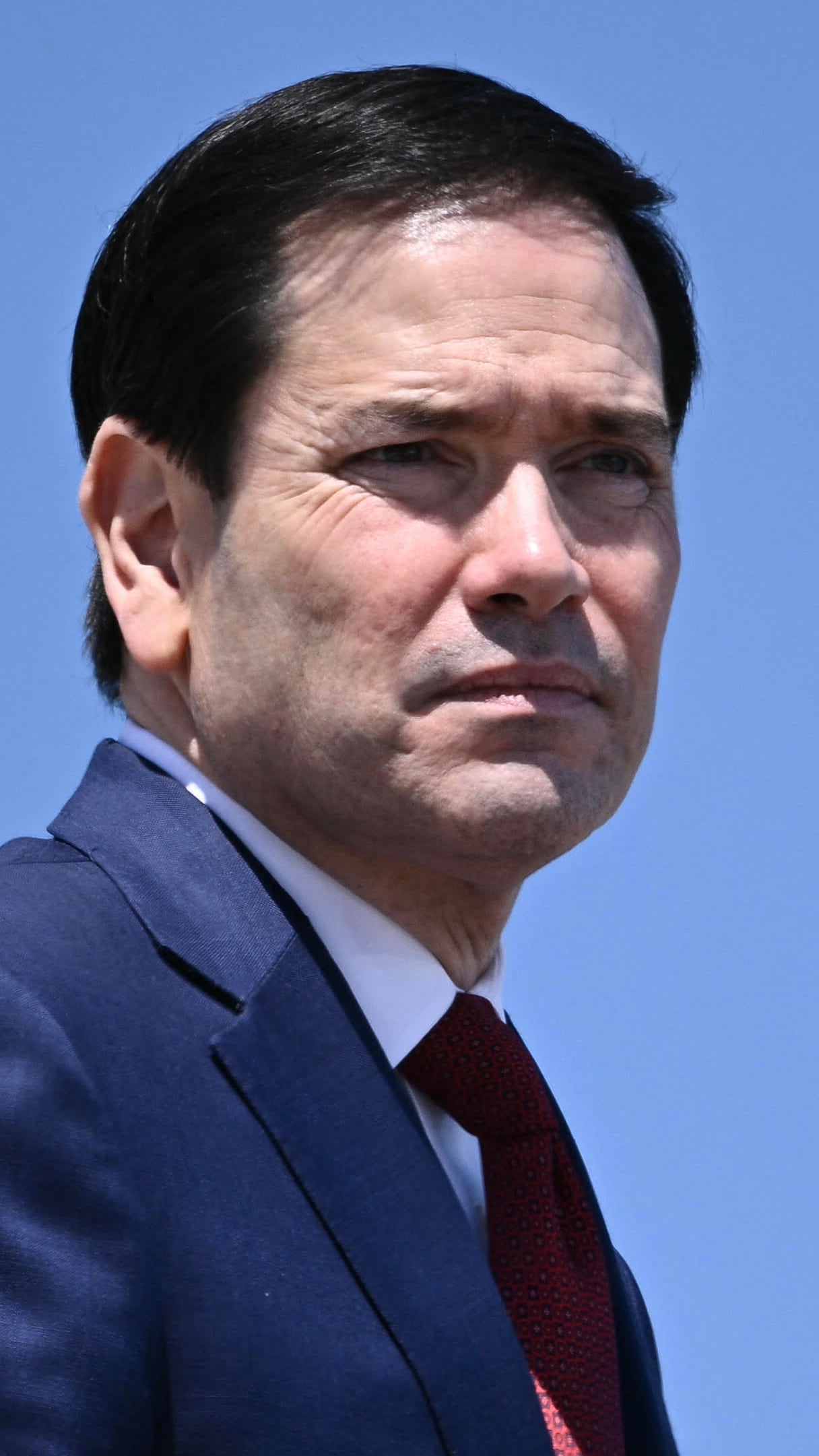
U.S. Secretary of State Marco Rubio has received a new Chinese name from Beijing’s state media, and the translation carries a pointed political message. The Marco Rubio Chinese name controversy highlights the ongoing diplomatic tensions between Washington and Beijing, as Chinese officials use linguistic creativity to express their displeasure with American foreign policy.
The name change represents more than a simple translation issue. It reflects deeper geopolitical friction and China’s strategic use of media to shape narratives around U.S. officials who take hardline stances on Chinese policy matters.
What Is Marco Rubio’s New Chinese Name?
Chinese state media outlets have assigned Secretary Rubio a new moniker that differs significantly from the standard phonetic translation of his name. Traditional Chinese translations of foreign names typically aim to preserve the original sound while using characters with neutral or positive meanings.
However, Beijing’s new designation for Rubio deliberately selects characters that convey negative connotations. This practice, known as using “ugly characters” for foreign names, has historical precedent in Chinese diplomatic communications.
The name choice signals Beijing’s view of Rubio as an adversarial figure in U.S.-China relations.
Why China Targeted Rubio Specifically
His History of China Criticism
Marco Rubio has maintained a consistently hawkish position on China throughout his political career. As a senator from Florida, he championed legislation targeting Chinese technology companies and human rights violations.
Rubio co-sponsored the Uyghur Human Rights Policy Act and vocally supported pro-democracy protesters in Hong Kong. These actions placed him on China’s sanctions list even before he assumed the role of Secretary of State.
His appointment to lead American diplomacy signaled to Beijing that the Trump administration would maintain pressure on key issues including Taiwan, trade practices, and technological competition.
Symbolic Political Messaging
The renaming tactic serves multiple purposes for Chinese state media. First, it allows officials to express criticism without engaging in formal diplomatic protests. Second, it plays well with domestic Chinese audiences who consume state-controlled news.
This approach follows a pattern Beijing has used with other foreign officials deemed hostile to Chinese interests. The practice weaponizes the Chinese language itself as a tool of political commentary.
The Broader Context of U.S.-China Tensions
Diplomatic Relations at a Crossroads
The Marco Rubio Chinese name situation occurs against a backdrop of deteriorating relations between the world’s two largest economies. Trade disputes, technology restrictions, and military posturing in the South China Sea have all contributed to heightened tensions.
Secretary Rubio’s early tenure has focused heavily on rallying allies to counter Chinese influence in the Indo-Pacific region. His recent diplomatic visits to Asian partners emphasized strengthening security cooperation.
Taiwan Remains Central Issue
Perhaps no single issue generates more friction than Taiwan. Rubio has consistently advocated for stronger American support of the self-governing island that China claims as its territory.
Beijing views any perceived movement toward Taiwanese independence as a fundamental threat. Rubio’s past statements supporting Taiwan’s democratic government have made him a particular target for Chinese criticism.
How Name Politics Works in Chinese Diplomacy
Historical Precedents
China has a long tradition of using character selection to convey political messages through names. During the imperial era, foreign nations and their representatives received names that reflected their perceived status in relation to China.
Modern Chinese diplomacy occasionally revives this practice, particularly through state media rather than official government communications. This allows Beijing to maintain plausible deniability while still sending clear signals.
The Power of Characters
Each Chinese character carries multiple layers of meaning, including historical associations, tonal qualities, and visual symbolism. Skilled propagandists can select characters that technically translate a foreign name while simultaneously embedding criticism.
This linguistic subtlety often goes unnoticed by international audiences but resonates strongly with Chinese-speaking populations.
International Reactions and Implications
Washington’s Response
The State Department has not issued formal complaints about the naming practice, treating it as a minor provocation rather than a diplomatic incident requiring response. This measured approach avoids elevating what officials likely view as a petty tactic.
However, the incident provides Rubio supporters with evidence of his effectiveness in challenging Beijing. Being singled out for criticism by Chinese state media may actually strengthen his credentials among hawkish policy circles.
Allied Perspectives
American allies in Asia have observed the exchange carefully. Countries navigating their own complex relationships with China note how Beijing responds to perceived threats from Washington.
The naming controversy, while seemingly trivial, reflects the personalized nature of modern diplomatic disputes. Individual officials increasingly become symbols of broader policy positions.
What This Means for Future Relations
The Marco Rubio Chinese name episode suggests that Beijing will continue using unconventional methods to express displeasure with American officials. As traditional diplomatic channels remain strained, expect more creative forms of political messaging.
For Rubio personally, the Chinese response confirms his status as a primary figure in shaping U.S. policy toward Beijing. Whether this helps or hinders diplomatic progress remains to be seen.
Conclusion
The assignment of a politically charged Chinese name to Secretary of State Marco Rubio represents a small but symbolic moment in U.S.-China relations. While the practical impact remains limited, it illustrates how deeply personal modern diplomacy has become. As both nations navigate an increasingly competitive relationship, even names become battlegrounds for political messaging. Observers should watch how this linguistic sparring evolves alongside more substantive policy disputes in the months ahead.
