


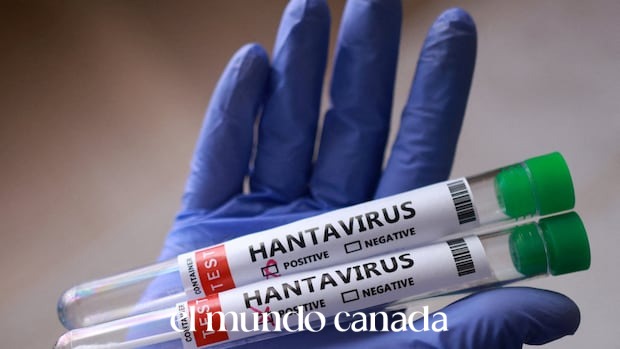
The recent surge in hantavirus cases across North America has renewed urgent questions about available medical options. Despite decades of research, hantavirus treatment remains limited to supportive care, and no approved vaccine exists for human use. As health authorities monitor outbreaks, understanding where science currently stands offers crucial context for concerned communities.
Hantavirus infections can progress rapidly from flu-like symptoms to life-threatening respiratory failure. With mortality rates reaching up to 40% for certain strains, the absence of targeted therapies represents a significant gap in public health preparedness.
Understanding Hantavirus and Its Deadly Impact
Hantaviruses belong to a family of viruses primarily spread through contact with infected rodents. Humans typically contract the virus by inhaling particles from rodent urine, droppings, or saliva. The most severe form in the Americas, hantavirus pulmonary syndrome (HPS), attacks the lungs and can cause rapid deterioration.
Symptoms often begin with fever, muscle aches, and fatigue. Within days, patients may develop severe breathing difficulties as fluid fills their lungs. This progression happens so quickly that early diagnosis proves challenging for healthcare providers.
The virus does not spread person-to-person in most cases, which limits outbreak potential but does little to help individual patients facing the disease.
Current Treatment Options Remain Limited
Medical professionals currently rely entirely on supportive care for hantavirus patients. No antiviral medication has proven effective against the infection, leaving doctors to manage symptoms rather than attack the virus directly.
Treatment typically involves:
- Intensive care unit admission for severe cases
- Mechanical ventilation to support failing lungs
- Oxygen therapy to maintain blood oxygen levels
- Careful fluid management to prevent lung complications
- Blood pressure support when cardiovascular function declines
Early hospitalization significantly improves survival chances. Patients who receive intensive care before severe respiratory distress develops have better outcomes than those who delay seeking medical attention.
Researchers have tested ribavirin, an antiviral drug used against other viral infections, but clinical trials showed no clear benefit for hantavirus patients. The drug remains unapproved for this use.
Vaccine Development Faces Multiple Challenges
Creating an effective hantavirus vaccine has proven remarkably difficult. Scientists have worked on various approaches for over three decades, yet no vaccine has reached widespread approval for human use.
Several factors complicate vaccine development:
Multiple virus strains circulate globally, each requiring potentially different immune responses. A vaccine effective against one strain may offer limited protection against others.
Limited commercial interest has slowed funding. Hantavirus cases remain relatively rare compared to other infectious diseases, making pharmaceutical investment less attractive despite the high mortality rate.
Testing difficulties arise because human infections occur sporadically and unpredictably. Conducting large-scale clinical trials requires either waiting for natural outbreaks or using challenge studies with ethical complications.
Some countries have made more progress than others. China and South Korea have used inactivated virus vaccines in high-risk populations for years, though these products lack approval in Western nations.
Promising Research Directions
Despite obstacles, several experimental treatments and vaccines show potential in ongoing research programs.
DNA Vaccines
Scientists are developing DNA-based vaccines that instruct human cells to produce hantavirus proteins, triggering immune responses without using live or inactivated virus. Early trials have demonstrated safety and immune activation in human volunteers.
Monoclonal Antibodies
Researchers have identified antibodies that neutralize hantavirus in laboratory settings. These could potentially serve as treatments for infected patients or as preventive measures for exposed individuals. Clinical development continues at several research institutions.
Broad-Spectrum Antivirals
Some scientists pursue drugs that might work against multiple hemorrhagic fever viruses, including hantaviruses. This approach could make development more economically viable while addressing a broader public health need.
Prevention Remains the Best Defense
Until effective treatments emerge, preventing exposure offers the strongest protection against hantavirus infection. Public health experts emphasize practical steps for reducing risk.
Rodent control in and around homes provides the first line of defense. Sealing entry points, removing food sources, and reducing shelter opportunities help keep mice and rats away from living spaces.
When cleaning areas with rodent activity, proper precautions prevent virus inhalation. Health authorities recommend:
- Ventilating enclosed spaces before entering
- Wetting contaminated materials with disinfectant before cleaning
- Wearing protective masks rated for fine particles
- Avoiding sweeping or vacuuming dry droppings
Outdoor enthusiasts face elevated risks when camping or working in rural areas. Avoiding sleeping on bare ground and keeping food securely stored reduces rodent encounters.
What the Future Holds
The scientific community continues pursuing multiple paths toward effective hantavirus treatment and prevention. Increased funding following recent outbreaks may accelerate progress on vaccines and therapeutics that have languished in early development stages.
International collaboration has improved, with researchers sharing data and resources across borders. This cooperation could help overcome the fragmented approach that historically slowed advancement.
For now, awareness and prevention remain essential tools. Understanding symptoms, seeking early medical care, and reducing rodent exposure give individuals their best chance against this dangerous virus.
Anyone experiencing flu-like symptoms after potential rodent exposure should contact healthcare providers immediately and mention the possible connection. Early intervention, while not curative, significantly improves survival odds.
