


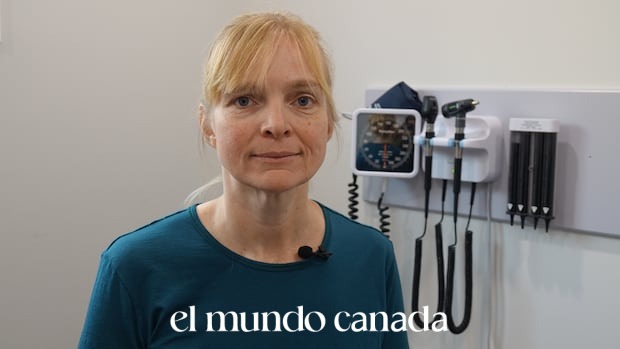
A Kingston physician who administered thousands of COVID-19 vaccines during the pandemic has lost her bid to challenge a provincial order demanding she repay more than $600,000 to Ontario’s health insurance plan. The Ontario Divisional Court recently declined to hear the case, leaving Dr. Yusra Ahmad facing a substantial financial penalty for billing irregularities related to her vaccination efforts during the height of the public health crisis.
The decision marks another chapter in an ongoing dispute between healthcare providers and the provincial government over compensation for pandemic-era medical services. Dr. Ahmad’s case has drawn attention from medical professionals across the province who worry about the implications for physicians who stepped up during extraordinary circumstances.
The Background of the Billing Dispute
How the Clawback Originated
Dr. Yusra Ahmad, a family physician practicing in Kingston, Ontario, became one of many doctors who mobilized to deliver COVID-19 vaccinations when vaccines first became available in 2021. Like numerous colleagues across the province, she billed the Ontario Health Insurance Plan (OHIP) for these services according to fee codes established for vaccination administration.
However, the Ontario Ministry of Health later determined that Dr. Ahmad had overbilled for her vaccination services. Provincial auditors flagged her billing patterns, ultimately concluding she owed approximately $600,000 in repayments to the provincial health system.
The clawback stemmed from allegations that the billing codes used did not align with the services actually provided. The ministry argued that certain administrative and clinical requirements were not met for each billed vaccination appointment.
The Physician’s Defense
Dr. Ahmad contested the ministry’s findings, arguing that she had followed appropriate billing practices while working under extraordinary pandemic conditions. Her legal team maintained that the circumstances surrounding COVID-19 vaccine rollout created unprecedented challenges for healthcare providers attempting to navigate complex billing regulations.
The physician sought judicial review of the clawback order, hoping the Divisional Court would agree to examine whether the ministry’s decision was reasonable and fair given the pandemic context.
Court’s Ruling and Reasoning
Why the Court Declined to Hear the Case
The Ontario Divisional Court’s refusal to hear the case effectively ends Dr. Ahmad’s primary legal avenue for challenging the repayment order. While the court did not rule on the merits of the billing dispute itself, its decision not to grant a hearing means the ministry’s clawback determination stands.
Legal experts note that courts typically decline judicial review applications when they determine that other adequate remedies exist or when procedural requirements have not been satisfied. The specific reasons for rejecting Dr. Ahmad’s application reflect the court’s assessment that the matter did not meet the threshold for judicial intervention.
Implications for the Physician
With the court refusing to hear her case, Dr. Ahmad now faces the prospect of repaying the full amount demanded by the province. The $600,000 OHIP clawback represents a significant financial burden that could impact her medical practice and personal finances for years to come.
Physicians ordered to repay OHIP billings typically must establish payment plans with the ministry, which can garnish future OHIP payments until the debt is satisfied.
Broader Context of Pandemic Billing Disputes
A Pattern Across Ontario
Dr. Ahmad’s case is not isolated. Multiple Ontario physicians have faced similar clawback demands related to their pandemic-era billing practices. The rapid deployment of COVID-19 vaccination programs created confusion around appropriate billing codes and documentation requirements.
Some healthcare advocates argue that the province failed to provide adequate guidance to physicians during the vaccination campaign’s urgent early phases. They contend that penalizing doctors who responded to public health needs sends a troubling message about pandemic preparedness.
The OHIP Audit Process
The Ontario Ministry of Health regularly audits physician billing through its Health Services Branch. These audits examine billing patterns, compare them against peer groups, and identify potential irregularities. When discrepancies are found, physicians receive demands for repayment.
The audit process has long been controversial within Ontario’s medical community. Critics argue the system presumes guilt and places an unfair burden on physicians to prove their billing was appropriate. Supporters maintain the audits protect public funds from fraudulent or inappropriate claims.
Reactions from the Medical Community
Concerns Among Physicians
The outcome of Dr. Ahmad’s case has generated concern among Ontario doctors, particularly those who participated in mass vaccination efforts. Many fear they could face similar scrutiny and financial penalties despite believing they billed appropriately.
Professional organizations have called for clearer billing guidelines and more physician-friendly dispute resolution processes. Some have suggested that pandemic-era services deserve special consideration given the extraordinary circumstances under which they were delivered.
Calls for Policy Reform
Healthcare policy experts have used cases like Dr. Ahmad’s to advocate for reforms to Ontario’s physician billing and audit systems. Proposed changes include clearer prospective guidance on billing codes, more transparent audit criteria, and independent adjudication of disputed claims.
The Ontario Medical Association has historically negotiated with the provincial government over billing issues, though individual physicians must navigate the audit process largely on their own.
What Happens Next
Dr. Ahmad’s Remaining Options
While the Divisional Court has declined to hear her case, Dr. Ahmad may have limited remaining legal options. These could potentially include seeking leave to appeal to a higher court, though success at that level would be uncertain and costly.
More likely, she will need to negotiate repayment terms with the ministry while continuing her medical practice. The financial impact of the clawback will likely extend over many years.
Precedent for Future Cases
The court’s decision not to intervene may discourage other physicians from pursuing similar legal challenges. However, it does not establish binding precedent on the underlying billing issues, meaning future cases could potentially receive different treatment.
Healthcare providers facing OHIP clawbacks should consult with legal counsel experienced in medical billing disputes to understand their options and obligations.
