


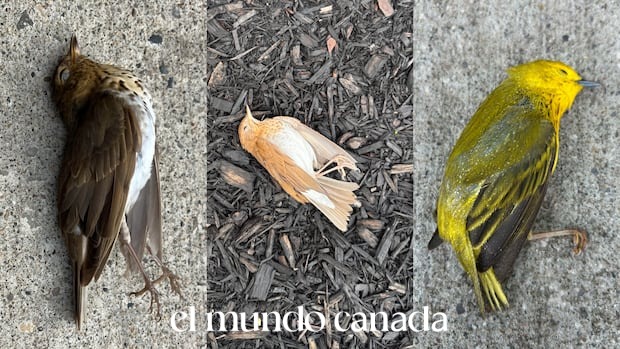
Every year, countless birds meet an untimely end by flying into glass windows they cannot see. In Kitchener, Ontario, one dedicated advocate has made it her mission to address the devastating problem of bird window collisions and help injured birds survive these preventable accidents.
Brenda Chicken, a volunteer transporter for the Hobbitstee Wildlife Refuge, witnesses the tragic consequences of window strikes daily. Her work highlights a growing environmental concern that scientists estimate kills between 100 million and one billion birds annually across North America alone.
The Hidden Danger of Reflective Glass
Why Birds Cannot See Windows
Birds perceive the world differently than humans. When they approach a building, they see reflections of trees, sky, and open space in glass surfaces. This optical illusion proves fatal for millions of migratory and residential birds each year.
Reflective glass creates a deadly trap. Birds flying at full speed toward what appears to be a continuation of their natural habitat instead collide with an invisible barrier. The impact often causes severe internal injuries, brain trauma, or instant death.
Modern architecture has intensified this problem. Sleek glass facades and floor-to-ceiling windows have become standard in urban development, transforming cities into gauntlets for bird populations.
The Scale of the Problem in Urban Areas
Urban centers like Kitchener face particularly acute challenges. The combination of tall buildings, residential windows, and natural migration corridors creates deadly intersections for bird populations.
During spring and fall migration seasons, the problem intensifies dramatically. Exhausted birds traveling thousands of miles become especially vulnerable to window strikes as they navigate unfamiliar urban landscapes.
Studies indicate that low-rise residential buildings actually cause more bird deaths than skyscrapers. This means homeowners play a crucial role in addressing the crisis.
One Advocate’s Compassionate Response
Brenda Chicken’s Rescue Mission
Brenda Chicken has dedicated countless hours to rescuing birds injured by window collisions in the Kitchener area. As a volunteer transporter, she responds to reports of stunned or injured birds and delivers them to wildlife rehabilitation centers.
Her work requires speed, knowledge, and compassion. Birds suffering from window strike trauma need immediate care to survive. Many experience internal bleeding, concussions, or broken bones that only trained rehabilitators can treat.
Chicken’s advocacy extends beyond rescue operations. She actively educates community members about preventing bird-window collisions and encourages property owners to implement simple solutions.
The Emotional Toll of Wildlife Rescue
Rescue volunteers like Chicken face the harsh reality that not every bird can be saved. Window strikes often cause injuries too severe for recovery, forcing difficult decisions about humane euthanasia.
Despite these challenges, successful rescues provide powerful motivation. Releasing a rehabilitated bird back into the wild represents a small victory against a massive problem.
The volunteer network in Kitchener demonstrates how community action can make meaningful differences for local wildlife populations.
Effective Solutions for Preventing Bird Strikes
Simple Home Modifications
Homeowners can dramatically reduce bird collisions through affordable window treatments. These solutions work by breaking up reflections and making glass visible to approaching birds.
Window decals and stickers rank among the most popular options. Placed on the exterior surface of glass, these markers alert birds to the presence of a barrier. Experts recommend spacing decals no more than two inches apart for maximum effectiveness.
Ultraviolet-reflective films offer another proven solution. Birds can see UV light that remains invisible to humans, making these films an unobtrusive option for homeowners concerned about aesthetics.
External screens, netting, and bird-safe tape patterns also provide effective protection. Even simple solutions like leaving windows slightly dirty during migration season can reduce strikes.
Architectural and Municipal Responses
Progressive cities have begun implementing bird-friendly building design standards. These regulations require new construction to incorporate bird-safe glass and lighting protocols.
Toronto became a North American leader in this movement, adopting guidelines that have inspired similar measures in other Canadian cities. Kitchener and surrounding municipalities continue evaluating their own approaches to the issue.
Building managers can reduce bird strikes by turning off unnecessary lighting at night during migration seasons. Many fatal collisions occur when artificial light disorients nocturnal migrants.
The Broader Conservation Impact
Declining Bird Populations
Window collisions represent just one of many threats facing North American bird populations. Scientists have documented a loss of nearly three billion birds since 1970, making every preventable death significant.
Common species including sparrows, warblers, and thrushes frequently fall victim to window strikes. These losses ripple through ecosystems, affecting pollination, seed dispersal, and insect control.
Climate change compounds existing pressures on bird populations. Shifting migration patterns and habitat disruption force birds into unfamiliar territories where collision risks increase.
How Individuals Can Make a Difference
Beyond window modifications, concerned citizens can support bird conservation through multiple channels. Contributing to wildlife rehabilitation centers helps organizations like Hobbitstee Wildlife Refuge continue their critical work.
Participating in citizen science programs provides researchers with valuable data about bird strikes. Organizations like Fatal Light Awareness Program collect collision reports to identify problem areas and advocate for solutions.
Advocating for bird-friendly building standards at the municipal level creates lasting change. Community pressure has proven effective in convincing local governments to adopt protective measures.
The dedicated work of advocates like Brenda Chicken reminds us that bird window collisions represent a solvable problem requiring collective action. By implementing simple window treatments, supporting wildlife rehabilitation efforts, and advocating for bird-friendly policies, communities can dramatically reduce these preventable deaths. Every bird saved represents a small but meaningful contribution to preserving the natural world we share with these remarkable creatures.
