


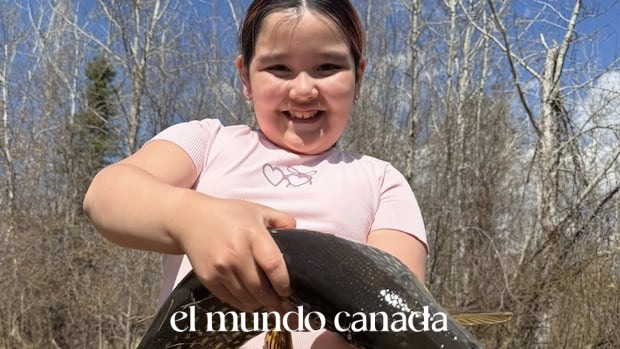
In the remote waters of northern Saskatchewan, a group of young learners recently stepped away from textbooks to embrace a centuries-old practice their ancestors perfected. Traditional snare fishing took center stage at Clearwater River Dene Nation as students participated in a hands-on cultural education program designed to preserve Indigenous fishing knowledge for future generations.
The initiative represents a growing movement across Canada where First Nations communities actively work to reconnect youth with traditional land-based skills. For the Dene people, snare fishing isn’t merely a survival technique—it’s a living connection to their heritage and identity.
What Is Traditional Snare Fishing?
An Ancient Technique Explained
Traditional snare fishing involves using handcrafted snares made from natural materials to catch fish in rivers and streams. Unlike modern fishing methods that rely on commercial rods, reels, and synthetic lines, Indigenous fishing techniques utilize knowledge passed down through countless generations.
The Dene people developed these methods over thousands of years, perfecting the art of reading water currents, understanding fish behavior, and crafting effective snares from materials found in their environment. This sustainable approach to harvesting fish ensured food security while maintaining ecological balance.
Why Snare Fishing Matters Today
In an era dominated by technology, traditional fishing methods offer valuable lessons in sustainability and environmental stewardship. These practices demonstrate how Indigenous conservation methods successfully managed fish populations long before modern wildlife management existed.
Elders at Clearwater River Dene Nation emphasize that snare fishing teaches patience, observation, and respect for nature—qualities that benefit young people regardless of their future career paths.
Cultural Education Program at Clearwater River Dene Nation
Bringing Youth Back to the Land
The Clearwater River Dene Nation educational initiative brings together Elders and students in an immersive learning environment. Participants spend time on the land, away from classrooms, learning directly from knowledge keepers who have practiced these traditions their entire lives.
Students learn every aspect of the process, from selecting appropriate materials for snare construction to identifying optimal fishing locations. This hands-on approach ensures that theoretical knowledge transforms into practical skills young people can use throughout their lives.
The Role of Elders in Knowledge Transfer
Elders serve as the primary instructors in these cultural programs, sharing not only technical skills but also the stories, songs, and spiritual practices associated with traditional fishing. This holistic approach to education distinguishes Indigenous land-based learning from conventional academic instruction.
The intergenerational exchange benefits both parties. Young people gain invaluable cultural knowledge, while Elders experience the satisfaction of seeing their traditions embraced by the next generation.
Benefits of Land-Based Indigenous Education
Strengthening Cultural Identity
Research consistently shows that participation in traditional activities strengthens Indigenous youth cultural identity and improves overall well-being. Students who engage with their heritage report higher self-esteem and stronger connections to their communities.
Programs like the one at Clearwater River Dene Nation address the cultural disruption caused by historical policies that separated Indigenous children from their families and traditions. By actively teaching traditional skills, communities work to heal these intergenerational wounds.
Environmental and Practical Skills
Beyond cultural benefits, traditional snare fishing teaches practical skills applicable to modern life. Students develop problem-solving abilities, learn to work cooperatively, and gain appreciation for sustainable resource management.
These traditional ecological knowledge systems offer insights that contemporary scientists increasingly recognize as valuable. Indigenous fishing practices often incorporate sophisticated understanding of ecosystems that complements Western scientific approaches.
The Broader Movement to Preserve Indigenous Knowledge
Similar Initiatives Across Canada
Clearwater River Dene Nation’s program reflects a nationwide trend among First Nations communities to revitalize traditional practices. From coast to coast, Indigenous groups develop educational programs focused on hunting, fishing, gathering, and other land-based skills.
These initiatives often receive support from band councils, provincial governments, and educational institutions recognizing the value of Indigenous knowledge systems. Funding for such programs has increased as reconciliation efforts prioritize cultural preservation.
Challenges and Opportunities
Despite growing support, programs teaching traditional skills face ongoing challenges. Climate change affects fish populations and migration patterns, potentially impacting where and when traditional methods remain effective. Additionally, securing consistent funding for cultural education remains difficult for many communities.
However, increasing public interest in Indigenous culture and sustainability creates opportunities for expanding these programs. Tourism initiatives, academic partnerships, and media coverage help raise awareness about the importance of preserving traditional Indigenous fishing methods.
Looking Forward: The Future of Traditional Practices
Technology Meets Tradition
Some communities explore ways to document traditional knowledge using modern technology. Video recordings of Elders demonstrating techniques, digital archives of oral histories, and online learning platforms help ensure this knowledge survives even as Elder populations age.
These documentation efforts complement rather than replace direct transmission of knowledge. The experience of learning on the land with knowledgeable teachers remains irreplaceable, but digital resources provide valuable supplementary materials.
Inspiring the Next Generation
Students who participate in programs like those at Clearwater River Dene Nation often become advocates for cultural preservation themselves. Many express interest in eventually teaching these skills to their own children, ensuring the continuation of traditional practices.
The enthusiasm displayed by young participants gives community members hope that Dene traditional knowledge will thrive for generations to come. Each student who masters snare fishing represents another link in an unbroken chain stretching back millennia.
The traditional snare fishing program at Clearwater River Dene Nation demonstrates how Indigenous communities actively preserve their heritage while preparing youth for the future. By combining Elder wisdom with hands-on learning, these initiatives strengthen cultural identity, teach practical skills, and promote environmental stewardship. As more communities embrace similar programs, traditional Indigenous knowledge continues finding new champions among younger generations.
