


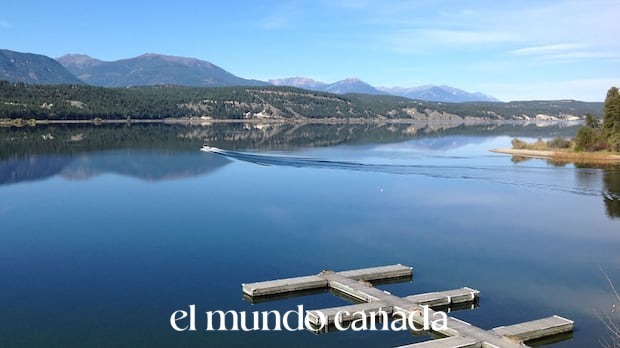
A First Nation community in British Columbia’s East Kootenay region has initiated a comprehensive Columbia Valley lakes boating study to examine the environmental and cultural impacts of motorized watercraft on two sensitive water bodies. The Akisqnuk First Nation announced the research project amid ongoing debates over recreational boating activities on Columbia Lake and Lake Windermere.
The study represents a significant step in Indigenous-led environmental stewardship, as the nation seeks to gather scientific data that could influence future management decisions for these ecologically important lakes in the Columbia Valley.
Akisqnuk First Nation Takes Lead on Environmental Research
The Akisqnuk First Nation, whose traditional territory encompasses the Columbia Valley, has partnered with environmental researchers to conduct the multi-faceted study. The community has expressed growing concerns about the cumulative effects of increased boat traffic on water quality, fish populations, and culturally significant sites.
Chief Nicholas Chicken emphasized the nation’s responsibility to protect these waters for future generations. The lakes hold deep spiritual and cultural significance to the Ktunaxa people, who have lived in the region for thousands of years.
The research initiative comes at a critical time when recreational pressures on British Columbia’s interior lakes continue to mount.
What the Lake Study Will Examine
Researchers will analyze several key factors affecting the health and sustainability of Columbia Lake and Lake Windermere. The study scope includes:
Water Quality Assessment: Scientists will measure turbidity levels, nutrient concentrations, and potential contamination from boat fuel and emissions. Motorized watercraft can stir up sediments and introduce hydrocarbons into sensitive aquatic ecosystems.
Fish Habitat Impact: The research will examine how boat wakes, noise pollution, and propeller activity affect spawning areas and fish populations. Both lakes support important fisheries that have sustained Indigenous communities for generations.
Shoreline Erosion: Wave action from motorboats and personal watercraft can accelerate bank erosion, destroying riparian vegetation and degrading critical wildlife habitat along lake margins.
Cultural Site Preservation: The study will document how boating activities may impact archaeological sites and areas of cultural significance to the Akisqnuk First Nation.
The Boating Debate Divides Columbia Valley Community
The announcement has intensified an ongoing debate between recreational boating enthusiasts and environmental advocates in the East Kootenay region. Some residents and tourism operators argue that boating represents an essential part of the local economy and lifestyle.
Supporters of the study counter that unregulated motorized activity threatens the very qualities that make these lakes attractive destinations. They point to declining water clarity and increased algae growth as evidence that current management approaches may prove inadequate.
The Columbia Valley has experienced significant population growth and tourism increases in recent years. This development has placed unprecedented pressure on natural resources, including the region’s pristine lakes and waterways.
Local business owners have expressed mixed reactions. While some fear potential restrictions could harm tourism revenue, others recognize that environmental degradation poses a longer-term threat to the region’s appeal.
Indigenous Rights and Environmental Stewardship
The study highlights the growing role of First Nations in environmental monitoring and resource management across British Columbia. Indigenous communities increasingly leverage their constitutionally protected rights to assert influence over land and water use decisions.
The Akisqnuk First Nation’s initiative aligns with broader reconciliation efforts that recognize Indigenous knowledge and governance systems. Traditional ecological knowledge, accumulated over millennia, offers valuable perspectives that complement Western scientific approaches.
Provincial and federal governments have faced mounting pressure to meaningfully incorporate Indigenous voices into environmental decision-making. This study could establish a precedent for First Nation-led research informing policy development in other regions.
Timeline and Expected Outcomes
The research project will span multiple seasons to capture year-round conditions and seasonal variations in boating activity. Preliminary findings could emerge within 12 to 18 months, with comprehensive results expected to follow.
Study outcomes may inform several potential management responses:
- Seasonal restrictions on motorized watercraft during sensitive periods
- Speed limits or no-wake zones in ecologically critical areas
- Capacity limits on the number of boats permitted simultaneously
- Enhanced monitoring programs with First Nation participation
The Akisqnuk First Nation has indicated willingness to collaborate with provincial authorities and local stakeholders on implementing any recommended measures. However, the nation has also reserved the right to advocate for stronger protections if warranted by the research findings.
Broader Implications for B.C. Lake Management
The Columbia Valley lakes boating study could influence how British Columbia approaches recreational water management province-wide. Many interior lakes face similar pressures from increasing motorized boat traffic and shoreline development.
Environmental organizations have welcomed the First Nation’s leadership, calling for similar research on other vulnerable water bodies. Climate change adds urgency to these concerns, as warming temperatures and altered precipitation patterns already stress freshwater ecosystems.
The study also raises questions about balancing recreational access with environmental protection—a challenge facing communities across Canada and beyond.
The Akisqnuk First Nation’s decision to launch this comprehensive study marks a pivotal moment for the Columbia Valley and demonstrates Indigenous leadership in environmental stewardship. As recreational pressures continue mounting on British Columbia’s lakes, the research findings could shape management approaches for years to come. Stakeholders on all sides of the boating debate should monitor this study closely, as its conclusions may establish important precedents for balancing human activities with ecological preservation.
