


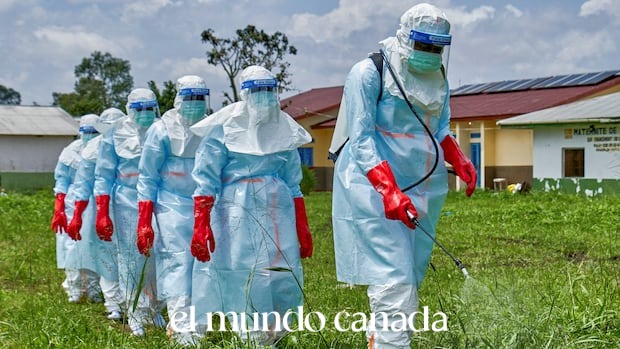
The latest Ebola outbreak in Uganda has captured global attention, raising questions about whether this deadly virus could spread to North America. Health officials acknowledge this particular outbreak presents unique challenges, yet experts emphasize the Ebola outbreak Canada risk remains extremely low for the general population.
While the viral hemorrhagic fever continues to claim lives in East Africa, Canadian public health authorities are monitoring the situation closely. Understanding why this outbreak concerns epidemiologists—and why Canadians shouldn’t panic—requires examining the science behind Ebola transmission and Canada’s robust preparedness systems.
What Makes This Ebola Outbreak Different
The Sudan Strain Poses Unique Challenges
The current outbreak involves the Sudan ebolavirus, a strain that differs significantly from the more commonly known Zaire species. This distinction matters for one critical reason: there are currently no approved vaccines or treatments specifically designed for the Sudan strain.
During the 2014-2016 West African epidemic, pharmaceutical companies developed vaccines targeting the Zaire ebolavirus. Those medical countermeasures proved highly effective. However, the Sudan strain requires different immunological approaches that remain in clinical trial phases.
Health authorities in Uganda have implemented experimental vaccine programs, but the lack of proven interventions makes containment more challenging.
Geographic and Population Factors
This outbreak has affected both rural communities and urban centers, complicating contact tracing efforts. Ebola transmission occurs through direct contact with bodily fluids of infected individuals or contaminated surfaces.
Urban spread accelerates potential exposure chains exponentially. Health workers face the difficult task of identifying and monitoring hundreds of potential contacts when cases emerge in densely populated areas.
Why Canadian Health Experts Remain Vigilant
Global Health Surveillance Systems
The Public Health Agency of Canada maintains constant communication with international partners monitoring emerging infectious diseases. This global surveillance network enables early warning and rapid response protocols.
Canadian airports with international arrivals have established screening procedures for travelers from affected regions. These measures include health questionnaires, temperature monitoring, and clear guidance for symptomatic individuals.
Border services officers receive regular training updates on recognizing potential infectious disease symptoms and implementing appropriate protocols.
Hospital Preparedness Protocols
Canadian hospitals designated as treatment centers for high-consequence pathogens maintain specialized isolation units. These facilities feature negative pressure rooms, dedicated equipment, and trained personnel capable of managing viral hemorrhagic fever cases.
Healthcare workers practice donning and doffing personal protective equipment regularly. These drills ensure staff can safely care for suspected Ebola patients without risk of nosocomial transmission.
The Canadian healthcare system learned valuable lessons from previous international outbreaks, including the 2014 Ebola crisis and the COVID-19 pandemic.
Understanding Ebola Transmission Risk
How Ebola Spreads—And How It Doesn’t
Contrary to some public misconceptions, Ebola is not airborne. The virus requires direct contact with infected bodily fluids—blood, vomit, feces, urine, saliva, or semen—to spread between humans.
This transmission method differs dramatically from respiratory viruses like influenza or COVID-19. A person infected with Ebola cannot transmit the virus simply by breathing near others or sharing a room.
Additionally, individuals with Ebola only become contagious after developing symptoms. Asymptomatic transmission does not occur, making identification and isolation of cases more straightforward than with many other infectious diseases.
Why Geographic Distance Matters
Uganda sits approximately 12,000 kilometers from Canada. While modern air travel can theoretically transport infected individuals across continents within hours, several factors limit this risk.
The Ebola incubation period ranges from 2 to 21 days, with most cases developing symptoms within 8 to 10 days. Someone infected shortly before traveling would likely become symptomatic during transit or shortly after arrival—triggering immediate medical attention and isolation.
Furthermore, severely ill Ebola patients typically cannot travel. The disease’s rapid progression to debilitating symptoms makes long-haul flights extremely unlikely for anyone in the contagious phase.
What Canadians Should Actually Know
Risk Assessment for Travelers
Canadians planning travel to Uganda or neighboring countries should consult the Government of Canada’s travel advisories. Health authorities recommend avoiding non-essential travel to outbreak-affected regions.
Healthcare workers considering deployment to affected areas should ensure proper training and institutional support before departure. Organizations like Médecins Sans Frontières provide comprehensive preparation for volunteers.
Recognizing Reliable Information Sources
During any disease outbreak, misinformation spreads rapidly across social media platforms. Canadians should rely on established public health authorities for accurate updates.
The Public Health Agency of Canada, provincial health ministries, and the World Health Organization provide verified information. These organizations update their guidance as situations evolve and new data emerges.
Avoid sharing unverified claims about outbreak severity, transmission methods, or unproven treatments. Misinformation can cause unnecessary panic and undermine legitimate public health messaging.
International Response Efforts
Supporting Affected Communities
Canada has historically contributed to international Ebola response efforts through funding, personnel, and technical expertise. These contributions help contain outbreaks at their source—the most effective strategy for preventing global spread.
Supporting healthcare infrastructure in affected countries benefits everyone. Stronger local health systems detect outbreaks earlier, respond more effectively, and reduce the likelihood of international transmission.
Research and Development Priorities
Scientists worldwide are working to develop vaccines and treatments effective against all Ebola strains, including the Sudan ebolavirus. Clinical trials currently underway may yield new tools for future outbreak response.
Canadian researchers have contributed significantly to Ebola science, including involvement in developing the rVSV-ZEBOV vaccine used against the Zaire strain.
The current Ebola outbreak in Uganda warrants attention from global health authorities, but Canadians can take reassurance in the country’s preparedness measures and the low transmission risk posed by geographic and epidemiological factors.
