


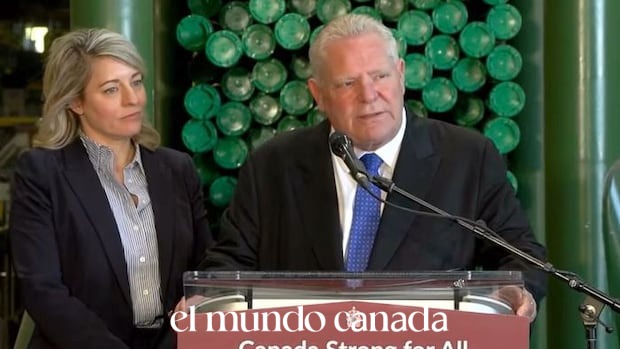
Ontario Premier Doug Ford has launched a scathing attack on a recent court decision that prevents the Region of Waterloo from dismantling a homeless encampment in Kitchener. The Kitchener encampment ruling has ignited fierce debate about housing rights, municipal authority, and the ongoing homelessness crisis gripping Canadian cities.
Ford described the judicial decision as the “most ridiculous ruling” he has ever witnessed, signaling a deepening conflict between provincial leadership and the courts over how to address encampments across Ontario.
What the Court Decision Means for Kitchener
A judge recently issued an injunction barring regional authorities from clearing the encampment, citing insufficient alternative housing options for residents living in the makeshift community. The ruling effectively halts any immediate enforcement action against those occupying the site.
The decision follows a legal challenge brought on behalf of encampment residents who argued that forced removal without adequate shelter alternatives would violate their constitutional rights. The court agreed, determining that the region had not demonstrated it could provide suitable accommodations for displaced individuals.
Regional officials had planned to clear the encampment as part of broader efforts to address public safety concerns and complaints from nearby residents and businesses. The injunction now leaves those plans in limbo indefinitely.
Premier Ford’s Strong Reaction
Speaking to reporters, Premier Ford expressed deep frustration with the court’s decision. He characterized the ruling as an obstruction to municipal efforts aimed at maintaining public order and safety.
“This is the most ridiculous ruling I think I’ve ever seen,” Ford stated, emphasizing his belief that judges should not interfere with local government efforts to manage public spaces.
The Premier argued that encampments create unsafe conditions for both residents living within them and surrounding communities. He pointed to concerns about fire hazards, sanitation issues, and criminal activity as justifications for clearing such sites.
Ford also suggested the ruling sets a dangerous precedent that could hamper municipalities across Ontario from taking action on similar encampments. He called on the federal government to provide more funding and support for housing initiatives.
Regional Response and Next Steps
The Region of Waterloo has expressed disappointment with the court’s decision while indicating it will review all available legal options. Regional Chair Karen Redman acknowledged the complexity of the situation and the need to balance competing interests.
Local officials emphasized their commitment to finding long-term solutions to homelessness rather than simply displacing vulnerable populations. However, they also noted the strain that encampments place on municipal resources and infrastructure.
The region has been working to expand shelter capacity and supportive housing options, though demand continues to outpace available resources. Waiting lists for affordable housing in Waterloo Region stretch for years, leaving many without viable alternatives to street living.
Social service agencies in the area have urged all levels of government to increase investments in permanent supportive housing rather than focusing solely on encampment enforcement.
The Broader Homelessness Crisis Context
The Kitchener encampment ruling reflects a nationwide struggle with rising homelessness rates. Cities across Canada have seen encampment populations grow dramatically in recent years, driven by soaring housing costs, insufficient mental health services, and economic pressures.
Similar legal battles have unfolded in other Ontario municipalities, including Toronto, Hamilton, and Waterloo. Courts have increasingly recognized that displacing homeless individuals without providing alternatives may constitute a violation of Charter rights.
Advocacy groups have welcomed the Kitchener decision as a victory for human dignity. They argue that criminalization and forced removals fail to address the root causes of homelessness and often push vulnerable people into more dangerous situations.
However, critics contend that court interventions tie the hands of local governments trying to respond to legitimate community concerns. Business owners near encampments have reported decreased foot traffic, property damage, and safety incidents.
Political Implications and Public Opinion
The Premier’s comments have drawn mixed reactions across the political spectrum. Some applaud his direct approach and willingness to challenge judicial decisions they view as overreach. Others accuse Ford of scapegoating vulnerable populations and deflecting from provincial responsibility for housing and social services.
Opposition parties have called on the provincial government to increase funding for affordable housing construction and mental health supports rather than criticizing court rulings. They argue that adequate investment would reduce encampment populations naturally.
Public opinion on encampment enforcement remains divided. Polls suggest many Ontarians support compassionate approaches that prioritize housing solutions, while others express frustration with encampments in public spaces.
The issue could become a significant talking point in future elections as housing affordability continues dominating political discourse across Canada.
What Happens Next in Kitchener
For now, the encampment remains in place while legal proceedings continue. The Region of Waterloo must decide whether to appeal the ruling or pursue alternative strategies for addressing the site.
Regional staff have indicated they will continue outreach efforts to connect encampment residents with available services and housing opportunities. However, without significant expansion of housing stock, meaningful progress remains challenging.
Community organizations working with homeless populations have called for collaborative approaches that involve people with lived experience in developing solutions. They stress that enforcement-focused strategies have repeatedly failed to reduce homelessness rates.
The Kitchener encampment ruling now stands as a test case that could influence how other Ontario municipalities approach similar situations. Its outcome may shape policy and legal precedent for years to come.
Key Takeaways
The clash between Premier Ford and the judiciary over the Kitchener encampment ruling highlights the profound tensions surrounding homelessness policy in Ontario. As courts increasingly weigh constitutional rights against municipal enforcement powers, governments at all levels face mounting pressure to deliver meaningful housing solutions. Residents, advocates, and officials must continue pushing for collaborative approaches that address root causes while respecting human dignity.
