


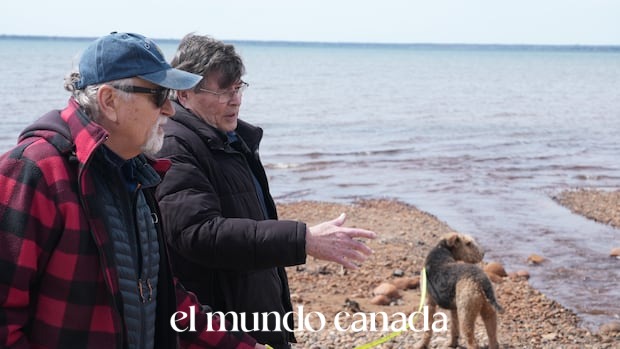
Residents near the Sault Ste. Marie Airport in Ontario are grappling with a disturbing reality: PFAS contamination has seeped into their private wells, raising urgent health concerns for current and future generations. These so-called forever chemicals have left Canadian families questioning the safety of their drinking water and the long-term impacts on their community.
The contamination, linked to decades of firefighting foam use at the airport, has thrust this Northern Ontario community into the national spotlight. As awareness of PFAS health risks grows across Canada, affected residents demand answers and accountability from government agencies responsible for protecting public health.
What Are PFAS and Why Are They Called Forever Chemicals?
Per- and polyfluoroalkyl substances (PFAS) represent a group of over 4,700 synthetic chemicals used in countless industrial and consumer applications since the 1940s. Manufacturers prize these compounds for their resistance to heat, water, and oil.
The nickname forever chemicals stems from their extraordinary persistence. PFAS do not break down naturally in the environment or the human body. Once released, they accumulate in soil, groundwater, and living organisms for decades or even centuries.
Common sources of PFAS contamination include:
- Aqueous film-forming foam (AFFF) used in firefighting
- Non-stick cookware coatings
- Water-resistant clothing and fabrics
- Food packaging materials
- Industrial manufacturing processes
Sault Ste. Marie Airport: Ground Zero for Contamination
The Sault Ste. Marie Airport has used PFAS-containing firefighting foam for decades, following standard aviation safety protocols. However, this routine practice created an environmental crisis that residents are only now fully understanding.
When firefighting foam containing PFAS contacts the ground, these chemicals migrate through soil and eventually reach groundwater supplies. Homes surrounding the airport rely on private wells, making them particularly vulnerable to this underground contamination plume.
Testing has confirmed elevated PFAS levels in multiple residential wells near the airport property. Some readings have exceeded Health Canada’s guidelines for safe drinking water, prompting authorities to provide alternative water supplies to affected households.
Health Concerns Driving Community Fear
Scientific research has linked PFAS exposure to numerous serious health conditions. Residents near the Sault Ste. Marie Airport now worry about their families’ long-term wellbeing based on growing evidence connecting these chemicals to various diseases.
Documented health risks associated with PFAS exposure include:
- Increased cholesterol levels
- Thyroid disease
- Kidney and testicular cancers
- Reproductive problems and developmental delays
- Weakened immune system response
- Liver damage
Parents in the affected area express particular concern about children’s exposure. Because PFAS accumulate in the body over time, early childhood exposure could lead to health consequences that manifest years or decades later.
“We’re not just worried about ourselves,” one resident told reporters. “We’re terrified about what this means for our kids and grandkids.”
Government Response and Remediation Efforts
Federal and provincial authorities have initiated several measures to address the contamination crisis in Sault Ste. Marie. Transport Canada, which oversees airport operations, has acknowledged responsibility for investigating the contamination extent and implementing solutions.
Current response efforts include:
- Comprehensive groundwater testing to map the contamination plume
- Provision of bottled water and water filtration systems to affected homes
- Soil sampling and environmental assessments
- Community information sessions and health consultations
However, many residents feel these measures fall short. They argue that temporary solutions like bottled water fail to address the fundamental problem of contaminated land and groundwater. Some community members have called for permanent connections to municipal water systems.
The cleanup challenges are significant. No cost-effective technology currently exists to remove PFAS completely from contaminated groundwater. Remediation efforts at similar sites across North America have cost millions of dollars and taken years to complete.
A Growing National Crisis
The Sault Ste. Marie situation reflects a broader pattern of PFAS contamination across Canada. Military bases, airports, and industrial facilities throughout the country have used these chemicals, creating potential contamination hotspots in numerous communities.
Recent investigations have identified PFAS contamination at:
- Canadian Forces bases in multiple provinces
- Commercial airports across the country
- Industrial sites and manufacturing facilities
- Municipal landfills receiving consumer products
Environmental advocates argue that Canada lacks comprehensive regulations specifically targeting PFAS. While Health Canada has established guidelines for drinking water, critics contend these standards remain insufficiently protective and that enforcement mechanisms are weak.
What Affected Residents Can Do
Families concerned about PFAS exposure in their drinking water have several options for protecting themselves. While systemic solutions require government action, individual households can take immediate steps.
Recommended actions include:
- Request water testing from local health authorities
- Install activated carbon filtration systems certified for PFAS removal
- Use reverse osmosis systems for drinking and cooking water
- Participate in community advocacy efforts
- Document health concerns and exposure history
- Consult healthcare providers about potential PFAS-related health monitoring
Residents should also stay informed about developments in PFAS research and regulation. Scientific understanding of these chemicals continues to evolve, and new treatment technologies may emerge.
Looking Toward an Uncertain Future
The families living near Sault Ste. Marie Airport face a prolonged battle for clean water and peace of mind. Their experience highlights the hidden environmental costs of industrial practices that prioritized convenience over long-term safety.
As Canada confronts its PFAS contamination legacy, the Sault community’s struggle may catalyze stronger protections nationwide. Residents hope their advocacy will spare future generations from similar fears about the water flowing from their taps.
