


A Riveting Exploration of Guilt and Responsibility
The Fjord movie review Cannes conversation has officially begun, and Romanian auteur Cristian Mungiu delivers another masterclass in ethical storytelling. His latest film, “Fjord,” premiered at the 2025 Cannes Film Festival, featuring powerhouse performances from Sebastian Stan and Renate Reinsve that anchor this morally complex narrative.
Mungiu, the Palme d’Or-winning director behind “4 Months, 3 Weeks and 2 Days,” returns to the Croisette with a film that refuses easy answers. Instead, he constructs a meticulous examination of human responsibility that will leave audiences questioning their own moral compass long after the credits roll.
The Plot: A Vacation Turned Nightmare
“Fjord” centers on an American couple, portrayed by Stan and Reinsve, whose idyllic Norwegian getaway transforms into an ethical minefield. The premise sounds deceptively simple: tourists witness something troubling during their vacation, and their response—or lack thereof—sets off a chain of consequences.
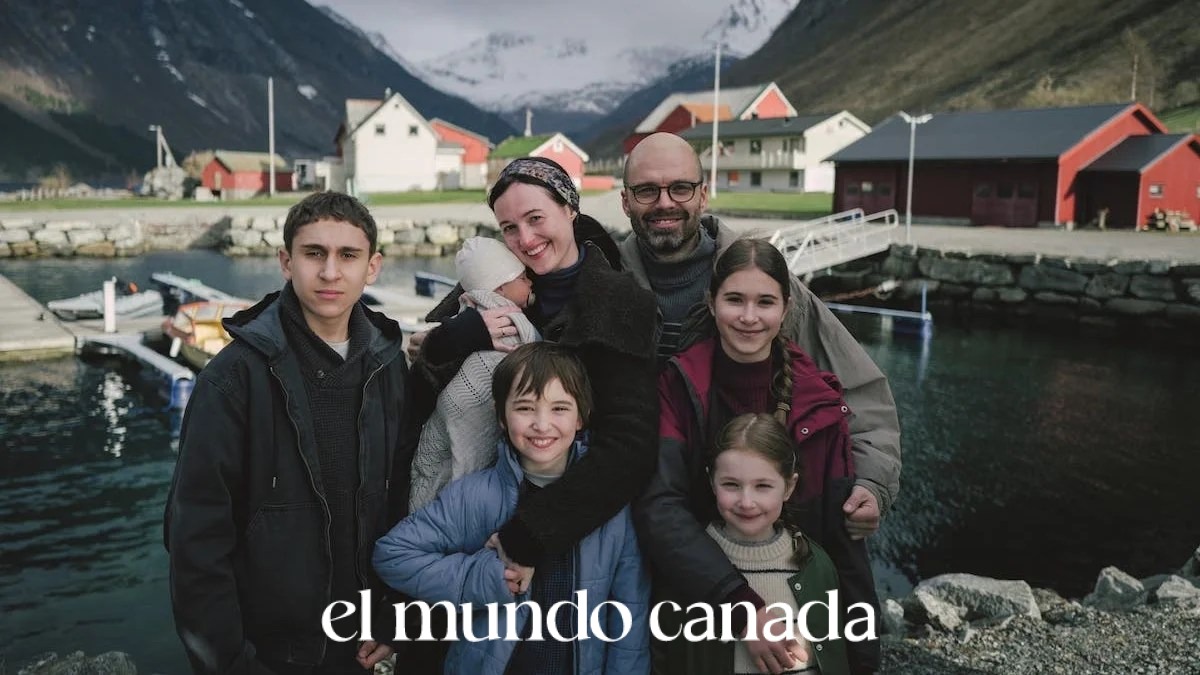
Mungiu builds tension through restraint rather than spectacle. The stunning Norwegian fjord landscape serves as more than mere backdrop; it becomes a character itself, its vast indifference mirroring the moral isolation the protagonists experience.
The director employs his signature long takes and observational style to trap viewers alongside the characters. Every decision feels weighted, every moment of hesitation amplified by Mungiu’s unflinching camera.
Sebastian Stan Delivers Career-Best Work
Sebastian Stan, known globally for his Marvel Cinematic Universe role as Bucky Barnes, continues his impressive pivot toward prestige cinema. Following his acclaimed performance in “The Apprentice,” Stan demonstrates remarkable range in “Fjord.”
His character grapples with the tension between self-preservation and moral duty. Stan communicates this internal conflict through subtle physical choices—a tightened jaw, averted eyes, hands that never quite settle. The performance feels lived-in and achingly real.
Critics at Cannes have noted Stan’s chemistry with Reinsve, which adds another dimension to the film’s exploration of how crisis tests relationships. Their characters don’t simply face an external threat; they must confront who they truly are when comfort and conscience collide.
Renate Reinsve Brings Emotional Complexity
Norwegian actress Renate Reinsve, who won Best Actress at Cannes in 2021 for “The Worst Person in the World,” proves that triumph was no fluke. Her performance in “Fjord” showcases an actress operating at the peak of her abilities.
Reinsve portrays a woman whose surface composure masks deeper turmoil. She brings intelligence and unpredictability to every scene, keeping audiences uncertain about which direction her character might turn.
The casting choice feels particularly inspired. Having a Norwegian actress navigate her home country’s landscape while playing an American creates subtle layers of displacement and alienation that enrich the narrative.
Mungiu’s Signature Style: Ethics Under the Microscope
Cristian Mungiu has built his career examining how ordinary people respond to extraordinary moral pressure. From illegal abortion in communist Romania to religious extremism, his films force viewers to consider uncomfortable questions about complicity and courage.
“Fjord” continues this tradition while expanding Mungiu’s geographical and thematic scope. Working outside Romania for the first time in a major production, the director proves his concerns transcend national boundaries.
The film asks pointed questions relevant to our current moment: What do we owe strangers? When does non-intervention become active harm? How do privilege and tourism intersect with responsibility?
Mungiu refuses to moralize or provide comfortable resolutions. Instead, he trusts his audience to wrestle with the same dilemmas his characters face.
Technical Mastery and Visual Storytelling
Cinematographer Tudor Vladimir Panduru captures Norway’s dramatic landscapes with breathtaking precision. The contrast between natural beauty and human ugliness creates a visual tension that mirrors the screenplay’s thematic concerns.
Sound design plays an equally crucial role. Moments of silence feel oppressive, while ambient noise—water, wind, distant voices—creates an atmosphere of constant unease.
The pacing may challenge viewers accustomed to Hollywood rhythms. Mungiu demands patience, allowing scenes to breathe and accumulate meaning. Those willing to surrender to his tempo will find the experience rewarding.
Early Festival Reception and Oscar Buzz
Initial reactions from Cannes suggest “Fjord” will factor prominently into awards season conversations. The combination of A-list talent, an acclaimed director, and timely themes positions the film as a serious contender.
Sebastian Stan’s performance has generated particular enthusiasm, with some critics suggesting potential Oscar recognition. His transformation from superhero franchise player to prestige drama lead appears complete.
The film also raises Mungiu’s international profile. While celebrated among cinephiles, mainstream audiences may discover his work through “Fjord’s” star power.
What Fjord Means for Modern Cinema
In an era dominated by franchise filmmaking and algorithm-driven content, “Fjord” represents a different model. It’s a film that respects audience intelligence, embraces ambiguity, and prioritizes artistic vision over commercial calculation.
Mungiu joins a tradition of European directors using genre frameworks—in this case, the vacation thriller—to explore deeper philosophical territory. The result feels both accessible and challenging, entertaining and thought-provoking.
Final Verdict: Essential Viewing for Serious Film Fans
“Fjord” confirms Cristian Mungiu’s status as one of cinema’s most important moral voices. Sebastian Stan and Renate Reinsve deliver performances that demand attention, while the director’s uncompromising vision creates a film that lingers in the mind long after viewing.
