


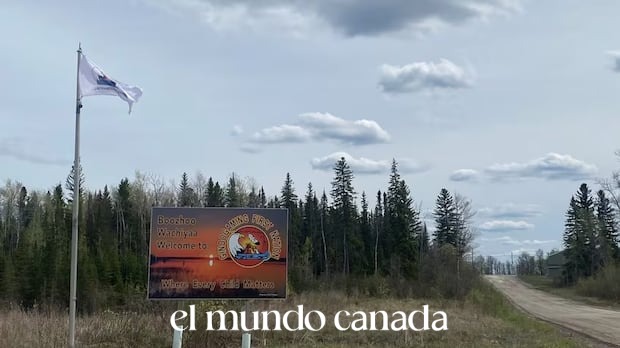
Two First Nations communities in northwestern Ontario have taken the unprecedented step of declaring a joint state of emergency as they battle a devastating drug trafficking crisis threatening their members’ lives and safety.
Ginoogaming First Nation and Long Lake #58 First Nation announced the emergency declaration on Monday, citing an alarming surge in illegal drug activity that has overwhelmed their limited resources. This First Nations drug crisis in Ontario highlights the ongoing struggles remote Indigenous communities face when confronting substance abuse and organized trafficking networks.
Why Two Communities United Against Drug Trafficking
The neighboring First Nations, located approximately 300 kilometers northeast of Thunder Bay, decided to combine their efforts after recognizing that drug traffickers were exploiting both communities simultaneously.
Chief Isaac Baxter of Ginoogaming First Nation explained that dealers have been targeting their remote location, knowing that law enforcement presence remains minimal in these areas. The communities share geographic proximity and family connections, making a coordinated response essential.
Long Lake #58 First Nation Chief Veronica Waboose emphasized that this joint declaration sends a powerful message. Both communities refuse to allow outside criminal elements to destroy their people and their way of life.
The Scope of the Crisis
The drug trafficking emergency has created multiple cascading problems within both First Nations. Community leaders report seeing:
- Increased overdose incidents requiring emergency medical intervention
- Rising violence associated with drug debts and territorial disputes
- Family breakdown as addiction tears apart households
- Youth becoming targets for recruitment by trafficking networks
- Elders feeling unsafe in their own communities
The crisis has strained already limited healthcare resources in these remote regions. Both communities lack adequate addiction treatment facilities, forcing members to travel hundreds of kilometers for help—if they can access transportation at all.
Substance abuse in remote First Nations communities often involves multiple drugs, including opioids, methamphetamine, and cocaine. The isolation that once protected these communities now works against them, as traffickers exploit the lack of police presence and limited road access.
Emergency Measures Being Implemented
With the joint state of emergency now in effect, both First Nations have begun implementing several immediate measures to protect their members.
Increased Security Presence
Community safety officers have increased patrols, particularly monitoring the single access roads leading into both reserves. Leaders have requested additional support from the Nishnawbe Aski Police Service, which provides law enforcement to many remote First Nations in the region.
Community Checkpoints
Both nations have established checkpoints at entry points to their territories. While respecting legal rights of passage, these checkpoints aim to deter known traffickers and document suspicious activity.
Support for Affected Families
Emergency funding requests have been submitted to Indigenous Services Canada to provide immediate support for families dealing with addiction. This includes emergency housing for those fleeing violent situations related to drug activity.
Calls for Government Action
The joint emergency declaration includes urgent requests to both federal and provincial governments for meaningful intervention and long-term support.
Federal Response Needed
Community leaders are calling on Indigenous Services Canada to provide emergency funding for addiction treatment programs that can operate within the communities. They argue that sending members to distant treatment centers often fails because it removes people from their support networks.
The First Nations also want the federal government to address the systemic underfunding of Indigenous policing that leaves communities vulnerable to criminal exploitation.
Provincial Responsibilities
Ontario’s provincial government faces calls to improve road infrastructure and communication systems that would help communities respond more effectively to emergencies. Leaders also want the province to fund mobile addiction treatment units that could serve multiple remote communities.
Historical Context of Indigenous Drug Crises
This emergency declaration reflects a broader pattern of substance abuse crises affecting First Nations communities across Canada. Decades of systemic neglect, intergenerational trauma from residential schools, and chronic underfunding of Indigenous services have created conditions where addiction thrives.
Remote communities face particular challenges because:
- Geographic isolation limits access to treatment options
- Economic opportunities remain scarce, contributing to despair
- Healthcare services operate far below the standards available in urban areas
- Cultural disconnection has weakened traditional support systems
However, many communities have found success through culturally-based healing programs that reconnect members with traditional practices, languages, and land-based activities.
Community Resilience and Hope
Despite the severity of the crisis, leaders from both Ginoogaming and Long Lake #58 First Nations express determination to overcome these challenges.
Elders in both communities have stepped forward to support healing efforts, offering traditional ceremonies and counseling to those struggling with addiction. Youth programs aim to provide alternatives to drug involvement by connecting young people with cultural teachings and employment opportunities.
The joint emergency declaration itself represents a form of resilience—two nations recognizing that collaboration strengthens their response. This model could inspire other neighboring First Nations facing similar challenges to coordinate their efforts.
Community members have organized support groups for families affected by addiction, breaking the silence and stigma that often surrounds substance abuse in small, close-knit communities.
What Happens Next
The state of emergency will remain in effect until community leaders determine the crisis has stabilized. Both First Nations plan to provide regular updates to their members and to government partners.
Immediate next steps include:
- Meetings with Nishnawbe Aski Nation leadership for regional support
- Negotiations with Indigenous Services Canada for emergency funding
- Development of a joint community safety plan
- Establishment of addiction support services within both territories
Leaders acknowledge that addressing this crisis will require sustained effort over months and years, not just emergency measures.
The joint state of emergency declared by Ginoogaming First Nation and Long Lake #58 First Nation underscores the urgent need for comprehensive action on the First Nations drug crisis in Ontario. These communities demonstrate both vulnerability and strength—vulnerability to external criminal threats and internal health emergencies, but strength in their willingness to unite and fight back. Addressing this crisis requires immediate government response and long-term commitment to Indigenous self-determination in health and safety matters.
