


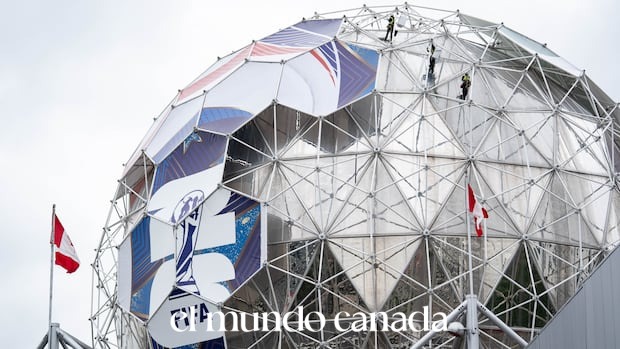
The FIFA World Cup Vancouver 2026 kicks off in just weeks, yet British Columbia’s tourism and hospitality sectors face an unexpected challenge: uncertain demand. While host cities typically anticipate an economic windfall from the world’s largest sporting event, businesses in Vancouver report sluggish bookings and tepid interest that contradict the usual World Cup fever.
With matches set to begin on June 14, 2026, the clock is ticking for hotels, restaurants, and tour operators hoping to capitalize on the tournament. However, industry insiders suggest the anticipated gold rush may turn into an economic red card if current trends persist.
Hotel Bookings Tell a Surprising Story
Vacancy Rates Defy Expectations
Hotels across Metro Vancouver are experiencing an unusual predicament. Despite hosting seven World Cup matches, including a semifinal, accommodation providers report booking rates that fall short of projections.
Ingrid Jarrett, president and CEO of the BC Hotel Association, told reporters that members expected a massive surge by now. Instead, many properties still have significant availability during tournament dates. This contradicts the typical pattern seen in previous World Cup host cities, where rooms sold out months in advance.
The situation has puzzled industry analysts. Vancouver’s reputation as a world-class destination, combined with the prestige of hosting FIFA 2026 matches, should theoretically drive unprecedented demand.
Contributing Factors to Low Demand
Several factors may explain the underwhelming response. World Cup ticket prices have drawn criticism from fans worldwide, with some arguing that costs have priced out average supporters. Additionally, the tournament’s sprawling format across three countries—Canada, the United States, and Mexico—means fan attention is divided among 16 host cities.
Currency exchange rates also play a role. The Canadian dollar’s fluctuations against major currencies may discourage international visitors from committing to expensive travel plans.
Restaurant and Hospitality Sectors Brace for Uncertainty
Mixed Signals from Food Service Industry
Vancouver’s renowned restaurant scene anticipated a boom during the tournament. However, reservations for the June-July period remain inconsistent. Some establishments near BC Place, the primary venue, report strong early interest, while others further from the action see little change from typical summer patterns.
Industry representatives emphasize that World Cup economic impact often concentrates heavily around stadium areas. Businesses located even a few kilometers away may not experience the spillover effect initially promised by tournament boosters.
Labor and Supply Chain Concerns
Restaurant operators face additional challenges beyond uncertain demand. Staffing shortages that plagued the industry post-pandemic persist, potentially limiting capacity during peak tournament periods. Supply chain considerations also complicate planning, as businesses hesitate to over-order inventory for crowds that may not materialize.
Tourism Operators Adopt Wait-and-See Approach
Tour Companies Adjust Strategies
Vancouver’s tourism operators have scaled back their World Cup-specific offerings amid cautious market signals. Several companies that developed FIFA fan experience packages report modest uptake compared to initial projections.
Some operators now focus on flexibility, offering last-minute booking options rather than advance packages. This approach acknowledges the reality that many fans may make spontaneous travel decisions based on their team’s tournament progression.
International Visitor Patterns
Data from tourism authorities suggests international arrivals for the tournament period remain below forecasts. While domestic Canadian fans show steady interest, the crucial international market—particularly from Europe and South America—has not materialized as expected.
Travel experts point to competition from American host cities, which may offer more convenient logistics for overseas visitors. Cities like Los Angeles, Miami, and New York possess established international airport connections that Vancouver cannot match.
Economic Projections Face Scrutiny
Government Investment Under Review
British Columbia invested significant public funds in World Cup 2026 preparations, including infrastructure upgrades and promotional campaigns. Provincial officials maintain confidence in long-term returns, arguing that global exposure will benefit Vancouver’s tourism brand for years.
However, critics question whether immediate economic impact will justify expenditures. The discrepancy between projected and actual demand raises concerns about the accuracy of initial feasibility studies.
Comparison with Previous Host Cities
Historical data from previous World Cup hosts shows mixed results. While some cities experienced transformative economic benefits, others struggled to recoup investments. The expanded 48-team format debuts in 2026, making direct comparisons with earlier tournaments difficult.
Economists note that mega-event hosting often produces inflated projections that fail to materialize. The Vancouver World Cup experience may ultimately provide valuable data for future host city evaluations.
What This Means for Fans and Visitors
Opportunities for Last-Minute Travelers
The softer-than-expected demand creates opportunities for fans considering last-minute trips. Hotel rates remain competitive, and availability exists for accommodations that would typically sell out months ahead.
Visitors planning to attend BC Place World Cup matches should still book accommodations promptly, as conditions could shift rapidly once tournament excitement builds. The opening weeks may see increased demand as the event generates global media coverage.
Local Recommendations
Fans arriving in Vancouver will find a city well-prepared for visitors, regardless of booking pace. Public transit improvements, enhanced wayfinding signage, and dedicated fan zones will operate at full capacity throughout the tournament.
The FIFA World Cup Vancouver 2026 arrives amid unusual uncertainty for British Columbia’s tourism and hospitality industries. While the tournament represents a historic opportunity for the region, current booking trends suggest the anticipated economic bonanza may prove more modest than projected. Industry stakeholders now watch closely as kickoff approaches, hoping that tournament fever will spark the demand surge they’ve awaited. For fans and visitors, the situation offers both caution and opportunity—a reminder that even the world’s biggest sporting event doesn’t guarantee predictable outcomes.
