


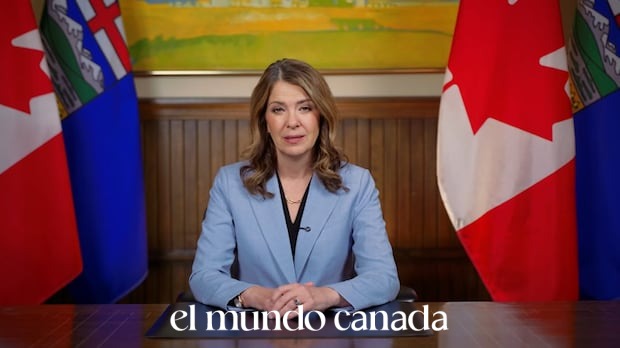
Alberta’s political landscape shifted dramatically as Premier Danielle Smith announced a referendum question that could reshape Canada’s confederation. The Alberta separation referendum proposal has ignited fierce debate across the province, prompting swift responses from political leaders on all sides of the aisle.
The announcement marks a historic moment in Canadian politics, as Alberta becomes the first province to formally pursue a public vote on its relationship with the federal government. As leaders prepare to address the public, Albertans find themselves at the center of a national conversation about provincial autonomy and national unity.
What the Referendum Question Means for Alberta
Premier Danielle Smith’s announcement outlined a referendum question that would ask Albertans whether the province should pursue greater independence from federal oversight. The exact wording carries significant implications for how voters interpret and respond to the ballot measure.
Political analysts note that referendum questions often determine outcomes based on their framing. The Smith government has crafted language that emphasizes provincial sovereignty while stopping short of outright separation from Canada.
The timing of this announcement coincides with ongoing tensions between Alberta and Ottawa over energy policy, environmental regulations, and transfer payments. These disputes have fueled separation sentiment among certain segments of the Alberta population for years.
Opposition Leaders Voice Concerns
Rachel Notley and other opposition figures wasted no time responding to the premier’s announcement. Critics argue the referendum represents a dangerous distraction from pressing issues facing everyday Albertans, including healthcare, education, and economic diversification.
The NDP opposition has characterized the move as political theater designed to shore up support among the United Conservative Party’s base rather than address substantive policy challenges. They point to polling data suggesting most Albertans prioritize economic stability over constitutional battles.
Federal leaders have also weighed in, with Ottawa expressing concern about the potential implications for national unity. The Prime Minister’s Office released a statement emphasizing Canada’s commitment to working with all provinces while respecting constitutional frameworks.
Understanding Alberta’s Separation Movement
The roots of Alberta’s separation movement extend back decades, gaining momentum during periods of economic tension with central Canada. The Western alienation sentiment has historically spiked when federal policies appeared to disadvantage Alberta’s resource-based economy.
Key factors driving current separation sentiment include:
- Carbon pricing policies perceived as harmful to Alberta’s oil and gas sector
- Disputes over pipeline approvals and energy transportation
- Concerns about equalization payments flowing to other provinces
- Frustration with federal environmental regulations
However, support for outright separation remains a minority position. Recent polls indicate that while many Albertans support greater provincial autonomy, fewer than 25% favor complete independence from Canada.
Economic Implications of the Vote
Economists have begun analyzing potential consequences of various referendum outcomes. A vote favoring greater autonomy could trigger significant economic uncertainty, affecting everything from investment decisions to interprovincial trade relationships.
Alberta’s economy remains deeply integrated with the rest of Canada. The province relies on federal infrastructure, trade agreements, and financial systems that would require complex renegotiation under any separation scenario.
Business leaders have expressed mixed reactions. Some resource sector executives welcome the prospect of reduced federal oversight, while others worry about market instability and investor confidence.
The energy sector, which drives much of Alberta’s economy, faces particular uncertainty. International markets and investors typically respond negatively to political instability, potentially affecting oil and gas development projects.
What Happens Next in the Referendum Process
The road from announcement to actual referendum involves multiple steps. Alberta must establish a timeline, finalize the question’s legal wording, and navigate potential constitutional challenges from Ottawa.
Legal experts suggest the federal government could challenge the referendum’s validity under Canadian constitutional law. The Clarity Act, passed following Quebec’s 1995 referendum, establishes federal requirements for any provincial separation vote.
Premier Smith has indicated her government will proceed regardless of federal objections, setting up a potential constitutional confrontation. The Alberta Sovereignty Act, passed in 2022, provides the provincial framework for challenging federal authority.
Albertans can expect extensive public debate in coming months as both sides mobilize supporters. Campaign organizations are already forming to advocate for and against the referendum question.
National Unity at a Crossroads
This referendum represents more than a provincial matter—it tests the bonds holding Canadian confederation together. Other provinces, particularly in Western Canada, watch closely as events unfold.
Saskatchewan and other resource-producing provinces have expressed similar frustrations with federal policies. A successful autonomy movement in Alberta could inspire parallel efforts elsewhere, fundamentally altering Canada’s political landscape.
Constitutional scholars emphasize that Canada’s federal system has always involved tension between provincial and national interests. The current situation, while serious, reflects ongoing negotiations rather than inevitable separation.
Looking Ahead: What Albertans Should Watch For
As this story develops, several key factors will shape the outcome. Watch for detailed polling data showing how Albertans actually feel about the specific referendum question. Pay attention to business community responses and economic indicators.
The reactions from other provincial premiers and federal party leaders will also influence public opinion. Finally, legal challenges and constitutional debates will determine whether this referendum proceeds as planned.
Albertans face a consequential decision that will echo through Canadian history. Regardless of personal positions on separation, informed engagement with this democratic process serves everyone’s interests.
