


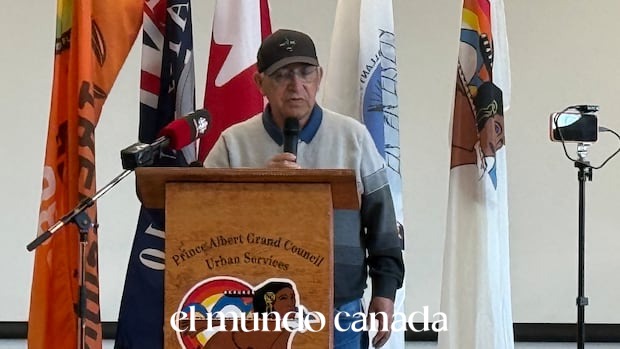
Community leaders in Pelican Narrows, Saskatchewan are issuing urgent pleas for government intervention as the remote First Nation grapples with a devastating violence crisis that has claimed multiple lives and left residents living in fear.
The Peter Ballantyne Cree Nation community, located approximately 400 kilometers northeast of Saskatoon, has experienced a troubling surge in drug-related violence and homicides. Local leadership says the situation has reached a breaking point, with existing resources completely overwhelmed by the scope of the emergency.
A Community Under Siege
Rising Homicide Rates Alarm Residents
Pelican Narrows has witnessed a disturbing pattern of violent incidents that far exceeds what this community of roughly 4,000 people should statistically experience. Leadership reports that drug trafficking and gang activity have infiltrated the once-peaceful northern community, bringing deadly consequences.
The violence has touched nearly every family in some way. Residents describe living with constant anxiety, afraid to let children play outside and reluctant to venture out after dark.
Chief Janet Johnstone of Peter Ballantyne Cree Nation has publicly called the situation an emergency requiring immediate outside assistance. The band council has been working tirelessly to address the crisis but lacks the resources to combat well-organized criminal elements.
Drug Trade Fueling the Violence
The root cause of the ongoing violence stems primarily from the illegal drug trade that has established a foothold in northern Saskatchewan communities. Crystal methamphetamine and other substances have flooded into Pelican Narrows, creating addiction crises and territorial disputes among dealers.
Experts note that remote Indigenous communities often become targets for drug trafficking organizations because of limited police presence and geographic isolation.
The economic desperation in many northern communities also creates conditions where drug trafficking becomes attractive to some residents seeking income. This complex web of factors makes addressing the crisis particularly challenging.
Leadership Demands Action
Calls for Increased Police Presence
Community leaders have specifically requested enhanced RCMP resources to help restore order in Pelican Narrows. Currently, the detachment serving the area operates with minimal staffing, making it impossible to adequately patrol or investigate the surge in violent crime.
Chief Johnstone emphasized that officers respond with dedication but simply cannot cover the vast territory effectively. The nearest major police resources are hours away, leaving the community vulnerable during critical moments.
Band leadership has also requested specialized units trained in combating organized drug trafficking operations. They argue that standard policing approaches have proven insufficient against sophisticated criminal networks.
Demands for Health and Social Services
Beyond policing, leaders are calling for mental health services, addiction treatment programs, and youth intervention initiatives. They recognize that enforcement alone cannot solve a crisis with deep social roots.
The community currently lacks adequate addiction treatment facilities, forcing residents to travel great distances for help—if beds are even available. Many who want recovery simply cannot access it.
Youth programming has also been identified as critical. Leaders want to give young people alternatives to gang involvement and drug use through education, employment, and cultural programming.
Government Response Under Scrutiny
Provincial and Federal Responsibilities
The crisis in Pelican Narrows highlights ongoing tensions regarding jurisdictional responsibilities for Indigenous community safety in Canada. Both provincial and federal governments have roles to play, but coordination often falls short.
Saskatchewan’s provincial government has acknowledged the situation but has not yet announced specific new resources for the community. Federal Indigenous Services Canada similarly faces questions about its response.
Leaders from Peter Ballantyne Cree Nation argue that bureaucratic delays cost lives. They want immediate action rather than prolonged study of problems that community members understand intimately.
Historical Context of Underfunding
The current crisis exists within a broader context of chronic underfunding of services in First Nations communities across Canada. Decades of inadequate investment in housing, education, healthcare, and economic development have created conditions where social problems flourish.
Experts in Indigenous affairs note that communities like Pelican Narrows often receive a fraction of the per-capita spending that non-Indigenous communities enjoy. This disparity has compounded over generations.
Addressing the immediate violence requires urgent action, but lasting solutions demand sustained investment in community infrastructure and services.
Community Resilience Amid Crisis
Local Efforts to Protect Residents
Despite overwhelming challenges, Pelican Narrows residents have organized their own responses to the violence. Community watch programs, elder-led interventions, and grassroots support networks have formed to fill gaps left by institutional failures.
Traditional governance structures within the Peter Ballantyne Cree Nation have mobilized to address the crisis. Cultural teachings and community solidarity provide some foundation for healing, even as violence continues.
Local leaders emphasize that the community possesses strength and wisdom—what they lack are material resources and external support to fully implement solutions they have already identified.
Path Forward Requires Partnership
Lasting resolution of the Pelican Narrows violence crisis will require genuine partnership between the community, provincial authorities, and the federal government. Leadership has made clear they want to lead the response but need adequate support to do so effectively.
The situation also demands accountability from all parties. Community members want to see measurable commitments, not vague promises that fade once media attention shifts elsewhere.
The crisis unfolding in Pelican Narrows represents both an urgent emergency and a symptom of systemic failures affecting many remote Indigenous communities across Canada. Leaders have clearly articulated what they need: enhanced policing, addiction services, mental health support, and sustained investment in community wellbeing. The question now is whether governments will respond with the urgency this life-and-death situation demands.
